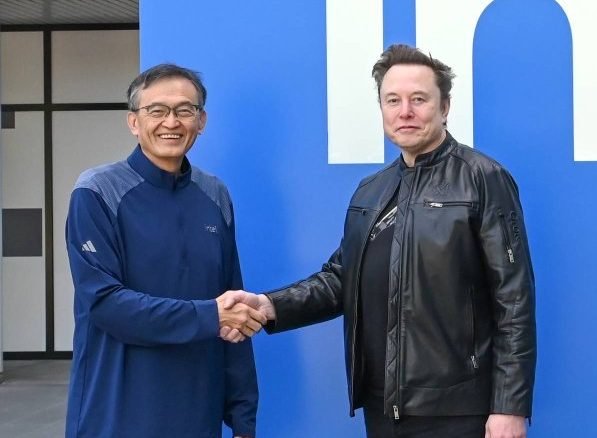
Intel Joins Forces with SpaceX and Tesla to Revolutionize Semiconductor Production in Texas
Revitalizing U.S.Chip Manufacturing for the Future
intel is embarking on a strategic partnership with SpaceX and Tesla to develop an advanced semiconductor fabrication facility in Texas. While Intel’s precise role remains confidential, this collaboration represents a major push toward strengthening domestic chip production amid surging global demand for semiconductors.
Pioneering High-Performance chip Fabrication capabilities
Intel recently underscored its proficiency in designing, manufacturing, and packaging ultra-high-performance chips at scale. This expertise will underpin Terafab’s enterprising objective of generating one terawatt (1 TW) of computing power annually-a critical milestone that could accelerate innovations across artificial intelligence, robotics, and other cutting-edge technologies.
The Strategic Vision Driving the Partnership
Earlier announcements from Elon Musk revealed plans for SpaceX and Tesla to co-develop specialized processors optimized for AI workloads,satellite communications,autonomous driving systems,and robotic applications. The goal is to create chips capable of managing immense computational loads while possibly enabling novel space-based data centers orbiting Earth.
The Complexity Behind Building Next-Generation Chip Fabs
Constructing state-of-the-art semiconductor fabs demands enormous capital-often exceeding $20 billion-and years of meticulous work assembling vast cleanroom environments filled with precision equipment that sculpts silicon wafers at nanometer resolutions. Given SpaceX’s and Tesla’s limited background in chip manufacturing infrastructure, skepticism has emerged about their ability to independently deliver such a sophisticated project.
Intel as the Foundry Anchor: Ensuring Project Viability
Intel’s involvement clarifies how this initiative can succeed by leveraging its decades-long experience as one of America’s leading silicon manufacturers. The company has been actively expanding its foundry services-producing chips designed by external clients-and now counts the combined SpaceX-Tesla venture among its key customers.
A Shift Toward Integrated Manufacturing Models?
While fabless companies like Nvidia and AMD have thrived by outsourcing production entirely overseas or through third parties, Intel continues investing heavily in owning domestic fabrication capabilities. This collaboration may signal renewed interest within the U.S. tech sector toward integrated design-and-manufacture approaches amid increasing geopolitical pressures disrupting global supply chains.
Investor Confidence Reflects Market Optimism
The proclamation sparked positive market reactions; Intel’s shares rose roughly 3% during trading hours following news coverage-reaching $52.28 per share mid-afternoon ET-indicating strong investor belief in Intel’s positioning within next-generation semiconductor manufacturing efforts.
“Our combined strengths will accelerate innovation across AI computing platforms,” stated an official from Intel regarding their role alongside Terafab.”
Navigating Uncertainties: What Lies Ahead?
No detailed timelines or specific technical contributions from each partner have been disclosed so far. Both Intel and SpaceX have remained tight-lipped about operational details beyond initial statements outlining their collaborative intent.
A Contemporary Example: Cross-Industry Collaboration Driving Technological Progress
This initiative mirrors ancient instances where partnerships between diverse industries propelled technological breakthroughs-for example,NASA teaming up with private aerospace companies during the commercial spaceflight surge reshaped access to orbit over recent decades.
- Tera-scale compute: Aiming for 1 terawatt per year capacity aligns with exponential growth demands seen across AI research institutions worldwide;
- Sustainability initiatives: Modern fabs increasingly integrate energy-efficient designs addressing environmental impact concerns;
- Diverse applications: Chips developed here target not only consumer electronics but also hardware supporting future Mars missions planned later this decade;
- Ecosystem benefits: Such projects stimulate local economies through job creation spanning engineering roles up to high-tech manufacturing positions;
- Simplifying supply chains: Domestic fabs reduce dependency on foreign suppliers amid ongoing geopolitical tensions affecting global technology sectors;
The Emerging Landscape of American Semiconductor Manufacturing
This alliance between industry leaders marks a pivotal moment for U.S. technological infrastructure development as it strives toward self-sufficiency amidst rapidly evolving digital frontiers-including artificial intelligence integration, robotics advancements-and extends into extraterrestrial exploration supported by powerful computational hardware produced domestically.