Visa Obstacles Challenge Iran’s Football Team Ahead of World Cup
training Setbacks Due to Visa Restrictions
The Iranian national football team is currently grappling with notable visa-related hurdles that are disrupting their preparation for the upcoming World Cup. The lack of US visas has limited their ability to train under conditions comparable to othre competing nations, as emphasized by Tehran’s diplomatic representatives in Mexico.
Shift in Training Location Amid Visa Delays
Originally, Iran intended to base its training camp in Tucson, Arizona.However, persistent visa complications with American authorities forced the team to relocate across the border to Tijuana, Mexico. This strategic move aims to secure a consistent and safe environment for practice despite ongoing logistical challenges.
Diplomatic Engagements at Training Site
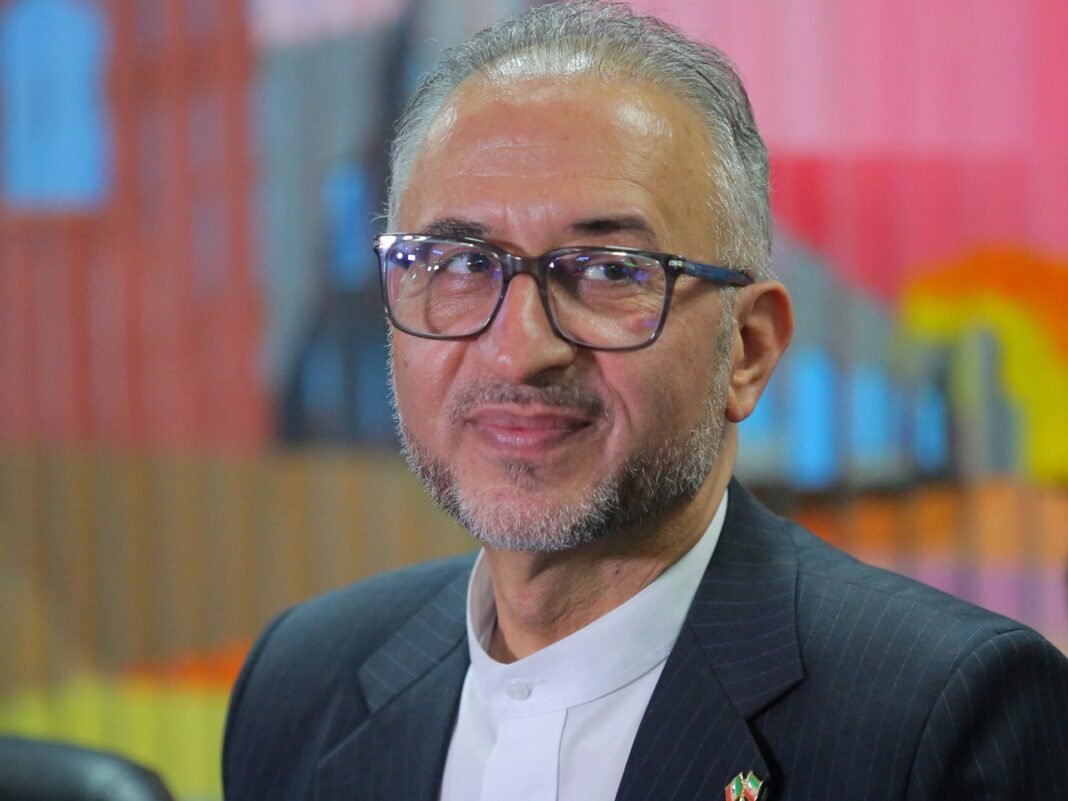
During a recent visit by Iranian officials at Club tijuana’s stadium-where the squad is now preparing-the diplomats met with local security and administrative personnel. These meetings highlight efforts by Iran’s delegation to ensure player safety and support while awaiting resolution on visa approvals.
The influence of Political Strains on Sports Participation
Abolfazl Pasandideh pointed out that escalating political tensions between Iran and Israel since late February have intensified difficulties in arranging equitable training opportunities. He described this predicament as creating an uneven competitive landscape where Iran faces disadvantages compared to other teams participating in the tournament.
Scheduled Group Stage Matches Across West Coast Venues
- June 15: Iran vs New Zealand – Los Angeles
- June 21: Iran vs Belgium – Los Angeles
- June 26: Iran vs Egypt – Seattle
The Iranian Football Federation remains optimistic about obtaining multiple-entry visas soon, which would grant players greater mobility throughout their stay in the United States during these critical group matches.
A Global Pattern: How Visa Issues Affect International Sporting Events
This situation exemplifies a broader trend where geopolitical conflicts increasingly interfere with international sports competitions. As an example, several teams faced similar bureaucratic obstacles during recent tournaments held across North America, impacting travel plans and preparation timelines significantly.
“We are not competing under equal conditions,” stated Pasandideh, highlighting how administrative barriers can translate into tangible competitive disadvantages on such a prestigious global stage.
An Overview of Similar Challenges Faced Worldwide
Nations have frequently had to adjust training locations or modify logistics at short notice due to delayed clearances or diplomatic disputes-demonstrating how off-field issues now play an influential role alongside athletic skill and strategy when determining performance outcomes.
Navigating Uncertainty: Preparing for Kickoff Amid Ongoing Challenges
The Iranian football delegation continues active discussions with US officials while striving to maintain rigorous training within existing constraints. The resolution of these visa matters will not only affect match preparedness but also shape perceptions regarding fairness toward politically sensitive participants within international sporting arenas hosting major events like the World Cup.