Iran Resumes Commercial Flights Amid Heightened Regional Unrest
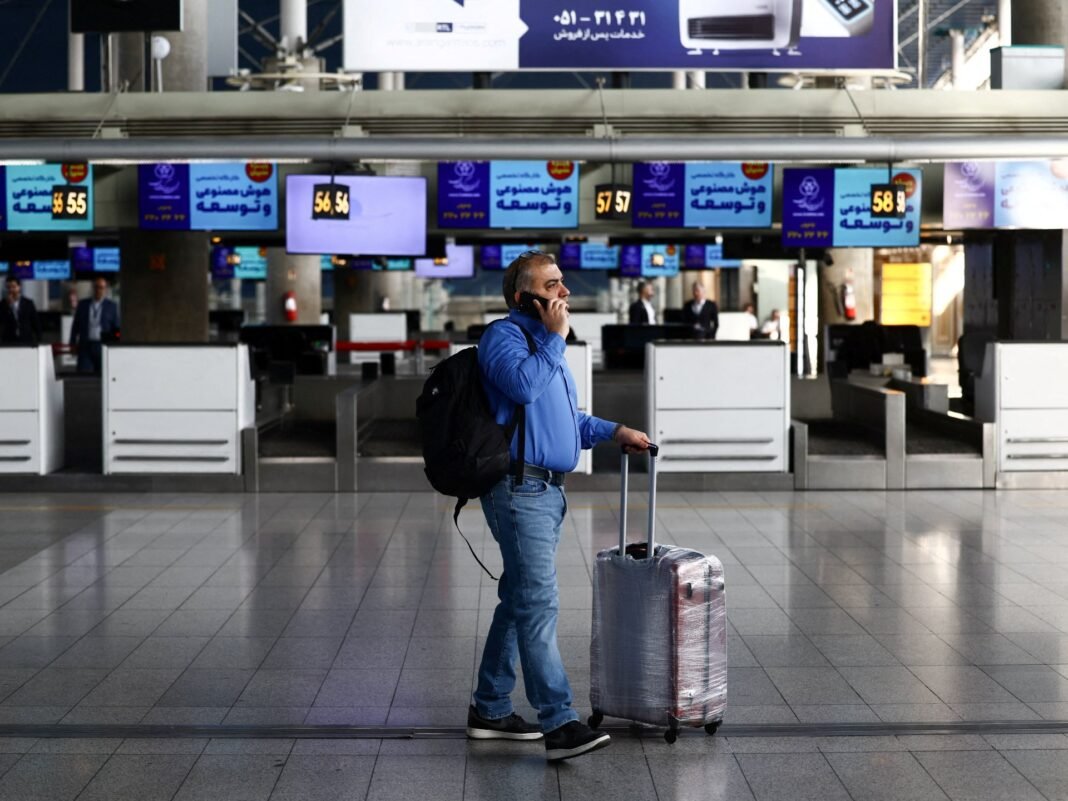
Following a two-month halt triggered by escalating tensions involving the US and Israel, iran has officially recommenced commercial air services from Tehran’s primary international gateway. This development represents a notable move toward stabilizing air travel within the volatile Middle Eastern corridor.
Reactivated Flight Paths and Strategic Network growth
The initial flights departing from Imam Khomeini International Airport resumed connections to key cities including Istanbul,Muscat,and Medina. Iran Air also reinstated its first post-suspension route to Mashhad, the nation’s second-largest urban centre. Additional destinations such as Baku, Najaf, Baghdad, and Doha are slated for reopening in the near future.
Mohammad Amirani, CEO of Iran Airports and Air Navigation Company, highlighted that eastern border provinces adjacent to Turkmenistan, Afghanistan, and Pakistan will be prioritized for enhanced domestic links and transit operations. Airports in Zahedan, Kerman, Yazd, Birjand alongside Mashhad are undergoing upgrades to serve as pivotal hubs managing increased passenger flows.
Reviving International Transit Amid Diplomatic Negotiations
Iranian authorities have engaged with foreign carriers aiming to restore disrupted transit routes caused by recent conflicts. These efforts align with ongoing diplomatic dialogues between Tehran and Washington under a tentative ceasefire framework. Meanwhile, peace talks continue in neighboring states as both parties seek pathways toward de-escalation.
the Ripple Effects of Conflict on Middle Eastern Aviation
The outbreak of hostilities severely impacted one of the globe’s busiest aviation corridors across the Middle East. Numerous countries were compelled to close their airspace temporarily or impose stringent restrictions on commercial flights following attacks that began in late February 2026.
This upheaval stranded tens of thousands of passengers worldwide who urgently sought repatriation amid scarce flight options. While several nations organized charter evacuation missions to alleviate pressure on travelers stranded abroad or domestically trapped by closures at major regional hubs-logistical challenges remained substantial throughout this period.
Gradual Airspace Reopenings Among Gulf Nations
- Qatar: Quickly reopened segments of its airspace days after initial strikes allowed limited commercial flights to resume operations safely.
- United Arab emirates: Followed closely behind by restoring partial flight schedules with cautious expansion over subsequent weeks balancing safety concerns against economic needs.
A Looming Jet Fuel Crisis Threatens Global Aviation Stability
The ongoing blockade at the Strait of Hormuz has escalated fears regarding jet fuel shortages worldwide-especially affecting Europe’s aviation sector which heavily depends on oil imports from Middle Eastern suppliers.
The European Union is actively pursuing alternative jet fuel sources from North America while considering regulatory mandates requiring airlines maintain minimum reserve levels amid growing concerns about supply chain vulnerabilities perhaps worsening rapidly.
“Europe may have only around six weeks’ worth of jet fuel remaining,” cautioned fatih Birol from the International Energy Agency earlier this month-underscoring an urgent threat that could trigger widespread flight cancellations if no swift remedies are found.”
Lufthansa’s Preemptive Flight Reductions Signal Industry Strain
Lufthansa Group revealed plans in April 2026 to slash approximately 20,000 short-haul flights through October due largely to soaring oil prices combined with anticipated jet fuel shortages linked directly to geopolitical instability near Iran. This decision highlights how regional conflicts can cascade into global transportation disruptions causing extensive economic repercussions beyond immediate borders.
A new Era for Iranian Aviation?
The restart of commercial airline operations reflects cautious optimism but simultaneously exposes persistent vulnerabilities faced by carriers operating within geopolitically unstable environments. As Iran pursues reintegration into international aviation markets-with expanded focus on domestic connectivity especially across eastern provinces-the broader industry remains vigilant about future developments tied closely with diplomatic progress or setbacks shaping regional stability moving forward.