France at a Political Crossroads: Is a Technocratic Government the Solution?
Understanding France’s Current Political instability
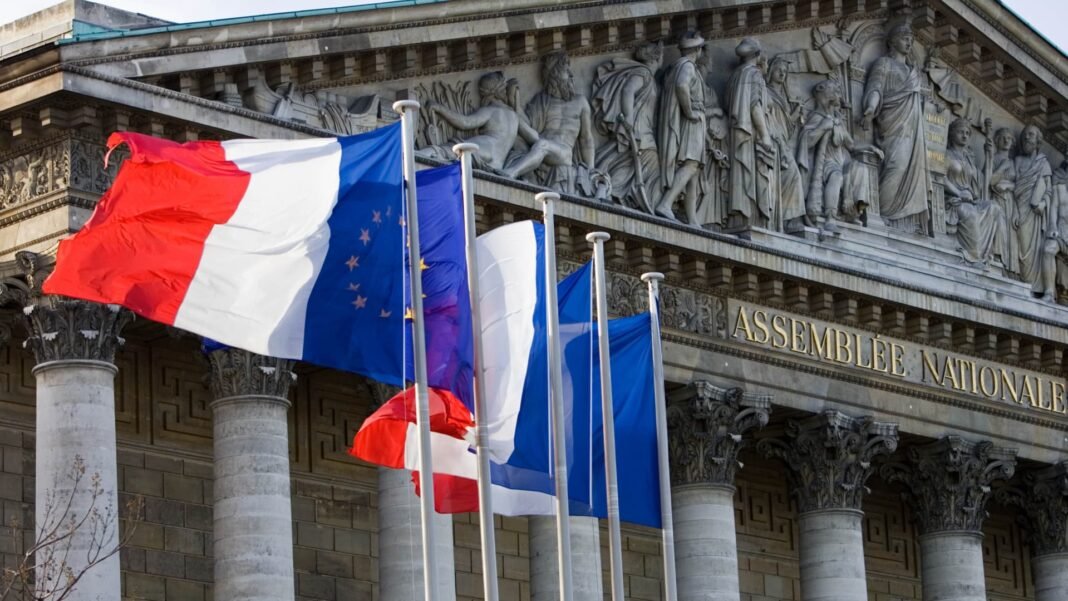
France is grappling with significant political unrest, drawing parallels too Italy as one of Europe’s most unstable governments. The country has witnessed an unprecedented turnover, cycling through five prime ministers in less than two years, underscoring the severity of its leadership crisis.
This persistent instability prompts a critical inquiry: could France benefit from adopting a technocratic government model akin to Italy’s strategy during periods of political deadlock?
the Quest for Stability Amid Parliamentary Gridlock
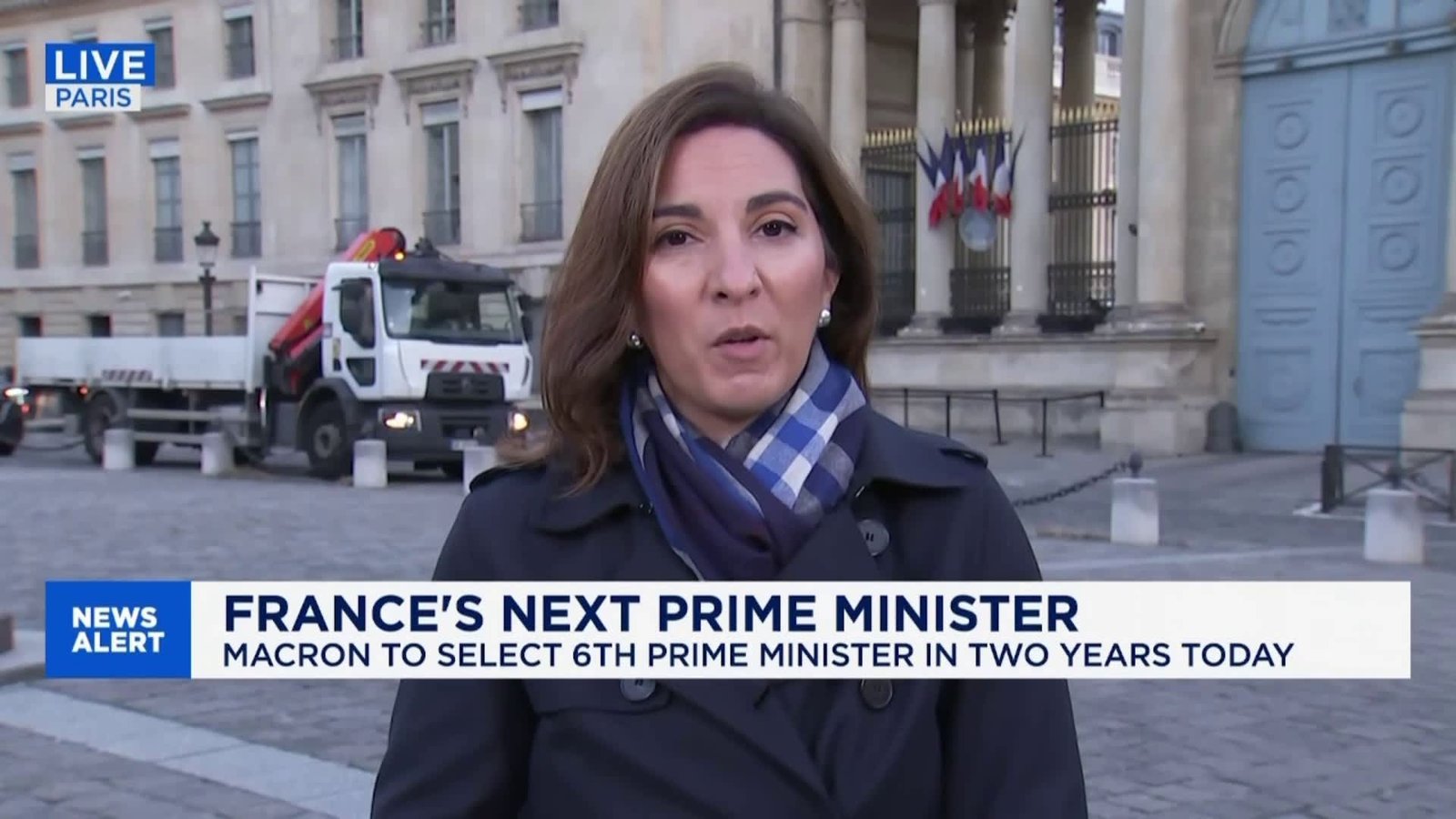
president Emmanuel Macron is on the verge of naming his next prime minister after intense negotiations led by outgoing Prime Minister Sebastien Lecornu. Over several days, lecornu engaged with multiple political factions in an effort to resolve the parliamentary stalemate.
On Wednesday evening, Lecornu remarked that “a majority of deputies oppose dissolving parliament,” signaling that “a foundation for stability exists.” He expressed confidence that the 2026 budget would be approved by December 31st adn confirmed that “the president will appoint a new prime minister within 48 hours based on this consensus.”
the Need for Impartial Leadership Focused on National Priorities
Lecornu emphasized that whoever assumes the premiership must be “entirely detached from any presidential ambitions for 2027.” Given the complexity of current challenges, he argued it is essential to have leaders dedicated solely to addressing national issues without electoral distractions until after next year’s presidential election.
Could France Draw Lessons from Italy’s Technocratic Governance?
Following his resignation, Lecornu lamented what he called “the resurgence of partisan interests” driven by maneuvering ahead of future elections.This environment fuels speculation about whether appointing a technocratic government-one led by experts rather than politicians-could provide much-needed respite.
A technocracy might halt France’s downward spiral and restore investor confidence shaken by ongoing instability. It could also serve as a temporary solution until either March 2026-when some advocate holding snap parliamentary elections alongside mayoral polls-or until the presidential vote scheduled for 2027.
The Italian Model: A Proven Approach During Crisis
Italy has frequently relied on technocrats as the early 1990s when traditional politics faltered. A notable example is Mario Draghi-a former central banker who served as prime minister leading an expert-driven administration aimed at stabilizing economic and political turmoil.
A similar figure often mentioned within French circles is François Villeroy de Galhau-the governor of Banque de France since 2015-who embodies this non-partisan expertise approach potentially suitable for navigating today’s challenges.
The Public Opinion Barrier Facing Technocracy in France
Despite its theoretical advantages, implementing a technocratic government faces considerable obstacles rooted in public sentiment. The French population remains highly politically engaged and values democratic representation deeply-a factor complicating acceptance of unelected experts wielding executive power.
This skepticism intensifies amid pressing fiscal challenges such as passing next year’s budget while striving to reduce France’s deficit toward the European Union target near 3% GDP. These decisions are inherently political and require broad societal support unlikely under purely technical governance models.
“The challenge lies not only in policy formulation but also in earning public trust-something no expert can guarantee alone.”
Navigating Forward: Merging Expertise with Democratic Values
- A blended approach: Some analysts propose integrating technocrats into coalition governments to combine technical proficiency with elected legitimacy.
- Civic transparency: Enhancing openness around difficult economic reforms may help bridge gaps between policymakers and citizens wary about authority vested solely in unelected officials.
- Tactical interim solutions: employing short-term expert-led administrations might stabilize governance temporarily without sidelining democratic processes before key elections occur.
An International Example: Germany’s Coalition Strategy Amid Crises
An instructive parallel comes from Germany where complex coalition negotiations frequently enough produce carefully balanced governments blending party interests with pragmatic policymaking expertise. This approach avoids abrupt shifts toward purely technocratic rule while maintaining democratic accountability during crises such as recent inflation spikes exceeding 10%% or energy transition challenges following pandemic disruptions.
The Path Ahead Remains Uncertain Yet Crucial for France
The upcoming weeks will determine whether President Macron opts for continuity through politically neutral leadership or persists with traditional partisan appointments despite mounting difficulties. What remains evident is that steering through these turbulent times demands both strategic insight and sensitivity toward public opinion if durable solutions are ever to take root across Europe’s evolving landscape.