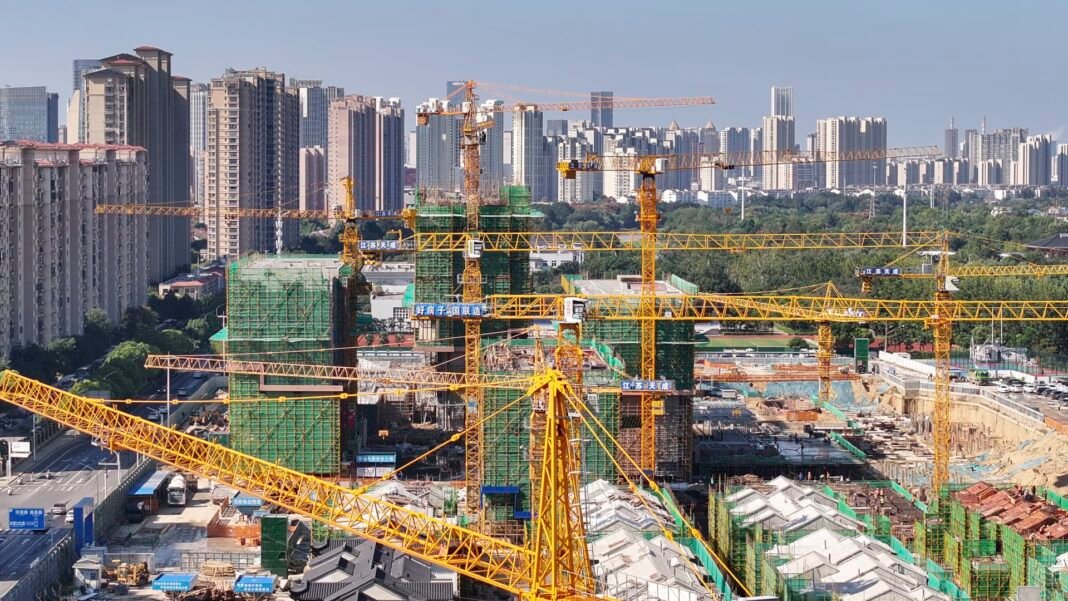
China’s Real Estate Sector Faces Extended Slump in 2025
Ongoing Downturn Marks Fifth Year of Decline
The Chinese real estate market is projected to contract more sharply than earlier estimates in 2025, continuing a downward trend for the fifth consecutive year. Recent forecasts from S&P Global Ratings indicate that new home sales may drop by nearly 8%, falling to a range between 8.8 trillion and 9 trillion yuan ($1.23 trillion to $1.26 trillion). This represents a significant worsening compared to the modest 3% decline predicted at the start of the year.
Buyer Hesitation Continues to Stall Market Revival
A key obstacle hindering recovery is persistent uncertainty among potential property buyers. Despite government efforts aimed at boosting demand, consumer confidence remains fragile, delaying any substantial rebound in sales activity. Experts stress that ongoing policy support will be crucial for rebuilding trust and stimulating market momentum.
Cautious Monetary Policy Limits Impact on Mortgages
This year’s monetary easing has been notably restrained: China’s five-year loan prime rate-the benchmark influencing most mortgage interest rates-was trimmed by onyl 10 basis points, contrasting with a more aggressive cut of 60 basis points last year.this measured approach reflects Beijing’s careful navigation amid continued real estate sector challenges.
Moreover,while some major cities have eased restrictions allowing multiple property ownership,these relaxations primarily target suburban districts rather than core urban hubs where demand pressures remain intense.
The Scale of Contraction: A Market Shrinking Rapidly
The downturn’s magnitude is stark: from peak sales reaching approximately 18.2 trillion yuan in 2021, transaction volumes are expected to halve within four years if current trends persist. Projections for next year include further declines with primary home prices forecasted to fall between 1.5% and 2.5%, alongside an anticipated sales drop approaching another 7%.
Project Delays Deepen Consumer Distrust
A significant factor undermining buyer confidence has been widespread delays in housing project completions as developers grapple with financial difficulties-a sharp departure from previous decades when pre-sale purchases were common and projects typically finished on time or ahead of schedule.
To combat stalled developments, authorities introduced initiatives such as a “whitelist” program designed to direct funds toward approved unfinished projects; however, inventory levels remain elevated with completed but unsold homes slightly increasing late last year.
Government Measures Seek Stability Amid Lingering Uncertainty
The chinese government continues it’s efforts to reassure buyers about resolving delivery issues; nevertheless, overall demand nationwide remains weaker than expected despite these interventions.
Recent months have seen gradual policy relaxations coupled with candid acknowledgments from senior officials regarding ongoing challenges within the property sector-signaling possible additional support measures as conditions evolve throughout the coming months.
A Transforming Developer Landscape Suggests Future Strength
S&P Global Ratings notes that even tho short-term prospects appear difficult-with leading developers reporting only slight growth-the long-term outlook may favor a leaner yet more resilient real estate industry better positioned for enduring expansion moving forward.
“Focusing on stabilizing demand within China’s largest metropolitan areas could lay groundwork for broader recovery,” industry analysts observe when reviewing recent developments.”