Understanding the UK’s Multifaceted Influence in the Horn of Africa: Diplomacy, Commerce, and Conflict Intertwined
UK’s Delicate Position amid Sudan’s Escalating Crisis
The violent clashes between Sudan’s national army and the Rapid Support Forces (RSF) have resulted in severe humanitarian consequences, drawing global concern. While the UK government publicly advocates for justice and an immediate cessation of hostilities,confidential reports suggest a more measured approach behind closed doors. Instead of endorsing robust intervention strategies to stop ongoing atrocities,London has favored cautious diplomacy as violence escalates.
This restrained posture has sparked debate among experts about whether Britain’s official declarations genuinely reflect its operational policies within Sudan and across the wider region.
Reconciling Strategic Goals with Public Diplomatic Messaging
Policy analyst Amgad Fareid Eltayeb from Sudan emphasizes that trustworthiness depends on aligning rhetoric with tangible actions. He cautions that when governments’ statements diverge from their conduct, they risk being perceived less as impartial peace brokers and more as self-interested players.
This issue gains complexity amid allegations linking United Arab Emirates (UAE) arms shipments to RSF forces-a claim denied by Abu Dhabi but documented by international investigators. Critics argue that Britain’s hesitance to adopt firmer measures indirectly facilitates these dynamics by diluting global condemnation of RSF abuses.
The Official UK Foreign office Stance
The British government asserts it is indeed actively working alongside international partners to promote ceasefires, enable humanitarian aid access, and support transitions toward civilian-led governance in Sudan.Still, evidence points toward a limited readiness to challenge influential regional actors implicated in perpetuating conflict.
Economic Engagements Amid Political Complexity: The Case of Somalia and Somaliland
In Somalia’s intricate political surroundings, London officially upholds Somalia’s sovereignty while simultaneously channeling meaningful investments into Somaliland-a self-declared independent territory lacking formal recognition from most nations including the UK itself.
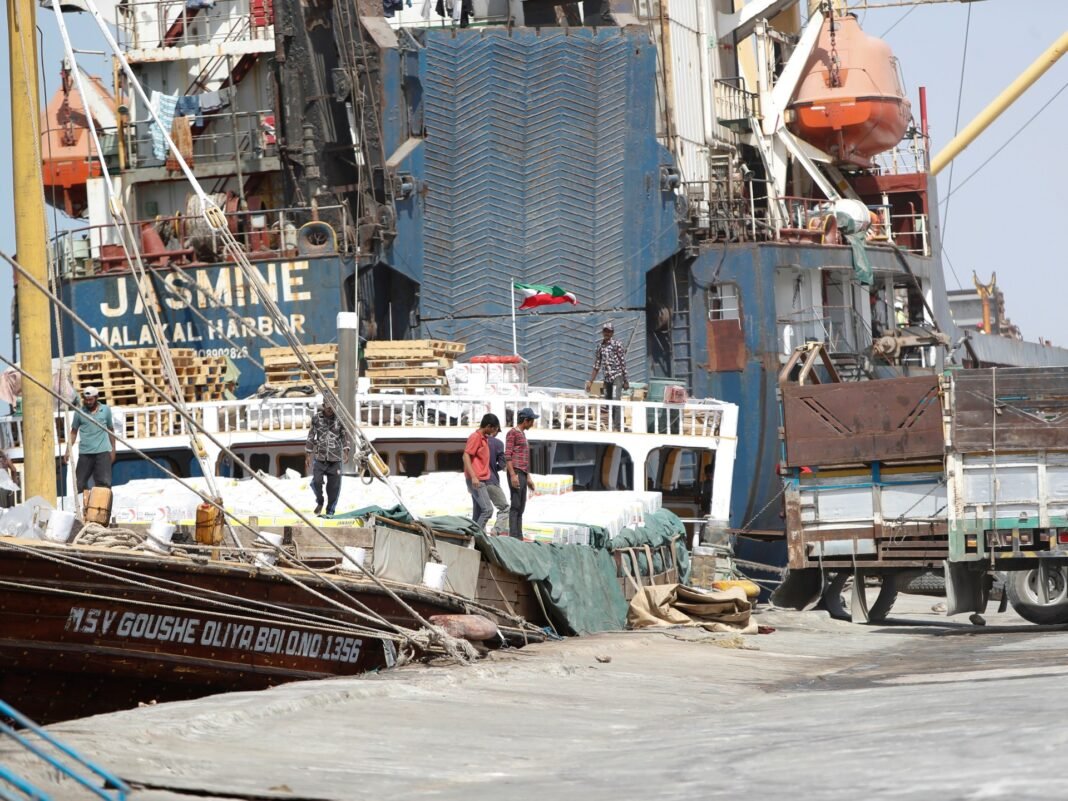
A key element of this engagement is Berbera port on Somaliland’s coastline. This strategic maritime facility is co-owned by British International investment (BII), UAE-based DP World, and local Somaliland authorities. Positioned near one of the busiest shipping corridors connecting the Red Sea with the Indian Ocean,Berbera serves as a critical hub for regional trade logistics.
Berbera Port: From Colonial Outpost to Modern Geopolitical Pivot
Historically valued for strategic rather than purely political reasons-frist as a British coaling station during colonial times then later as a Soviet naval base during Cold War rivalries-Berbera today functions primarily as a commercial logistics center shaped by Gulf state investments alongside Western interests.
The Complex Nexus Between Trade infrastructure and Regional Conflicts
the ongoing war in Sudan has intensified scrutiny over how ports like Berbera integrate into broader geopolitical networks allegedly utilized for military supply chains-specifically accusations that Emirati-backed routes facilitate RSF operations across borders.Although all parties involved officially deny these claims-including UAE authorities-they raise challenging questions about britain’s indirect involvement through its financial stake via BII.
This duality-publicly condemning violence while benefiting economically from infrastructure linked to contentious actors-is described by some analysts as “a disconnect between principle and practice.” Such perceptions risk eroding Britain’s moral standing when advocating peace or accountability within volatile contexts like those found in East Africa today.
Navigating Political Ambiguity Through Strategic Investments
According to expert Abdalftah Hamed Ali, ports transcend mere economic assets; they operate within security frameworks influencing power balances across contested territories. Investments touching critical infrastructure inevitably carry political implications irrespective of stated intentions as they enhance certain authorities’ leverage over rivals amid fragile disputes such as those between Somaliland authorities versus Mogadishu-based federal institutions.
The Fragile Equilibrium Between Recognition Efforts And Realpolitik In Somaliland
since declaring independence in 1991 without widespread international recognition or substantial foreign aid comparable to other Somali regions,Somaliland has built governance systems heavily dependent on locally generated revenues-particularly those derived directly from controlling operations at Berbera port.
An early attempt by transitional Somali federal authorities to seize control over Berbera port was successfully resisted by local clans; this confrontation solidified power-sharing arrangements foundational for current relative stability there.