Sapporo Holdings Initiates Major Real estate Divestment to Sharpen Business Focus
Concentrating Efforts on Brewing Excellence
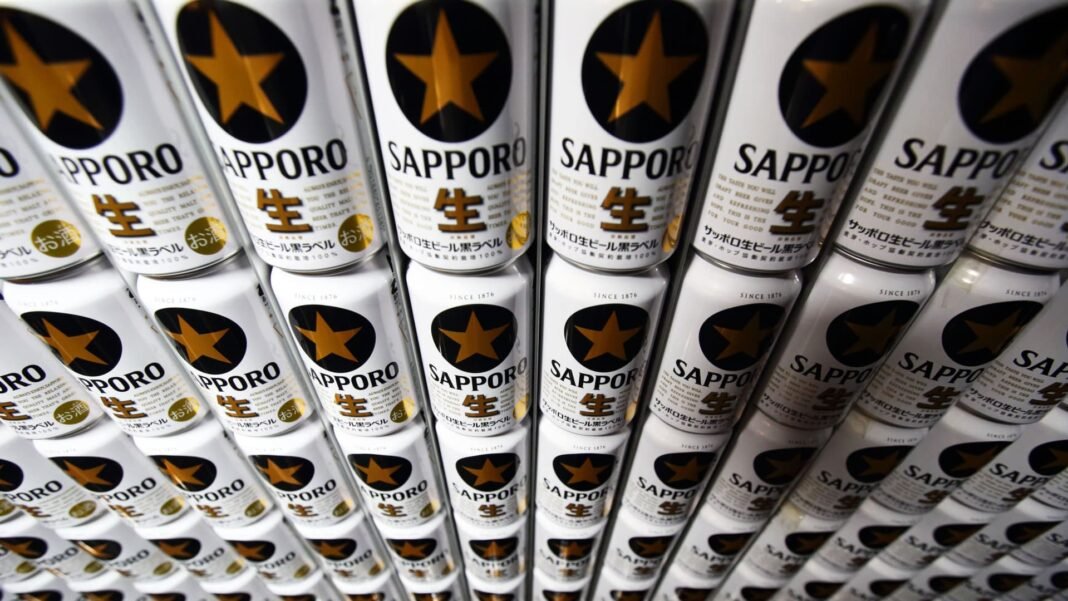
Sapporo Holdings, a leading Japanese beverage company, is preparing to offload its real estate assets in a deal valued at roughly 400 billion yen (about $2.6 billion). The transaction is led by private equity powerhouse KKR alongside Asia-focused investment firm PAG. This strategic decision aims to concentrate the company’s resources adn energy on enhancing its core beer brewing operations.
Key Real Estate assets Included in the Sale
The portfolio features prominent properties such as Tokyo’s Yebisu Garden Place-a dynamic hub that blends the historic charm of the original Yebisu Brewery with high-end retail and dining venues. the acquiring consortium plans to boost profitability by attracting diverse tenants and exploring redevelopment possibilities that could revitalize parts of this iconic site.
Redevelopment Vision for Yebisu Garden place
The new owners intend to modernize sections of Yebisu Garden Place while respecting its cultural heritage, aiming to unlock additional revenue streams through innovative property enhancements over time.
Financial Rationale Behind Divesting Real Estate
The capital raised from selling these prime properties will be reinvested into Sapporo’s brewing business and other strategic initiatives designed to drive growth. This move comes amid a challenging domestic market where Japan’s beer consumption has dropped nearly 5% in recent years, intensifying competition among beverage producers.
Market Response and Corporate Outlook
The declaration was met with optimism from investors, pushing Sapporo’s stock price up close to 3%. Both Sapporo Holdings and KKR have remained reserved about detailed comments regarding future plans related to this transaction.
Background: Negotiation Complexities and Market Challenges
This sale follows previous discussions between Sapporo and the same investor group last year that stalled due to disagreements over asset valuations. Many buildings required significant upgrades because of aging infrastructure and mandatory safety improvements-factors complicating negotiations.
- Sapporo briefly engaged with other potential buyers such as Lone Star Funds along with real estate manager Kenedix after ending exclusivity talks with KKR/PAG.
- The challenge of maintaining older commercial properties within Tokyo’s fiercely competitive real estate market remains a critical obstacle for sellers seeking maximum returns.
A Global Parallel: Corporate Real Estate Divestments Post-Pandemic
This trend reflects broader global patterns where companies are shedding non-core real estate holdings amid evolving economic conditions. As an example, numerous U.S.-based firms have sold office buildings following shifts toward remote work models that reduced demand for conventional office spaces nationwide.
“Divesting non-essential assets provides companies like Sapporo Holdings not only liquidity but also sharper operational focus,” an industry expert noted regarding Asian market strategies.