John Deere’s $99 Million Settlement: A Landmark Moment in the Right-to-Repair Movement
Overview of the Legal Dispute and Settlement Terms
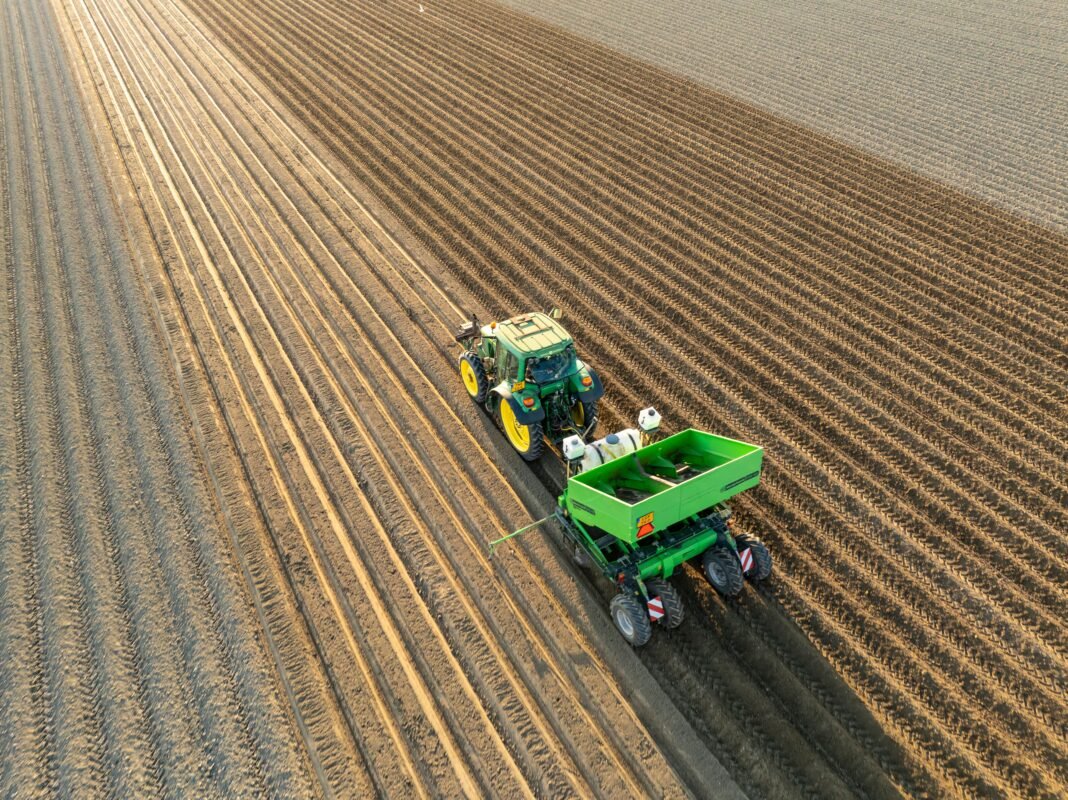
John Deere, a prominent name in agricultural machinery manufacturing, recently agreed to pay $99 million to resolve a class action lawsuit brought by its customers. The plaintiffs alleged that John Deere monopolized repair services by limiting access to critical software and diagnostic tools necesary for repairing tractors and other equipment. This restriction effectively forced farmers to depend exclusively on authorized dealerships for maintenance and repairs.
If approved, this settlement fund will be allocated among John deere owners who can prove they paid for dealership repairs since 2018. Furthermore,as part of the agreement,John Deere has pledged to broaden access to repair tools and services for at least ten years moving forward.
The Real-World Impact of Repair Limitations on Farmers
For many years, John Deere has embedded software locks within its machinery that prevent independent repairs or modifications without dealership authorization. These restrictions have caused meaningful delays during crucial farming periods such as planting or harvest seasons-times when every hour counts-leading to considerable financial setbacks for agricultural operations nationwide.
The frustration stemming from these limitations has energized the right-to-repair movement-a campaign advocating consumers’ rights to service their own products after purchase.In some cases, farmers have resorted to bypassing these digital barriers through unauthorized means just so they can keep their equipment operational during peak demand times. Legislative efforts are underway in states like Iowa and Minnesota aiming to restore repair autonomy back into owners’ hands.
A Wider Struggle Against Repair Monopolies
This lawsuit is part of a broader national debate about ownership rights post-sale. Antitrust experts argue manufacturers should not maintain control over how buyers use or fix products once purchased. One attorney specializing in antitrust issues explains that “the fundamental question isn’t merely about fixing machines-it’s about who truly owns them.” Altering usage rules after sale undermines traditional concepts of ownership and consumer freedom.
Financial Dimensions: Comparing Settlement Figures with Estimated Losses
The $99 million settlement represents only a small portion of estimated losses attributed to restricted repairs-some analysts estimate total damages could exceed $5 billion across the U.S., factoring in downtime costs and inflated service fees combined. An economist studying this issue calculated that excessive charges alone may have cost customers between $300 million and nearly $500 million over recent years.
This settlement amount was strategically set just below an even hundred million dollars-a common corporate tactic aimed at minimizing negative media attention while still making substantial payments.
Farmers’ Priorities Beyond Monetary Compensation
“Farmers aren’t seeking mere payouts-they want freedom from restrictive repair policies as losing access jeopardizes entire livelihoods.”
This sentiment reflects what many affected farmers express: monetary compensation is secondary compared with regaining full control over maintaining their own equipment without costly delays or dependence on manufacturer-approved channels.
What Lies Ahead for John Deere Post-Settlement?
If John Deere honors its commitment by expanding tool availability as outlined in this agreement,it could face significant reductions in profits-potentially hundreds of millions annually-from previously exclusive service revenues becoming more accessible outside dealerships.
“Our mission aligns with empowering farmers through efficient solutions; our diagnostic platform enables users today across North America to perform certain maintenance tasks independently,” said a company representative regarding Operations Center Pro Service technology designed specifically for user empowerment.
Cautious Optimism Among Advocates Remains Widespread
- Cynics point out past instances where similar promises were made but only partially fulfilled;
- Skeptics highlight ongoing distrust due to repeated cycles where progress stalls following initial announcements;
- Lawsuits continue-including recent federal regulatory actions-indicating unresolved challenges persist beyond this latest settlement;
The Long-Term Outlook: Will These Changes Endure?
“We will continue pushing until permanent solutions guarantee farm equipment truly belongs-and functions-as owners intend,” advocates emphasize emphatically.
This current deal guarantees expanded repair access only through 2034; beyond that date there are no binding commitments preventing future reversals on customer servicing rights policies.
A Defining Moment in Equipment Ownership Rights?
This outcome sets an important precedent reflecting growing consumer demands against corporate tactics restricting product usability post-purchase-especially within critical sectors like agriculture where downtime directly translates into economic loss.
As awareness around right-to-repair issues intensifies globally-with legislation advancing across multiple industries-the pressure mounts on manufacturers such as John Deere either adapt transparently or face continued legal challenges from empowered user communities determined not simply settle but reclaim long-overdue ownership freedoms.