Kerry-Lynne Findlay Takes Helm of B.C.Conservative Party
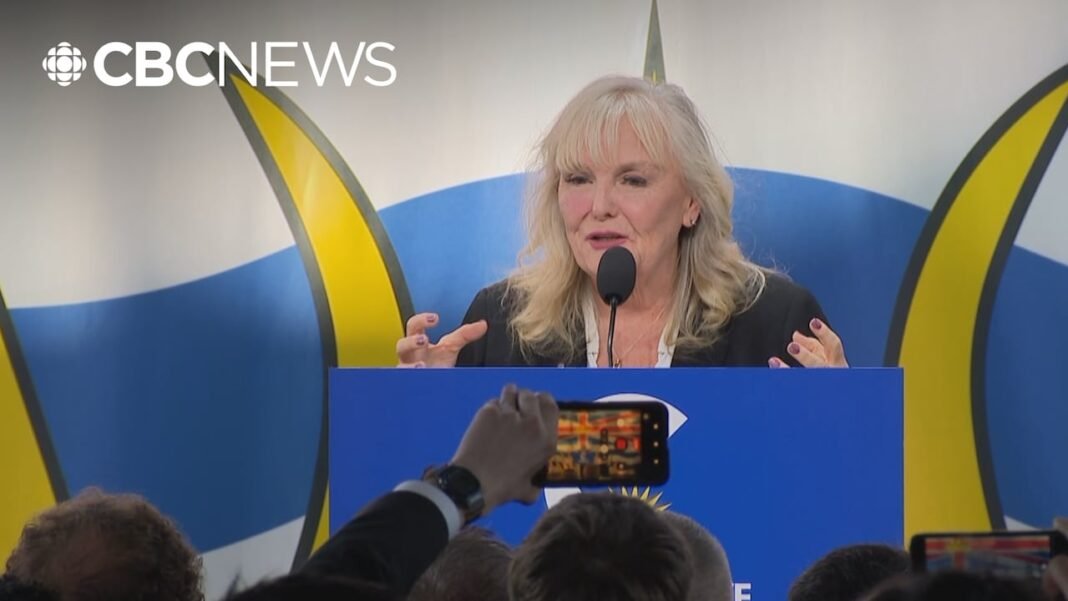
After a fiercely competitive leadership contest, Kerry-Lynne Findlay has emerged as the new head of the B.C. Conservative Party, capturing 51% of votes on the fourth ballot. Her election signals a meaningful turning point as the party aims to reshape its influence within british Columbia’s political arena.
Rebuilding Unity Amidst Internal Strife
findlay steps into leadership at a time when the party is grappling with deep divisions between moderate ex-B.C. Liberals and staunch right-wing members-a rift that proved challenging for former leader john Rustad to bridge. Currently, six former MLAs sit as independents following expulsions and resignations tied to contentious incidents, presenting an immediate challenge for Findlay in healing these fractures.
She has announced plans to address whether these independent MLAs will be reintegrated during an upcoming caucus meeting, demonstrating her commitment to fostering dialog and cohesion within party ranks.
The Turbulent Legacy Left Behind
- John Rustad’s tenure saw MLA Dallas Brodie expelled after making insensitive remarks about residential school survivors, which triggered further departures including Jordan Keeley and Tara Armstrong.
- Tara Armstrong briefly co-founded OneBC alongside Brodie but later left due to internal disagreements.
- eleanor Sturko was removed from caucus following Rustad’s leadership review; Amelia Boultbee resigned amid mounting calls for Rustad’s resignation.
- MLA Hon Chan was dismissed after facing assault-related criminal charges earlier this year.
A Vision Rooted in Core Values and Policy Shifts
Kerry-Lynne Findlay celebrated her victory with upbeat energy set by British electronic band The Prodigy’s “Firestarter,” surrounded by family-including two of her children-and keen supporters. She pledged transformative change grounded in principles she summarized as “faith, family, and freedom.”
The cornerstone of her platform includes lowering taxes, safeguarding property rights, opposing inclusive education policies like SOGI (Sexual Orientation and Gender Identity), while advocating for increased parental authority over school curricula and maintaining gender-segregated facilities such as girls’ locker rooms.
“British Columbia can regain its strength and prosperity-something currently hindered by what I call economic mismanagement under NDP rule,” she asserted during her acceptance speech.
Tensions During Leadership Race: Controversies Unfold
The campaign period was marked by controversy when NDP Labor Minister Jennifer Whiteside accused Findlay of launching “racist attacks” against fellow candidate Peter Milobar. This stemmed from findlay’s remarks implying Milobar had conflicts related to DRIPA (Declaration on the Rights of Indigenous Peoples Act) as his wife and children are Indigenous-a charge Whiteside likened to divisive tactics reminiscent of Trump-era politics in the U.S.
Despite these disputes during the race, Findlay expressed willingness post-election to collaborate with Milobar moving forward despite their past differences.
Navigating Future Challenges: Legislative Goals & Party Relations
Kerry-Lynne intends to pursue a legislative seat promptly but has not yet disclosed whether her husband Brent Chapman-currently serving as an MLA-will step down or continue representing his constituency alongside her ambitions. She described this decision as private family business still under consideration but emphasized eagerness “to enter the legislature at the earliest opportunity.”
A recent group photo featuring all B.C. Conservative MLAs along with unsuccessful leadership contenders captured a momentary display of solidarity despite ongoing tensions among grassroots supporters and elected officials alike.
“The division isn’t quite as severe as it appears,” said Findlay when questioned about uniting different factions within the party.
“We’re more united then many expect.”
An Intense Contest Reflecting Broader Party dynamics
- Kerry-Lynne narrowly defeated Caroline Elliott with 51% against 49%, marking one of British Columbia’s most closely fought political leadership races in recent memory.
- Candidates Peter Milobar, Black, and Fulmer graciously conceded defeat while congratulating their supporters after what analysts described as an exceptionally tight battle highlighting ideological divides prevalent among conservatives nationwide today.
- This slim margin underscores ongoing debates over policy direction amid shifting voter concerns influenced by economic pressures such as soaring housing costs-the average home price in Metro Vancouver recently topped $1 million-and evolving social issues dominating provincial discourse ahead of 2026 elections.