kia’s Bold move into the U.S. Pickup Truck Arena
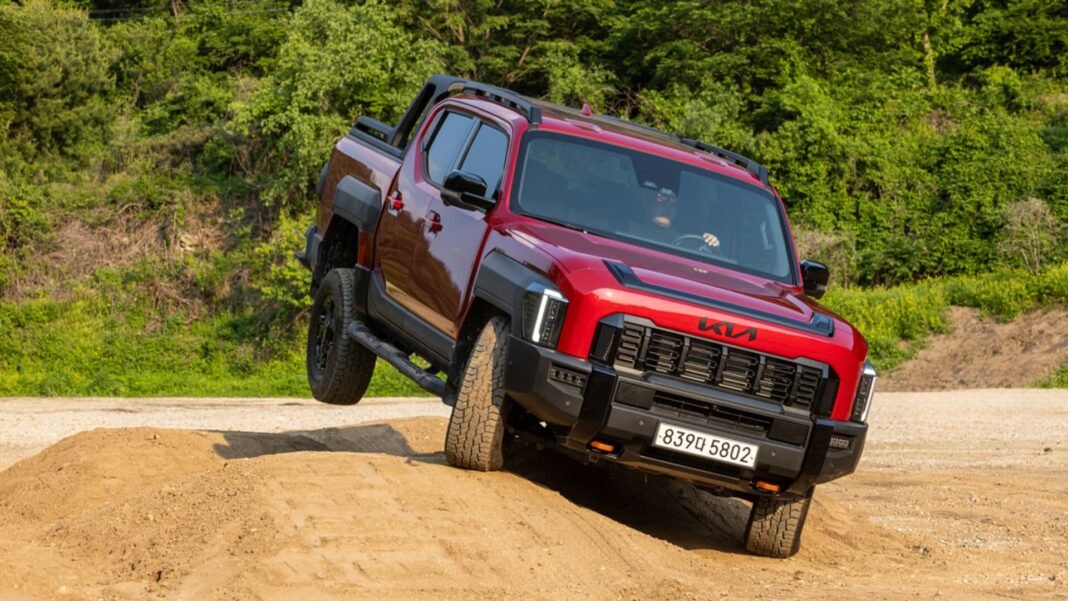
South Korea’s Kia is preparing to unveil a new pickup truck specifically designed for American consumers, signaling a meaningful expansion in its domestic and international market presence.
Entering the midsize Pickup Market with Hybrid Innovations
By 2030,Kia intends to introduce a midsize pickup equipped with hybrid powertrain options,including at least one model assembled on U.S. soil. this strategy targets the highly profitable American pickup segment, which currently represents about 20% of all vehicle sales nationwide.
This forthcoming truck will directly challenge established competitors like the Toyota Tacoma,Ford Ranger,Chevrolet Colorado,and GMC canyon-vehicles that have long held sway over this category.
Ambitious sales Goals and Market Penetration
Kia aims to sell roughly 90,000 pickups annually across North America by 2034, capturing an estimated 7% share of the midsize pickup market. This goal aligns with their broader vision of boosting U.S. sales beyond one million vehicles per year by 2030 while increasing their overall market share from around 5% today to over 6% within that period.
The United States as a Cornerstone for Global Expansion
The U.S. remains central to Kia’s worldwide growth plans. The company’s global vehicle deliveries climbed from under 2.8 million units in 2021 to more than 3.14 million last year-a clear indicator of its expanding global footprint.
Kia ranks as the eighth-largest automaker globally on its own but rises to third place when combined with Hyundai Motor Group’s production output.
Future outlook: Electrification and Increased Market Share
Looking forward, Kia projects annual global sales exceeding four million vehicles by 2030 while aiming for nearly a 4.5% share of worldwide markets-up from an anticipated three-plus million units sold this year and close to four percent market penetration.
The brand is accelerating development of fully electric models alongside hybrids and electric extended-range vehicles (EREVs), highlighting its commitment toward sustainable mobility solutions-including those planned for their upcoming U.S.-market pickup truck.
The Tasman Model: A Precursor With Uncertain Influence
Kia first ventured into international pickup markets last year with the tasman model; however, it remains uncertain whether design elements or branding from this vehicle will influence their new American-specific offering or what pricing strategies will be adopted upon launch.
“Recognizing its strategic significance,” said Kia CEO Ho Sung Song during an investor briefing, “we are introducing a new body-on-frame pickup crafted specifically to expand our customer base.”
Navigating competition: Established Detroit Automakers vs Emerging Players
- The full-size truck segment continues under strong control by Detroit giants General Motors, Ford Motor Company, and Stellantis (parent company of chrysler).
- Kia’s focus on midsize pickups allows it space for differentiation without directly confronting these entrenched leaders dominating full-size categories where competition is intense.
- This tactic resembles accomplished approaches taken recently by other Asian manufacturers entering niche segments traditionally dominated by domestic brands-as an example Hyundai’s rise in compact SUVs reshaping consumer expectations globally serves as an illustrative parallel.
A Forward-Thinking Strategy Embracing Innovation and Sustainability
Kia’s evolving lineup reflects wider industry trends prioritizing electrification alongside conventional combustion engines enhanced through hybrid technology-a crucial balance amid tightening emissions regulations in key regions such as California alone accounting for nearly half of all electric vehicle registrations nationwide last year according to recent data analyses.
This shift toward electrified pickups not only addresses environmental imperatives but also positions Kia competitively amid changing consumer preferences favoring fuel efficiency without compromising utility or performance-the hallmarks cherished within America’s enduring truck culture.