Covert Android Spyware Campaign Targets Samsung Galaxy Smartphones
Unveiling a Hidden Threat to Galaxy Devices
Cybersecurity experts have uncovered a refined spyware strain that has been silently compromising Samsung Galaxy smartphones for nearly a year. This malicious campaign exploited an undisclosed zero-day vulnerability embedded within teh software of these devices, allowing attackers to operate undetected.
The Mechanics Behind the silent Infection
The spyware, identified as “Landfall” by security researchers at Palo Alto Networks’ Unit 42, utilized this zero-day flaw by sending specially engineered image files to victims’ phones. these images were likely distributed through widely used messaging apps and could infect devices without any user interaction or notification.
Models and Android Versions at Risk
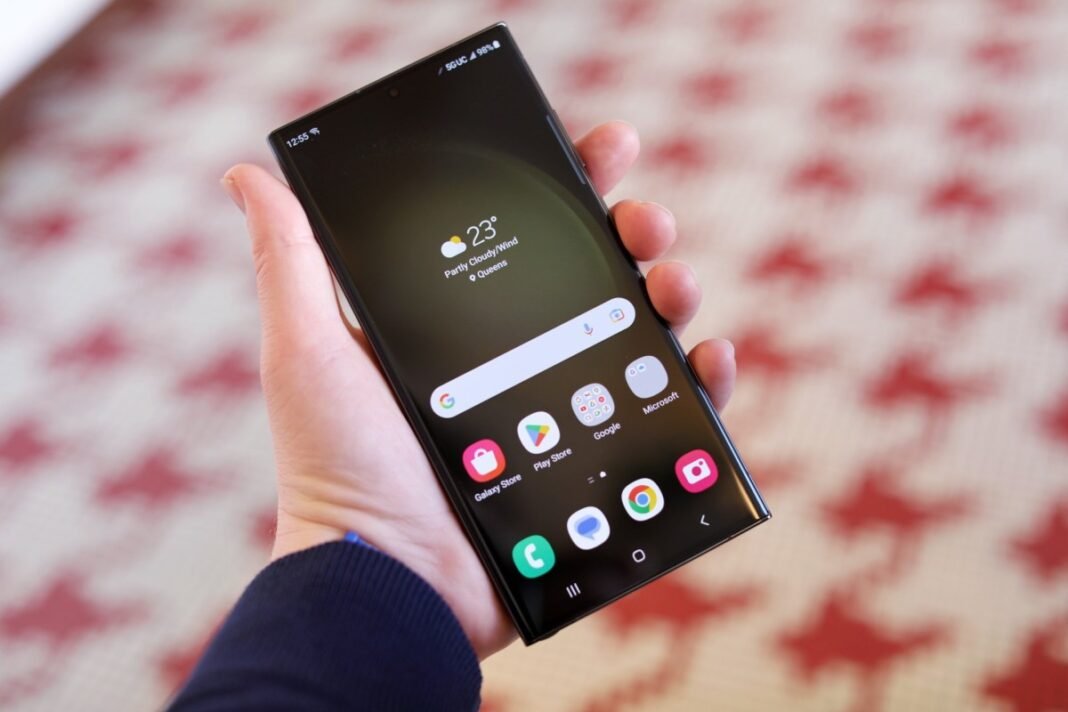
This malware specifically targeted flagship Samsung models such as the galaxy S22, S23, and S24 series, along with certain Z foldable editions. The vulnerability affected Android versions from 13 through 15, indicating that manny recent devices remained exposed during the campaign’s duration.
Patching Efforts and Disclosure Timeline
Samsung released a critical security patch addressing this issue in April 2025 under CVE-2025-21042. Prior to this update, detailed facts about Landfall’s scope and capabilities had not been publicly available.
Regional Concentration of Attacks and Victim Profile
The espionage operation primarily focused on targets located in Middle Eastern countries. Malware samples traced back to regions including Morocco, Iran, Iraq, and turkey between late 2024 and early 2025 support this geographic focus. Furthermore, Turkey’s national cyber defense authorities identified related IP addresses as malicious activity sources-reinforcing suspicions of deliberate regional targeting.
A Precision Espionage Campaign Rather Than Mass Infection
This was not an indiscriminate malware outbreak but rather a carefully orchestrated attack aimed at select individuals-likely for intelligence collection rather than financial exploitation or widespread disruption.
Connections with Known Surveillance Entities Without Conclusive Proof
The infrastructure supporting Landfall shares technical traits with tools linked to “Stealth Falcon,” a surveillance group known since at least 2012 for monitoring activists and journalists across Gulf nations. Despite these parallels in digital footprints, investigators emphasize there is insufficient evidence to definitively attribute Landfall’s operations to any specific government or association.
Advanced Features Embedded Within Landfall Spyware
- Extensive Data Extraction: Capable of harvesting photos, messages-including encrypted conversations-contact lists, and call logs;
- Live Audio Monitoring: Ability to activate microphones covertly for real-time sound capture;
- User Location Tracking: Precise geolocation data collection enabling continuous movement surveillance;
- Sleek Stealth Mode: Infects devices without alerting users or requiring manual actions on their part.
“The combination of stealthy deployment methods alongside targeted victim selection strongly indicates espionage-driven objectives behind this operation,” remarked senior threat analysts reviewing the case.
The growing Landscape of Mobile Cyber Threats Worldwide
This finding underscores persistent dangers faced by mobile device users globally amid rising use of advanced spyware exploiting zero-day vulnerabilities. Industry data from mid-2025 reveals that over 40% of attacks targeting mobile platforms involve zero-day exploits comparable in complexity to those employed by Landfall operators-highlighting urgent demands for enhanced security measures from both smartphone manufacturers and end-users alike.
An Urgent advisory for Samsung Users on Android Versions 13-15
If you own one of the affected Samsung models running Android versions between 13 and 15 without having applied updates released after April 2025, installing these patches immediately would significantly reduce your risk against exploitation via this particular attack vector.
This incident serves as a stark reminder that even trusted brands like Samsung are vulnerable-and maintaining constant vigilance remains crucial amid rapidly evolving mobile cybersecurity threats worldwide today.