How DEI Commitments Shape Brand Loyalty Among LGBTQ+ Consumers
The Growing Influence of Diversity, equity, and Inclusion on Buying Behavior
LGBTQ+ consumers are increasingly making purchasing choices based on companies’ dedication to diversity, equity, and inclusion (DEI). Recent data shows that nearly 75% of this group have reduced spending with brands perceived as scaling back their DEI efforts. Approximately 70% admit to occasionally boycotting businesses they view as retreating from inclusive values.
Brands facing Declining Support From LGBTQ+ Shoppers
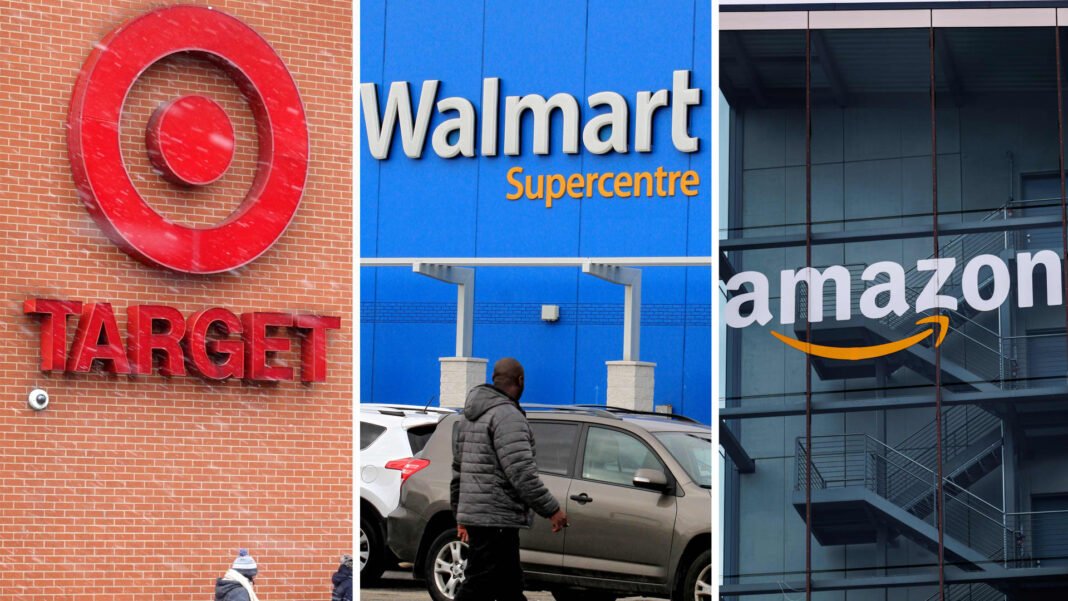
Several well-known corporations have experienced a drop in loyalty among LGBTQ+ customers due to perceived weakening of their inclusivity commitments. Retailers such as Walmart, Amazon, Home Depot, Chick-fil-A, and Target have all faced criticism for either diminishing public DEI messaging or implementing internal policy changes that alienate this community.
The Complex Case of Target: Political Divides Affect Consumer Patterns
Target’s experience highlights the nuanced challenges brands face. In mid-2023, the company saw a notable decline in purchases from Republican-identifying shoppers following backlash over its Pride Month merchandise displays. Conversely,by early 2025 spending among Democratic customers decreased after Target scaled back some DEI initiatives. Despite thes fluctuations, recent quarterly results reveal positive same-store sales growth-the first increase in over a year-indicating partial recovery amid ongoing debates.
LGBTQ+-Inclusive Brands Garnering Increased Loyalty
Conversely, nearly 70% of LGBTQ+ consumers reward companies they perceive as champions of diversity by boosting their spending.Costco stands out as the top brand benefiting from enhanced loyalty within this demographic. Other notable names include Apple; Ben & Jerry’s ice cream brand known for its progressive activism; Delta Air Lines; and Kroger grocery stores.
Building Trust Through Consistency: Insights From Costco’s Strategy
Costco’s unwavering commitment to DEI has cultivated strong trust among LGBTQ+ buyers. Earlier this year shareholders decisively rejected proposals aimed at reducing or reevaluating the company’s diversity programs-a move celebrated by advocates for inclusion. Following this endorsement of sustained DEI efforts, costco reported meaningful year-over-year growth in spending notably among Democratic-identifying customers.
The Economic Weight Behind Inclusive Business Practices
The National LGBT Chamber of Commerce estimates that LGBTQ+ consumers contribute more than $1.7 trillion annually to the U.S economy-highlighting why corporate inclusivity strategies carry substantial financial meaning beyond social duty alone.
“Consumers don’t expect perfection but want clarity about where brands stand on inclusion,” said an advocacy representative within leading human rights organizations.
A Shift in Corporate Engagement With Equality Benchmarks
An emerging trend reveals many companies are withdrawing or reducing participation in key assessments like the Corporate Equality Index-a critical tool measuring workplace policies affecting LGBTQ+ employees across Fortune 500 firms. Participation has dropped roughly 65%, falling from nearly 380 firms one year ago to just above 130 recently-reflecting broader political pressures against so-called “woke” initiatives.
Diverse Industry Responses Amid Changing Expectations
Amazon continues emphasizing support for employee development and diverse customer engagement without publicly altering its core values despite scrutiny faced by other retailers mentioned earlier who remain silent regarding these findings.
The road Ahead: Prioritizing Transparency Over Flawlessness
this evolving consumer landscape signals an crucial shift: rather than demanding perfect execution on every aspect related to equity or representation,LGBTQ+ consumers value clear interaction about corporate principles combined with consistent actions aligned both internally and externally.
Brands demonstrating steady dedication not only retain but often expand loyal customer bases within this influential segment.
As societal expectations rise alongside economic stakes surpassing trillions annually,
businesses ignoring these trends risk losing relevance while those embracing genuine inclusivity position themselves for sustainable success.