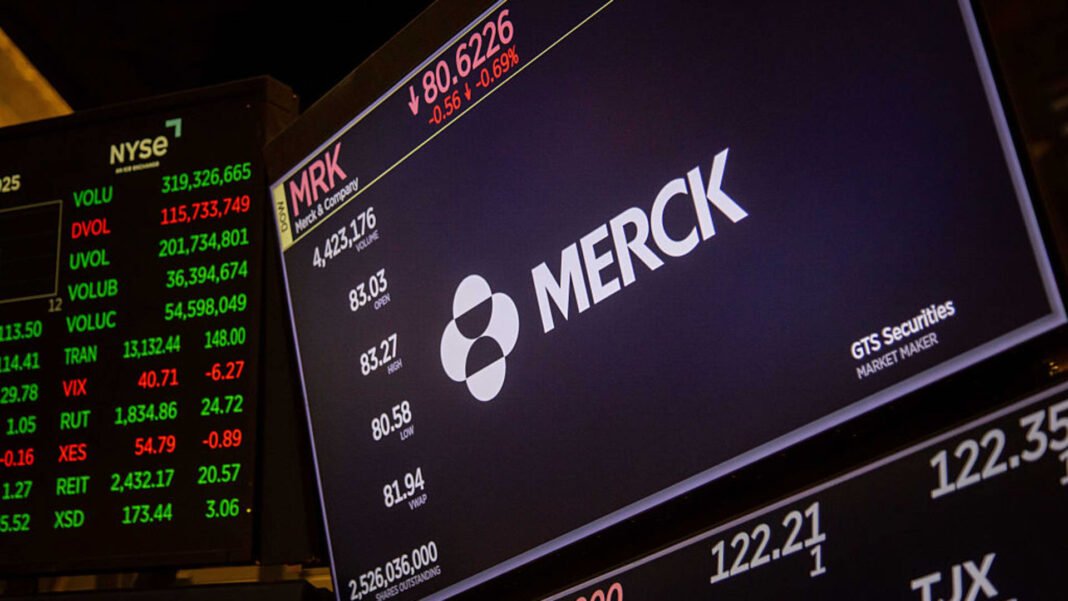
Merck’s Strategic Approach to Cost Management and Growth Amid Patent Expirations
Comprehensive Restructuring to Drive Future Innovation
Merck has announced an ambitious plan to reduce expenses by $3 billion by the end of 2027, channeling these savings into accelerating new product launches and advancing its drug development pipeline.This extensive multi-year effort is designed to fortify Merck’s market position as it prepares for anticipated revenue declines following the expiration of Keytruda’s patent in 2028.
in response to shifting global trade dynamics, including recent U.S. tariffs on pharmaceutical imports, Merck is investing significantly in expanding its domestic manufacturing footprint. These strategic moves aim to minimize supply chain vulnerabilities and sustain competitive strength amid ongoing geopolitical uncertainties.
Leadership Viewpoint on Managing Patent Loss Impact
The CEO conveyed a confident outlook regarding the challenges posed by Keytruda losing exclusivity, framing it as a manageable hurdle rather than a crisis. This optimism stems from robust clinical trial results, upcoming product introductions, and strategic collaborations that collectively underpin Merck’s long-term growth trajectory.
Operational Changes: Workforce realignment and Efficiency Enhancements
The restructuring initiative includes targeted reductions across administrative functions, sales teams, and R&D personnel within mature business units. Conversely, hiring will continue selectively in high-growth sectors aligned with innovation priorities. Additionally,Merck plans to optimize its global real estate portfolio and streamline manufacturing processes worldwide.
This transformation is projected to generate approximately $1.7 billion in annual cost savings primarily before 2028 while incurring around $3 billion in pretax restructuring charges over time.
Recent Financial Metrics at a Glance
- Earnings per share: Adjusted EPS reached $2.13 for Q2 2025 versus analyst estimates near $2.01.
- Total revenue: Reported at $15.81 billion for Q2 2025 compared with forecasts around $15.89 billion.
- Net income: Fell from $5.46 billion ($2.14/share) last year down to $4.43 billion ($1.76/share) this quarter partly due to restructuring expenses.
Tightened Full-Year Forecast Reflects Market Challenges
The company revised its full-year guidance downward slightly with adjusted earnings per share now expected between $8.87 and $8.97 alongside revenues forecasted between $64.3 billion and $65 .3 billion for 2025 amid persistent headwinds such as tariff-related costs estimated near $200 million so far this year.
Difficulties in China Weigh on Vaccine Sales Performance
A meaningful obstacle remains with Gardasil sales suspended earlier this year in China due to excess inventory levels combined with weak demand; resumption of shipments is unlikely until late 2025 or beyond according to financial disclosures.
This suspension contributed heavily toward Gardasil’s international quarterly revenue decline of approximately 55%, despite modest domestic gains where U.S sales increased about 2% during Q2 alone.
Diverse Product Lines Show Mixed Results Amid Market Shifts
Main Pharmaceutical Segment Overview
The pharmaceutical division generated nearly $14 billion , reflecting a slight dip compared with last year’s second quarter largely driven by international vaccine setbacks but partially offset by strong oncology drug performance.
Keytruda sustained extraordinary momentum posting close to $8 billion in sales-achieving nearly double-digit growth-propelled mainly by expanded indications across early-stage cancers alongside steady demand for metastatic treatments globally.
This outcome slightly surpassed analyst expectations which had forecast just under $7 .9 billion .
Evolving trends Within Vaccines Business Unit
The HPV vaccine Gardasil encountered notable challenges overseas but remains strategically crucial given ongoing approval expansions targeting males aged nine through twenty-six years old within China-a critical market poised for future uptake once distribution fully resumes.
Meanwhile, Winvrair ,Merck’s therapy addressing rare pulmonary conditions recorded solid quarterly results exceeding projections at over $330 million ,reflecting increasing adoption among specialist healthcare providers worldwide.
An Expanding Animal Health Division Fuels Revenue Growth
The animal health segment posted robust growth exceeding 11%, reaching nearly $1 .65 billion . This increase was driven notably by rising demand for livestock products along with contributions from Elanco’s aquaculture portfolio acquired recently-highlighting diversification benefits beyond human pharmaceuticals into veterinary markets serving companion animals like dogs and cats as well as farm animals globally.