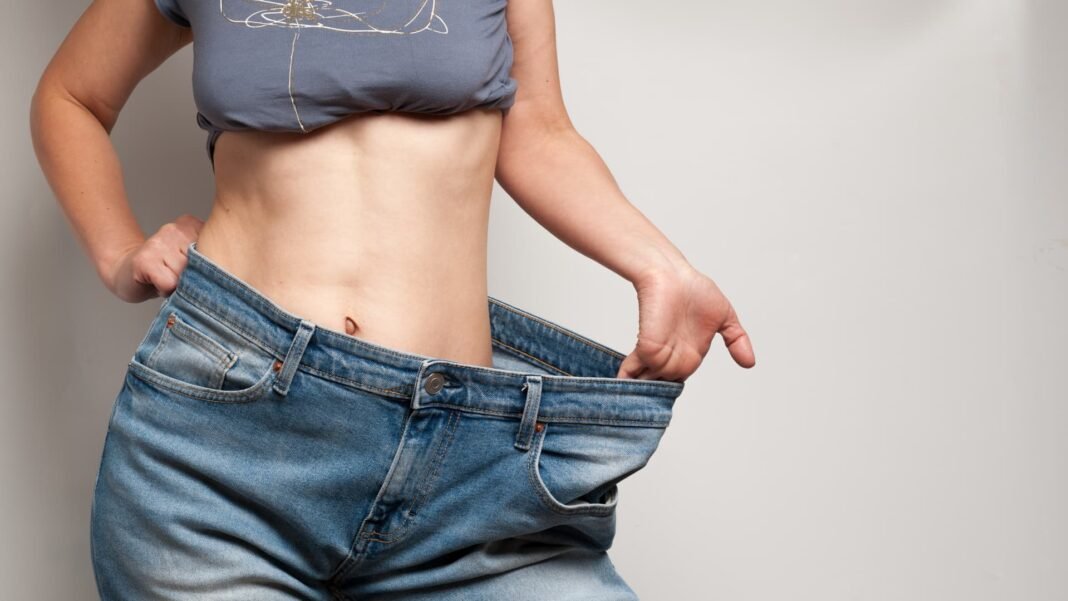
How GLP-1 Medications Are Revolutionizing American Fashion and Retail Dynamics
Michelle Suter, a 63-year-old retiree living near St. Louis, missouri, once preferred loose clothing to mask her figure. she had long parted with her favorite fitted dresses and sundresses,convinced she would never fit into smaller sizes again.
However, after losing nearly 28 pounds thanks to the GLP-1 medication Wegovy, Michelle is now imagining an entirely new wardrobe tailored to her changing body.
“The joy comes from wearing clothes that truly fit instead of relying on old outfits tightened with drawstrings,” she shared with enthusiasm.
The Growing Popularity of GLP-1 Drugs in Weight management
The increasing adoption of GLP-1 medications among Americans for weight loss and diabetes control is reshaping consumer habits and creating fresh opportunities for fashion retailers. These drugs function by slowing gastric emptying and suppressing appetite, enabling users to shed significant weight while mitigating obesity-related health risks such as cardiovascular disease.
Current statistics indicate that around 13% of U.S. adults are using GLP-1 drugs like Ozempic or Zepbound-a number that has steadily risen over recent years. Surveys show this figure climbed from approximately 11% in late 2024 to nearly 16% by late 2025 even before oral versions became widely accessible.
Forecasts predict that by 2030 more than 30 million Americans could be utilizing these treatments-tripling the user base within just four years-signaling a profound transformation not only in health but also lifestyle choices including apparel consumption patterns.
Evolving Apparel Needs Driven by Rapid Body Changes
This expanding group experiencing swift physical transformations is already influencing retail trends considerably. Research from Circana highlights declining sales in larger bra sizes (42+ bands and D cups), while mid-range sizes such as band size 40 with B or C cups are gaining popularity-a clear indication consumers are downsizing their wardrobes.
“Bras demand precise fitting; you can’t simply ‘make do’ when dropping multiple sizes,” explained Kristen Classi-Zummo, an apparel industry consultant at Circana.This contrasts with other clothing categories where minor size changes might temporarily go unnoticed.
The shift extends beyond intimate wear: plus-size women’s clothing has recently experienced a decline compared to smaller size ranges under size 12-a reversal from growth trends observed just months earlier.
The impact on Specialty Retailers
- Destination XL: The big-and-tall men’s retailer estimates up to one-quarter of its customers use GLP-1 medications, causing notable fluctuations as shoppers move between sizing up or down during their weight journeys.
- Victoria’s Secret: The intimates brand reported about a three percent drop in sales of larger bra bands and underwear sizes partly attributed to body shape changes driven by these drugs.
- T.J. Maxx & Marshalls: Off-price retailers stand ready to benefit as customers seek affordable options while transitioning through multiple clothing sizes rapidly due to weight loss progressions fueled by these medications.
the Rise of Personalized Styling Amid Size Fluctuations
Clever styling platforms have quickly identified this emerging market prospect within apparel retail.Since late 2024, services like Stitch Fix have focused marketing efforts on individuals undergoing physical transformations caused by weight loss medications-including partnerships with influencers who openly share their experiences taking GLP-1s-and developed dedicated online resources catering specifically to this demographic’s evolving needs.
“People navigating rapid bodily changes desire guidance-they want support feeling confident at every stage.”
– Matt Baer, CEO of Stitch Fix
This company offers personalized “fixes” curated around shifting measurements and style preferences at $20 per session-allowing clients flexibility without committing prematurely to large wardrobe purchases until they reach stable sizing milestones.
Mentions related to weight loss have tripled over two years among customer notes requesting specific items or adjustments reflecting shrinking dimensions.
Additionally, ThredUp , an online resale marketplace specializing in secondhand fashion has seen increased activity linked directly with users selling outgrown pieces while buying smaller-sized denim-the top category among those adjusting waistlines since early last year.
Interestingly, ThredUp ‘s inventory growth includes more plus-size items being listed as former owners transition out of those fits but buyers continue seeking affordable options within this segment too-highlighting complex dynamics across different consumer groups affected differently by these trends.
A Surge in U.S Apparel Sales Expected From Size Transitions
- A recent survey found roughly 80% of active GLP-1 users anticipate needing new wardrobes due to changing body shapes;
- Circana data reveals
- If each user drops about three dress sizes buying five-to-eight pieces per size lost annually – analysts estimate between
- This equates into an estimated $13 billion annual boost (based on average U.S retail price points around $18 per item),potentially higher considering many users favor premium brands;
Diverse Retail Segments positioned To Benefit From This shift
- Athletic wear brands:Nike,Lululemon,and Adidas may experience increased demand thanks both totheir flexible fabrics accommodating fluctuating bodiesand heightened activity levels among newly motivated consumers pursuing fitness goals alongsideweightloss journeys.
- Bespoke styling services:Platforms offering personalized fittingsor rental models suchas Rent the Runway provide convenient solutionsfor shoppers needing adaptable wardrobes during transitional phases.
- Larger retailerswith pharmacy sections:Costco,Walmart,and target could benefitfrom impulse buys whencustomers pick up prescriptions alongside essentials includingclothingitems.
Navigating Emotional And physical Shifts In Consumer Behavior
Circana expert Kristen Classi-Zummo stresses how brands must address not only physical transformations but also emotional adjustments experiencedby consumers shedding pounds rapidly:
“Retailers should engage empathetically – highlighting value propositions like affordability through secondhand shoppingor offering expert assistance finding perfect fits amid constant measurement fluctuations.”
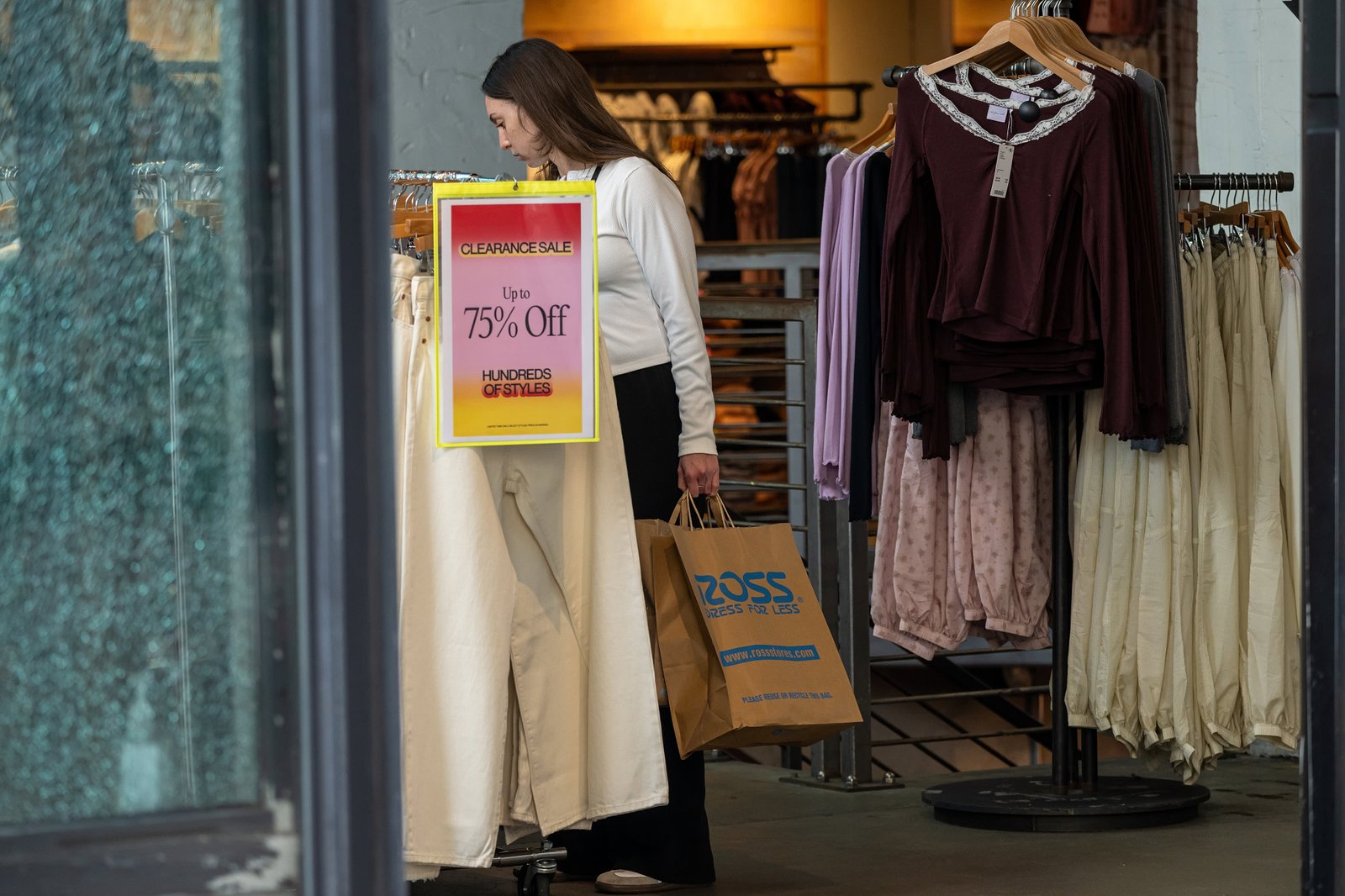
An Individual Story Mirroring broader Market Trends
Suter remains midway toward her goalof losing nearly60 poundsbut already feels transformed emotionallyand stylistically.She recently purchased smaller T-shirts onlineto bridge gapsbetween old jeans still wearableand future wardrobe upgrades.She also investedin Hoka sneakers enabling longer walkswithher dogs Odieand Bentleyas newfound stamina fuels outdoor activities previously avoided due totiredness.
When she reaches targetweight,she plans splurgingon stylish outfitsfor special occasions includingan upcoming high school reunion alongwith swimsuits ready forthe summer season.
“I’m excited-and maybe even ready-to strut my stuff,”she laughed happily reflectingonher journey so far.”