Mobileye’s Bold Transition into the Robotaxi Market
Shifting from Technology Provider to Autonomous Service Operator
Mobileye, a prominent Intel subsidiary known for its cutting-edge autonomous driving technology, is preparing to evolve beyond supplying self-driving systems by launching its own robotaxi service.The company plans to introduce this service in an undisclosed U.S. city by 2027, marking a pivotal change in its operational strategy.
Phased Launch and Aspiring Expansion Targets
The initial deployment will feature a fleet of 100 autonomous vehicles gradually rolled out throughout 2027. Should the pilot phase succeed, Mobileye aims to scale up rapidly, targeting an impressive fleet size of around 17,000 robotaxis within five years after launch.
aiming to Redefine Urban Transportation
Amnon Shashua, Mobileye’s founder and CEO, highlighted that while the robotaxi industry remains nascent, it holds transformative potential for urban mobility worldwide. He pointed out that today’s market depends heavily on a handful of technology providers and operational models that are ripe for disruption.
The Journey from Safety Chips to Full Autonomy Solutions
Mobileye initially gained prominence by producing millions of computer vision chips designed to enhance vehicle safety and driver-assistance systems. Over time,it has advanced toward full autonomy platforms now being tested with partners like Volkswagen and MOIA across multiple cities globally.
Navigating Competition While Expanding Influence
This strategic move places Mobileye not only as a supplier but also as an active competitor within the robotaxi landscape-even competing against companies currently utilizing its technology stack. This dual role reflects broader industry trends where suppliers increasingly seek direct control over mobility services operations.
The Strategic Role of Robotaxis in Achieving Full Autonomy Goals
The decision to enter the robotaxi arena aligns with long-term ambitions surrounding fully autonomous personal vehicles available for consumer purchase. According to Shashua’s insights, mastering commercial driverless ride-hailing is essential before achieving widespread adoption of autonomous private cars-a critical milestone he refers to as the “holy Grail” of autonomy.
Integrating Operations with Existing Assets for Seamless Service Delivery
To manage this new venture effectively, Mobileye plans on creating a dedicated operating division responsible for overseeing the fleet while leveraging Moovit-the transit app under its ownership-to facilitate smooth customer interactions. This integrated approach combines technological expertise with user-facing services under one cohesive framework.
Selecting Vehicle Platforms While Maintaining Industry Collaborations
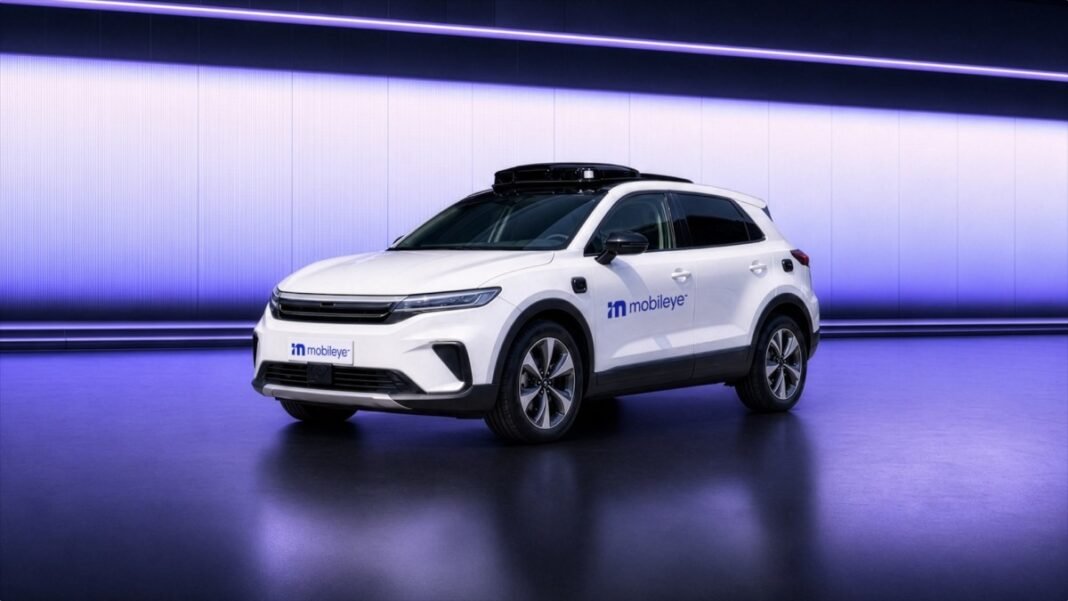
The company has yet to reveal specific vehicle models but confirmed partnerships with manufacturers providing “AV-ready” platforms suitable for autonomous deployment. Visual hints suggest adaptations based on electric crossovers similar in concept to models like BYD Atto 3 rather than previously showcased Volkswagen examples.
A Complementary Approach Rather Than Replacement Strategy
“This initiative enhances rather than replaces our existing partnerships,” Shashua explained.“We remain dedicated to empowering automakers and mobility providers through Mobileye Drive while simultaneously accelerating adoption by operating our own service.”
“Running our own robotaxi network offers invaluable real-world insights that accelerate development cycles and showcase the full capabilities of autonomous driving.”
The Broader Landscape: Autonomous Mobility Trends in 2024 and Beyond
- Market Expansion: The global autonomous taxi sector is forecasted to grow at over 20% compound annual growth rate (CAGR) through 2030 due largely to increasing urbanization pressures and heightened demand for contactless transportation options following recent public health concerns.
- Diverse Competitors: Industry leaders such as Waymo, Cruise Automation, Baidu Apollo alongside emerging startups worldwide are intensifying competition by launching pilot programs across major cities including New York City, Singapore, and Berlin.
- User Acceptance: Surveys reveal growing openness among urban millennials-with acceptance rates exceeding 60%-toward using driverless ride-hailing services once consistent safety standards are demonstrated over time.
- Sustainability Benefits: Electric-powered AV fleets promise significant reductions in greenhouse gas emissions compared with customary taxis; integrating renewable energy sources further amplifies environmental advantages aligned with global climate commitments.
A Parallel from Other Industries: Vertical Integration Driving Innovation
This strategic shift mirrors patterns observed in sectors like cloud computing where hardware vendors evolved into complete service operators-for example Amazon Web Services revolutionized IT delivery by controlling both product development and end-user experience directly. Similarly, controlling both technology creation and mobility operations enables faster innovation cycles while capturing greater value along the supply chain-a dynamic now unfolding within autonomous transportation ecosystems too.