Revolutionizing Consumer Wearables with Cutting-edge Brain-Computer Interface Technology
Brain-computer interface (BCI) technology,which facilitates direct communication between the human brain and external gadgets,has swiftly transitioned from a speculative idea to a dynamic segment within the technology landscape. A leading innovator in this arena is Neurable, a company developing non-invasive BCI solutions that effortlessly blend into everyday consumer electronics.
Non-Invasive Brain Interfaces: A Practical Option to Surgical Implants
In contrast to invasive methods involving implanted microchips inside the brain, neurable’s approach employs external sensors that eliminate the need for surgical intervention. this non-invasive design significantly broadens accessibility and user acceptance across multiple industries.
The Mechanism Behind Neurable’s Brain Signal Detection and Interpretation
At the heart of Neurable’s breakthrough lies an integration of electroencephalography (EEG) sensors with sophisticated artificial intelligence systems. These EEG devices capture electrical impulses generated by neural activity, while AI algorithms analyze these signals in real time to evaluate mental states such as concentration levels and cognitive workload.
Diverse Applications Fueled by Strategic Licensing Agreements
The global market for wearable devices exceeded 490 million units shipped in 2023 alone, underscoring rising consumer demand for smart health monitoring tools. Leveraging this momentum, Neurable secured $35 million in recent funding dedicated to accelerating commercialization efforts. The company now licenses its AI-powered brain-sensing platform to original equipment manufacturers (oems), enabling seamless integration into various products like headphones, smart glasses, caps, and headbands without sacrificing comfort or style.
- Wellness & Athletic Performance: BCIs embedded in wearables can offer athletes real-time feedback on mental fatigue or focus during workouts.
- Workplace Efficiency: Devices monitoring cognitive load help office professionals optimize task management by suggesting timely breaks or workload adjustments.
- Interactive Gaming: Gamers benefit from headsets that dynamically adjust gameplay based on neural responses linked to attention and engagement.
Pioneering Partnerships Illustrate Tangible Benefits
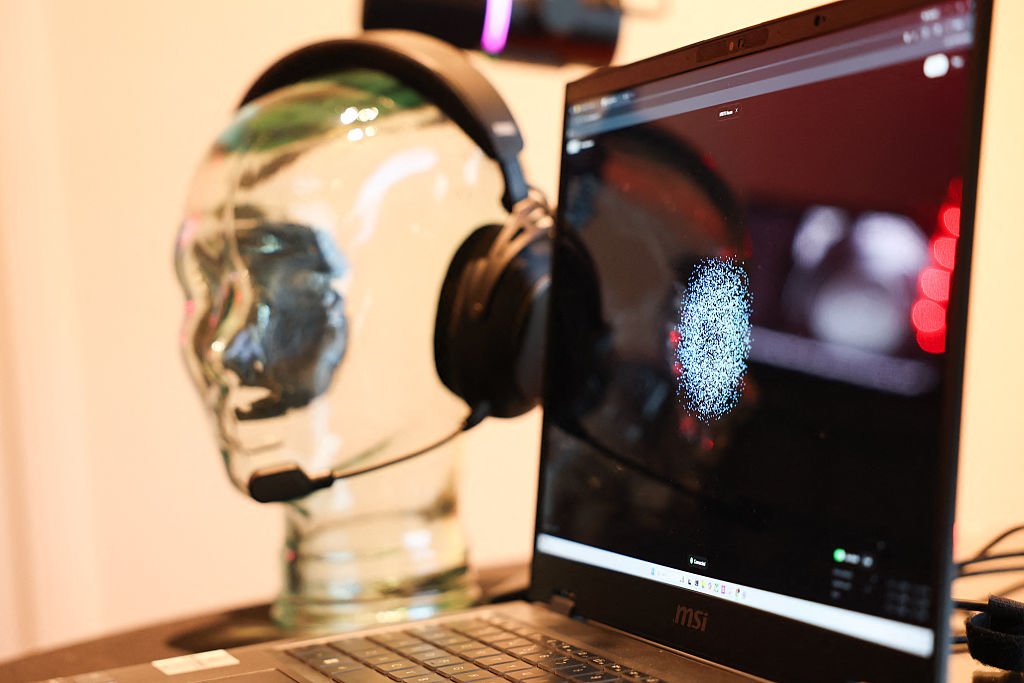
A notable example is Neurable’s collaboration with HyperX-HP Inc.’s gaming division-which produced a headset tailored to enhance player focus through tracking attention-related brainwave patterns. Additionally, teaming up with iMotions-a leader in behavioral research software-has enabled comprehensive studies combining neural data collection with human response analysis for deeper insights into cognition.
The Future Goal: Normalizing Brain Sensors Like Heart Rate Monitors
“Our vision is for brain-sensing technology to become as commonplace as wrist-worn heart rate monitors,” stated Ramses Alcaide, CEO of Neurable. “Having demonstrated success across sectors, our next challenge is widespread adoption.”
This ambition mirrors an industry-wide movement toward embedding neurotechnology seamlessly into daily life rather than confining it solely within clinical or research settings.
User Data Protection at the Core of innovation Efforts
The sensitive nature of neural details necessitates robust privacy measures. To ensure user trust and security:
- User data collected via EEG undergoes stringent anonymization processes preventing personal identification;
- The company complies fully with HIPAA regulations governing data confidentiality;
- User consent strictly controls any use of personal neural signals for AI model training-no indiscriminate harvesting occurs;
- Certain experimental uses require explicit permission before accessing recorded brain activity;
- Sophisticated encryption safeguards all transmitted information against unauthorized breaches.
A Rapidly Expanding neurotechnology Market Set for Breakthrough Growth
The neurotech industry stands at a pivotal moment where scalable commercial models are emerging beyond initial trials. Recent forecasts predict compound annual growth rates surpassing 15% over the next five years,BRAIN-COMPUTER INTERFACE (BCI)-enabled wearables are poised to transform digital interaction by enabling thought-driven control.
“The critical question today isn’t if but when neurotechnology will become deeply integrated across diverse sectors,” reflected Alcaide on future prospects beyond current innovations.”