escalating Oil Prices Amid Heightened Geopolitical Tensions
Shifts in the Global Energy Landscape
Oil markets witnessed a sharp uptick on Thursday after Iran accused the United States of violating key terms of a recently agreed two-week ceasefire. This accusation has intensified concerns over potential disruptions to global energy flows due to renewed geopolitical instability.
The Brent crude benchmark for June delivery surged by 2.08%, reaching $96.83 per barrel, while U.S. West Texas Intermediate (WTI) crude for May delivery jumped 2.86% to close at $97.27 per barrel.
This rebound followed the largest single-day drop in U.S. crude prices sence 2020 just one day earlier, underscoring how sensitive oil markets remain to geopolitical developments and supply uncertainties.
Disputes Surrounding Ceasefire Terms
Mohammad Bagher Ghalibaf,Iran’s parliamentary speaker,publicly accused Washington of breaching three fundamental points within Tehran’s ten-point ceasefire proposal: continued Israeli airstrikes targeting Lebanon,an unauthorized drone incursion into Iranian airspace,and limitations imposed on Iran’s uranium enrichment activities.
“Our deep-seated distrust toward the United States stems from its habitual failure to honor agreements,” Ghalibaf stated emphatically via social media channels.
Contrasting Perspectives from U.S.Officials
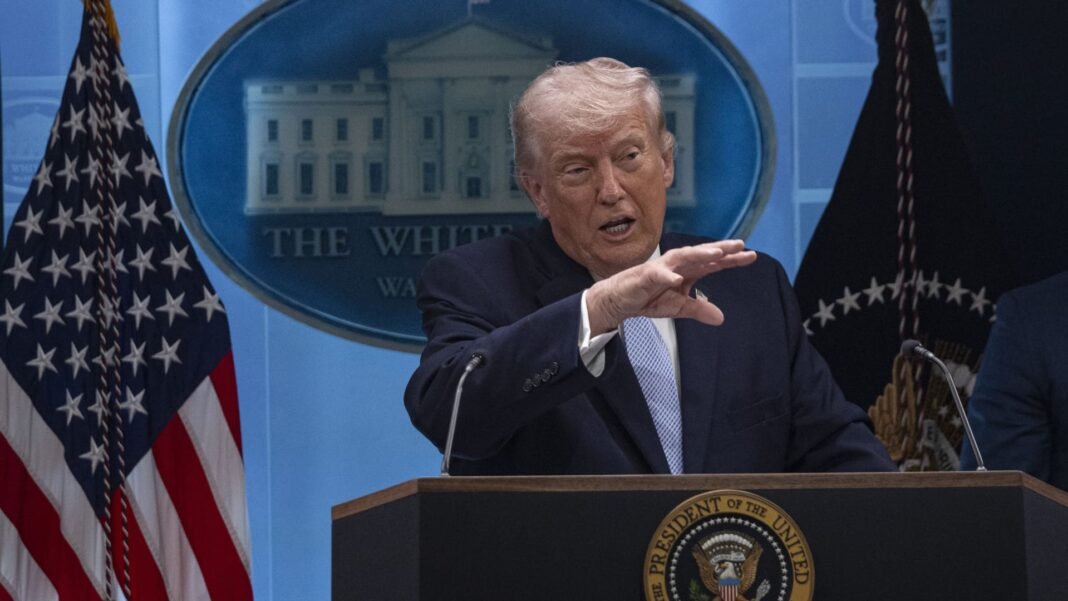
Earlier this week, President Donald Trump suggested that despite current tensions, Iran’s ceasefire offer could serve as a basis for future diplomatic talks.
In contrast, Vice president JD Vance addressed these allegations during his visit to Hungary by highlighting the complexities involved in maintaining ceasefires and specifically cited the drone incident as emblematic of these challenges. He reaffirmed Washington’s opposition to any uranium enrichment by Iran and clarified that Lebanon-related issues were not part of existing agreements.
the Influence on Refiners and Market Behavior
With oil prices recently dipping below $100 per barrel levels not seen since early 2023, Janiv Shah-Vice president at Rystad Energy specializing in commodity markets-recommended refiners seize this window by increasing opportunistic purchases while prices remain comparatively affordable.
“Nonetheless,” Shah cautioned, “delaying procurement in anticipation of further price declines amid ongoing physical supply constraints could worsen product shortages even if geopolitical tensions subside.”
Supply Chain Fragility Under Political Pressure
The intricate interplay between political events and energy market stability remains apparent as interruptions along critical shipping lanes or production hubs can rapidly cascade through global supply chains. For instance, recent disruptions near Yantai port in China’s Shandong province-a major crude offloading site serving Asia-Pacific refineries-highlight vulnerabilities affecting regional fuel availability.
Navigating Future Volatility with Strategic Awareness
- diplomatic observers: Should closely track evolving negotiations given their direct impact on oil price movements amid fragile peace efforts across volatile regions like the Middle East.
- Refiners: Must adopt flexible purchasing strategies that balance short-term cost savings against risks posed by mid-term supply interruptions stemming from political flare-ups or logistical hurdles.
- Investors: Need to factor sudden incidents such as drone incursions or military confrontations into risk assessments due to their potential for triggering swift fluctuations across spot and futures oil markets worldwide.
A Contemporary Illustration: Renewed Strait of Hormuz Pressures
The Strait of Hormuz continues as a pivotal chokepoint where historical conflicts have caused dramatic surges in oil prices owing to threats against tanker navigation routes-a stark reminder that even minor provocations can substantially disrupt global energy security today just as they did during past decades’ crises involving naval posturing or sanctions targeting Iranian exports specifically.