



OpenAI and Anthropic Compete for Dominance in AI-driven Coding Assistants
The rivalry between OpenAI and Anthropic to create the most advanced AI coding assistants is heating up, with Anthropic currently making notable strides. Their solution, Claude Code, has rapidly gained popularity among businesses aiming to automate complex workflows. Despite this surge, OpenAI remains committed to regaining its top position by continuously refining its own suite of tools.
revolutionizing Automation: OpenAI’s Codex Background Operations
Recently, OpenAI introduced a significant update to Codex that greatly expands its functionality. A key innovation allows Codex to operate silently in the background on users’ machines. This enables it to autonomously launch applications and execute tasks by mimicking mouse movements and keyboard inputs without disrupting ongoing user activities.
this multi-agent system can run several processes simultaneously on a mac while users remain focused on their primary work. Such capabilities are ideal for automating repetitive tasks like rapid frontend iterations, automated software testing, or interacting with legacy applications lacking APIs-tasks that traditionally demanded manual intervention.
Agent-Based Automation: Elevating Developer Efficiency
The introduction of agentic features highlights OpenAI’s goal not only to match but surpass competitors by embedding Codex deeper into enterprise workflows. These autonomous agents relieve developers from routine chores by managing secondary operations independently, thereby boosting overall productivity.
Anthropic’s Innovations Mirror Industry Trends
The recent enhancements in Codex bear resemblance to earlier advancements made by Anthropic with Claude Code. As a notable example,last month Anthropic rolled out remote control capabilities enabling their AI tools-Claude and Cowork-to manage Macs even when users are away from their keyboards.
Integrated Web Browsing Enhances Interactive Development
An exciting addition within Codex is an embedded browser that lets users command the AI directly through web interfaces. This feature benefits front-end engineers and game developers who require automated interactions with web-based applications during iterative development cycles. Plans are underway to extend this browsing capability beyond local environments into broader internet contexts for more versatile use cases.
Memory Retention and Visual Content Creation Capabilities
An experimental memory function now allows Codex to recall information from previous sessions-customizing responses based on individual user preferences or project histories-which facilitates smoother transitions across work periods.
Additionally, image generation features have been integrated into the toolset enabling automatic creation of conceptual visuals such as product mockups or presentation graphics-a valuable resource for teams needing quick design prototypes without relying on dedicated graphic designers.
Diverse Plugin Integrations Expand Workflow Connectivity
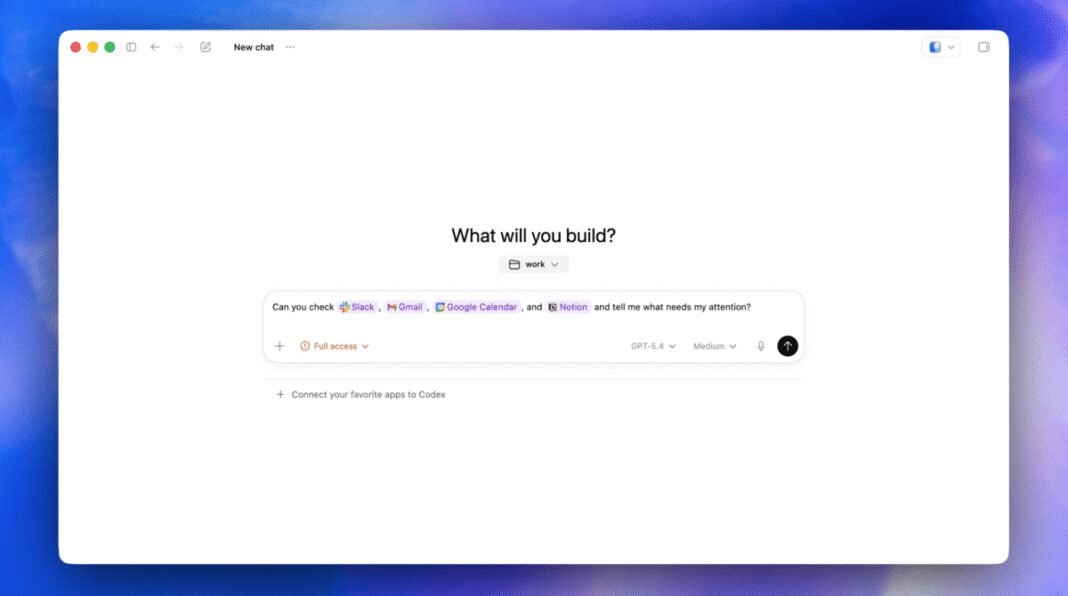
To further enhance user experience, OpenAI launched 111 new plugin integrations connecting Codex with widely used platforms including CodeRabbit and GitLab Issues. These plugins enable seamless cross-platform task management-for example, analyzing Slack conversations alongside Google Calendar events automatically generates prioritized daily task lists tailored for each user’s workflow.
A Dynamic Pricing Structure Designed for Enterprise Needs
Aware of diverse organizational requirements, OpenAI introduced a flexible pay-as-you-go pricing model aimed at ChatGPT enterprise clients heavily utilizing Codex services but seeking billing options aligned closely with actual usage patterns rather than fixed fees.
Evolving Dynamics Within the AI Development Sector
Once viewed as an unrivaled pioneer in artificial intelligence innovation, OpenAI has recently shifted focus toward delivering enterprise-grade solutions after scaling back consumer-facing products such as social video apps like Sora 2. Alongside mounting competition from companies like Anthropic comes increased attention regarding ethical implications; lawsuits have surfaced alleging negative mental health impacts linked to ChatGPT use among vulnerable populations-a challenge confronting many organizations deploying powerful AI technologies today amid growing regulatory scrutiny worldwide.


