



Escalating Fatalities in Gaza Amid Fragile Ceasefire Conditions
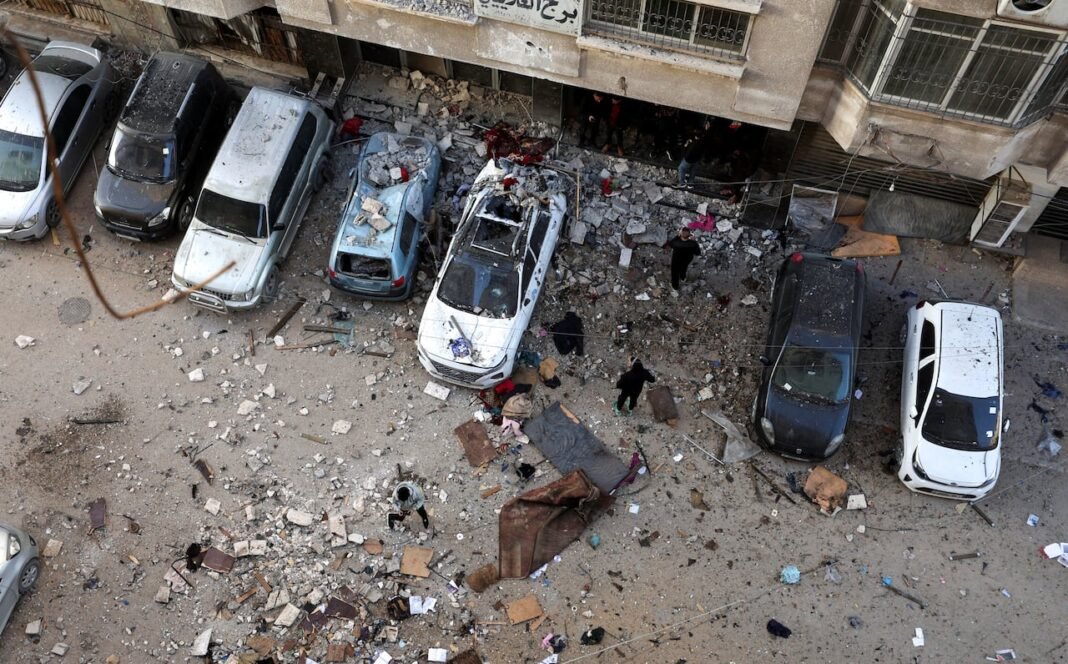
Recent Israeli air raids have tragically claimed the lives of at least 30 Palestinians, marking one of the deadliest days since a ceasefire was brokered in October to curb ongoing hostilities. Hospitals throughout Gaza are overwhelmed with casualties, highlighting the precariousness of the current truce.
Over 520 Palestinian Deaths Reported since Ceasefire Initiation
The Gaza Health Ministry has documented more than 520 Palestinian fatalities linked to Israeli military operations since the ceasefire took effect late last year.This alarming statistic underscores persistent violence despite diplomatic attempts to maintain peace.
Saturday’s Airstrikes: Civilian Toll and Targeted Areas
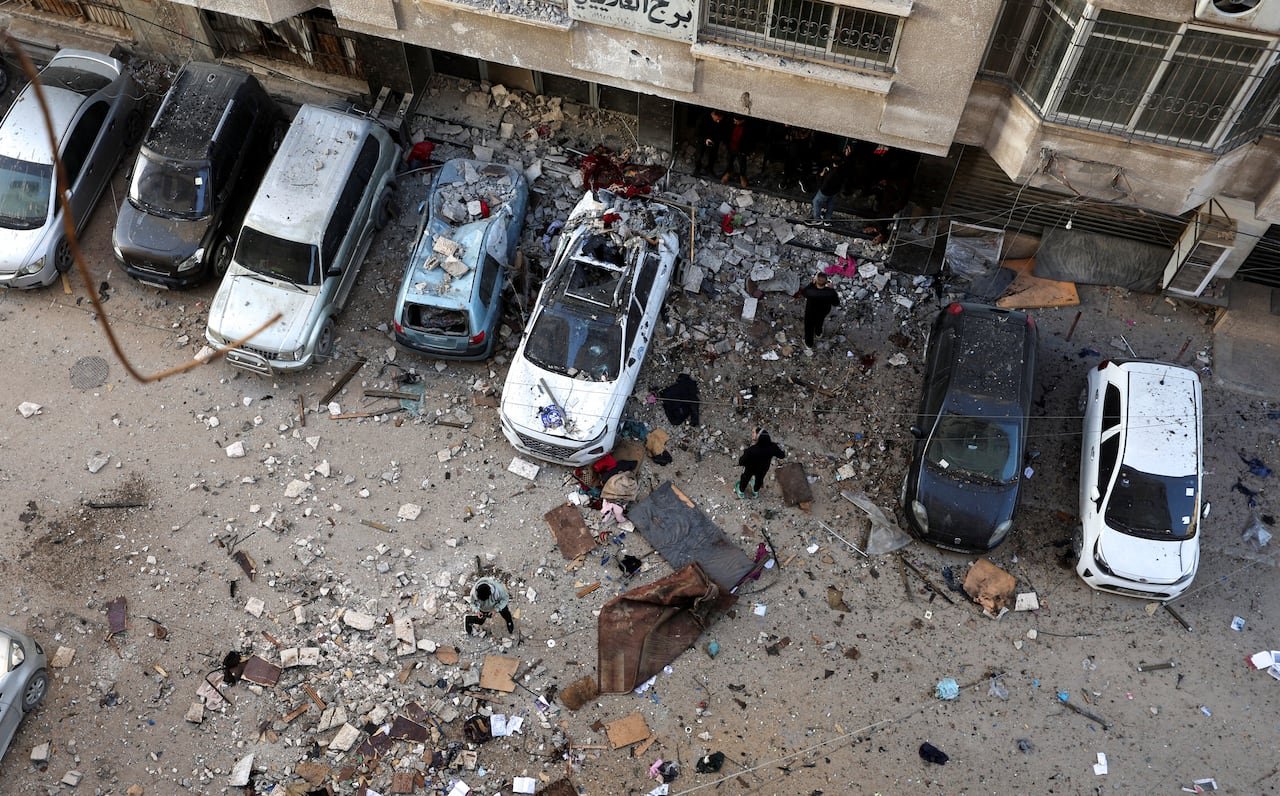
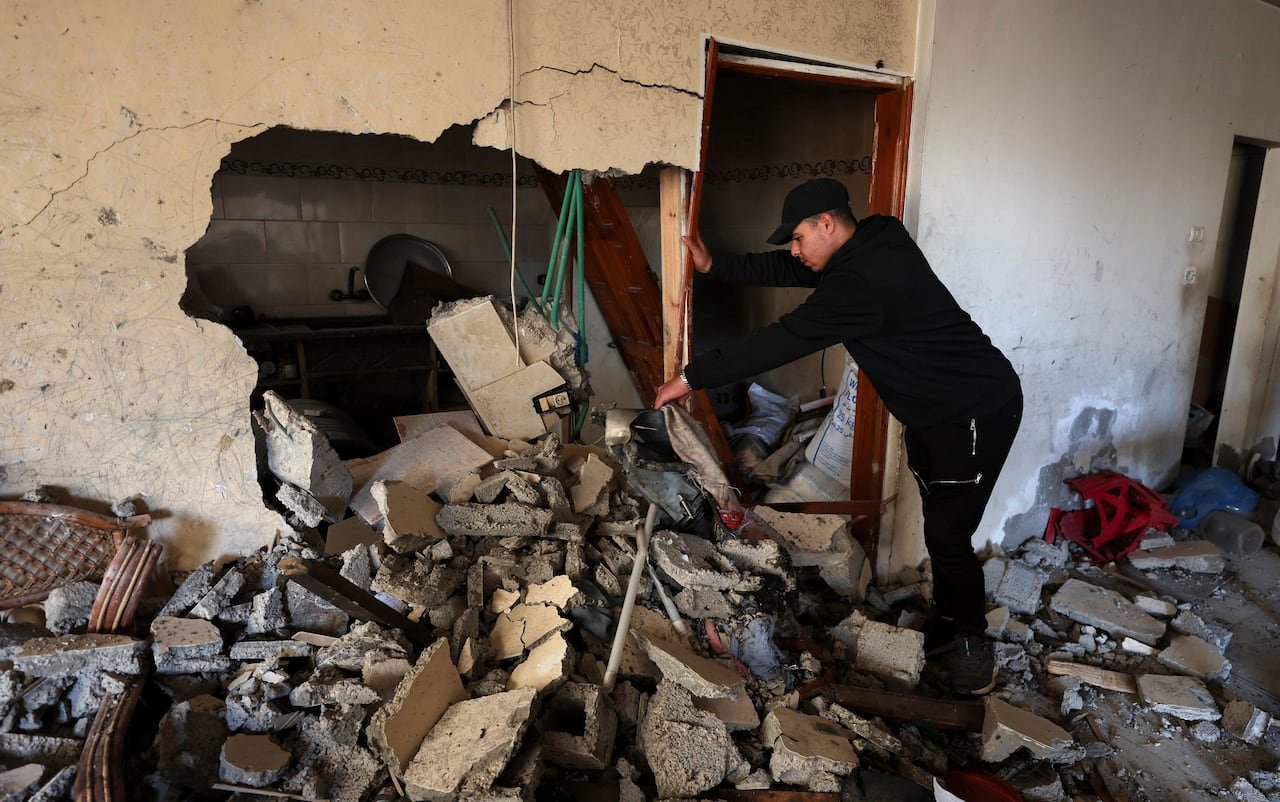
The most recent bombardments struck various sites across Gaza, including a residential building in Gaza City and a tent encampment near Khan Younis. Medical personnel confirmed that among those killed where two women and six children from different families. An additional strike on a police facility resulted in at least 14 deaths, encompassing officers and detainees alike.
Nasser Hospital reported that a fire triggered by an attack on the tent camp caused seven fatalities within one extended family-a father,his three children,and three grandchildren. Meanwhile,Al-Shifa Hospital verified that three children along with their aunt and grandmother died during the assault on the apartment complex.
Contrasting Narratives: Military Statements Versus Local Reports
The israeli Defense Forces asserted these strikes targeted Hamas commanders and Islamic Jihad operatives following alleged breaches of the U.S.-mediated ceasefire agreement. While Hamas controls nearly half of Gaza’s territory,it accused Israel of violating ceasefire terms without acknowledging any casualties among its own ranks during Saturday’s attacks.
Civilians Endure Amid Rising Violence
“I found my three young nieces lifeless on the street,” recounted Samer al-Atbash as he mourned relatives lost amid ongoing calls for peace. The mounting death toll reveals how civilians remain caught in harm’s way even as diplomatic efforts strive to stabilize conditions.

The Strategic Importance of Rafah Crossing Amid Blockades
The timing of these strikes coincides with plans to partially reopen Rafah crossing-the only border point between southern Gaza and Egypt-after months-long closures throughout much of this conflict period. This passage is crucial for thousands seeking medical treatment outside overwhelmed or damaged Gazan hospitals.
Obstacles Facing Ceasefire Progression Phases
This reopening represents advancement into subsequent phases outlined by international mediators aiming not only to restore movement but also tackle complex challenges such as demilitarization after nearly two decades under Hamas rule. Establishing new administrative bodies responsible for reconstruction remains another notable hurdle ahead.
“The reopening offers hope but also highlights how much work lies ahead before sustainable peace can be realized.”
Violence Persists despite truce Efforts
- As October’s truce began, over 500 Palestinians-predominantly civilians-have died due to Israeli military actions according to local health authorities;
- Palestinian militants have reportedly killed four Israeli soldiers during this timeframe;
- An incident near Rafah involved Israeli forces killing three gunmen emerging from tunnels while capturing another identified as a key militant leader;
Tensions continue unabated with both parties accusing each other of breaching ceasefire agreements even as global stakeholders push toward comprehensive peace accords designed to end years-long conflict definitively.
;)
Main Challenges: Disarmament debates & political Recognition Stalemate
The next phase proposed under U.S.-led initiatives involves contentious issues such as disarming Hamas-a demand firmly rejected by its leadership-as well as further withdrawal measures by Israel coupled with plans for deploying international peacekeepers tasked with maintaining post-conflict stability.
This political deadlock is intensified by divergent perspectives regarding Palestinian statehood recognition; despite growing global support-including endorsements from several european nations-the current Israeli government remains opposed.
This impasse complicates prospects for durable solutions amid worsening humanitarian crises unfolding daily across communities within Gaza’s borders.

