Unexpected Resignation of U.S. navy Secretary Amid Rising Iran Tensions
The Pentagon has abruptly announced the immediate resignation of U.S. Navy Secretary John Phelan, marking a meaningful leadership change during President Donald Trump’s second term. This departure is part of a broader wave of high-level exits within the defense establishment over recent months.
Strategic Timing: Phelan’s Exit During Naval Blockade Enforcement
Phelan’s resignation occurs at a pivotal moment as the United States intensifies its naval blockade on Iranian ports, aiming to exert maximum pressure on Tehran amid fragile ceasefire conditions in regional conflicts.The Navy has escalated operations targeting vessels suspected of supporting iran across global maritime routes, signaling heightened vigilance in key strategic zones.
No official explanation was provided for Phelan’s sudden departure, which aligns with an ongoing pattern of abrupt personnel shifts within the Pentagon since early 2025.
Recent Overhaul in Military Command Structure
This development follows Defense Secretary Pete Hegseth’s dismissal of several senior military leaders, including Army General Randy George and Navy Admiral Lisa Franchetti. These changes reflect an internal push to realign defense priorities under Trump’s governance and reshape top military leadership.
Just hours before stepping down, Phelan addressed hundreds at the annual Navy conference in Washington D.C., discussing future naval strategies and budget proposals with congressional representatives.
Interim Leadership: Undersecretary Hung Cao Assumes Role
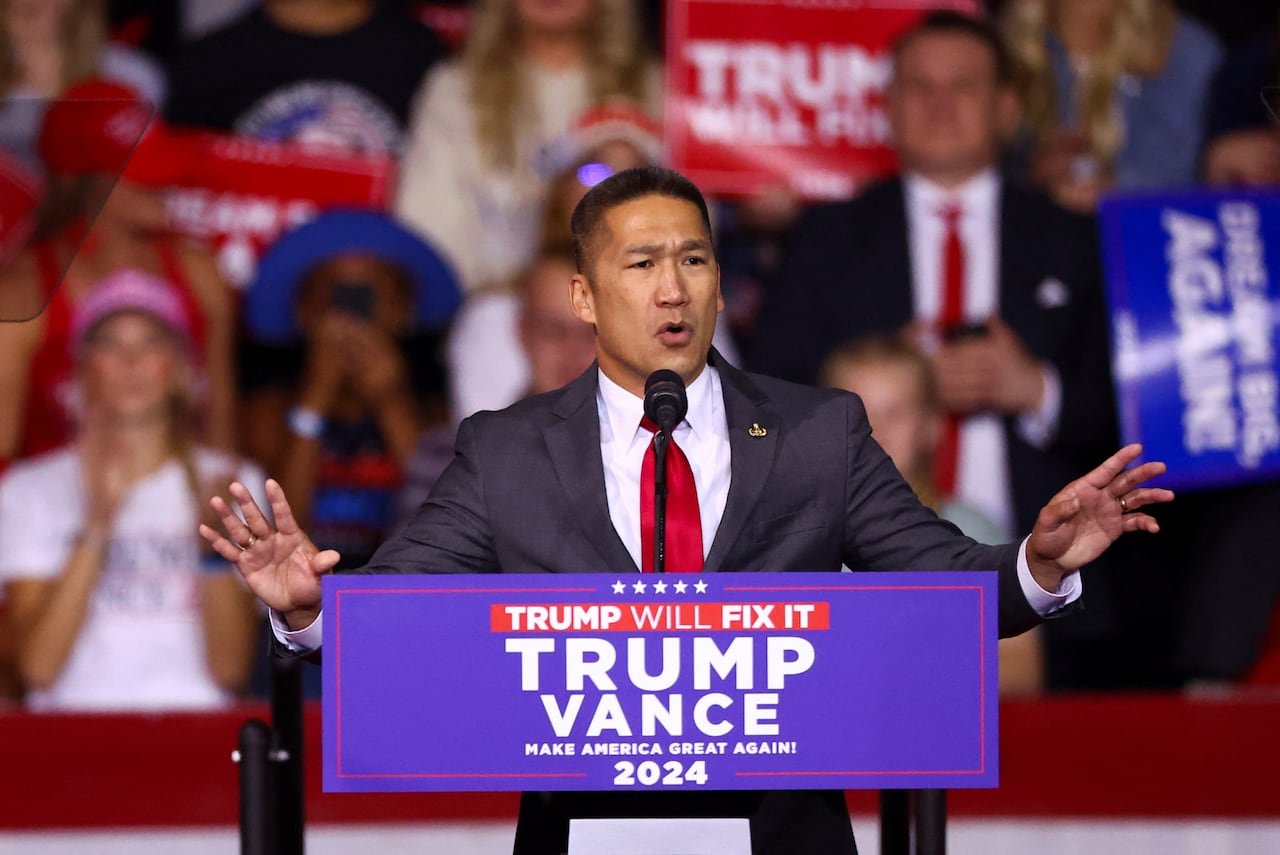
The acting secretary role now falls to Undersecretary Hung Cao, a former special operations officer with 25 years’ experience in naval combat missions. cao previously ran unsuccessful campaigns for Congress and Senate seats in Virginia and is recognized for his strong backing from Trump loyalists as well as his contentious views on military culture and policy reform.
A Closer Examination of John Phelan’s Career Path
Phelan entered office without prior direct experience either militarily or civically within any armed service branch but was appointed largely due to his significant financial support for Trump’s campaign and reputation as an outsider poised to reform naval operations. His professional background centers around founding Rugger management LLC, specializing in private equity investments.
His only tangible connection to defense affairs came through advisory roles with Spirit of America-supporting aid programs focused on ukraine and Taiwan amid escalating global security challenges.
navy Operations Expand Amid Global Instability
The U.S. navy currently deploys three aircraft carriers positioned or en route toward Middle Eastern waters amid rising tensions near Iran. The administration has emphasized readiness across all branches should diplomatic efforts collapse entirely into renewed conflict scenarios.
- The Caribbean Sea remains another critical zone where naval forces conduct anti-narcotics patrols aimed at disrupting drug trafficking networks operating through international waters.
- This year also saw significant covert involvement by the Navy during operations leading up to detaining Venezuelan leader Nicolás Maduro-demonstrating its growing role beyond traditional maritime engagements.
“A naval blockade entails intercepting ships attempting passage without necessarily engaging them directly,” explains retired Canadian Vice-Admiral Mark Norman.
“The operation relies heavily on warnings or boarding actions often conducted via helicopters-a complex mission fraught with operational risks.”
Profile: Acting Secretary Hung Cao’s Controversial Political Views
Cao arrived in America as a vietnamese refugee child before excelling academically at Thomas Jefferson High School for science & Technology followed by graduation from the U.S. naval Academy. His military career included deployments with SEAL teams across Iraq, Afghanistan, and Somalia before retiring as captain from special operations forces.
Cao attracted attention during political campaigns by opposing COVID-19 vaccine mandates within military ranks while criticizing diversity initiatives aimed at inclusion efforts throughout armed services-stances closely aligned with policies dismantled during Trump’s tenure nationwide.
Cao once remarked:
“When recruitment prioritizes drag queens promoting diversity rather of warriors prepared for combat-that undermines our fighting spirit.”
- During debates against Democratic figures such as Senator Tim Kaine, he questioned ongoing financial aid commitments toward Ukraine citing concerns about national debt projected to surpass $35 trillion by mid-2026-partly fueled by foreign engagements financed through borrowing from China.*Based on Congressional Budget Office estimates*
Navigating future Challenges Amid Leadership Transition
This leadership shift unfolds against volatile geopolitical flashpoints-especially around strategic chokepoints like the Strait of Hormuz where recent seizures have provoked threats from Iran promising retaliation after American interdictions targeting cargo shipments suspected under sanctions violations or ceasefire breaches.< / p >

< figcaption >U.S.Navy seizes Iranian cargo vessel amid escalating tensions
< p >As these events rapidly evolve , questions remain regarding how new leadership will guide this crucial branch-not only vital militarily but symbolic during turbulent times . Balancing operational readiness alongside shifting political directives will be essential moving forward .