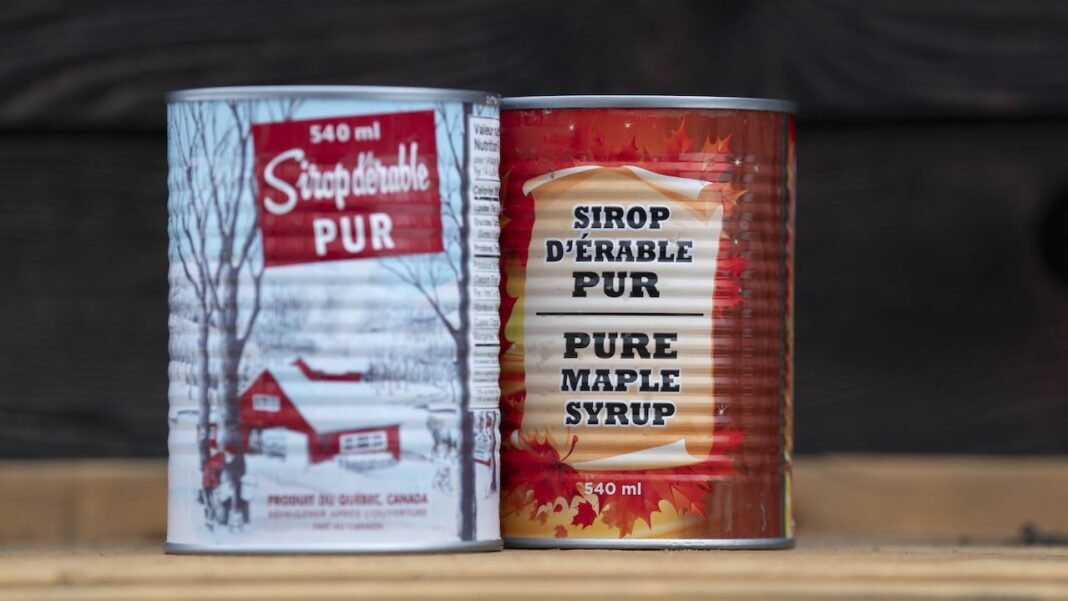
Quebec Maple Syrup Producer Faces Class-Action Lawsuit Over Adulteration Allegations
Examination Uncovers Cane Sugar in Products Marketed as Pure Maple Syrup
An investigation has revealed that a Quebec-based maple syrup manufacturer has been distributing products containing at least 50% cane sugar, despite labeling them as pure maple syrup. This discovery has led to a class-action lawsuit filed in the Quebec Superior Court against the company known as “Érablière Steve Bourdeau.”
Legal Claims and Consumer Deception
The lawsuit targets 9227-8712 Québec inc., located in Saint-Chrysostome within the Montérégie region southwest of Montreal, accusing it of misleading consumers by promoting its syrup as authentic and locally sourced when it was not. The claim highlights that millions of Canadian customers have been affected by this misrepresentation.
Laboratory analyses conducted on five different samples purchased from retail outlets confirmed important adulteration wiht cane sugar. Plaintiffs are seeking $100 per consumer who bought these products up to April 7, 2023, as compensation for damages.
Extent of Distribution and Sales Volume
Steve Bourdeau disclosed that his company sold several hundred thousand cans last year alone. His products are widely available across major grocery chains in Quebec and ontario, including Metro, Farm Boy, and IGA.
The ProducerS Position on the Controversy
Bourdeau admitted there might be issues related to suppliers but denied any deliberate tampering with his maple syrup. He indicated intentions to investigate further but expressed hesitation about recalling or replacing existing stock on shelves due to rapid product turnover.
Retailers’ Response Following Public Disclosure
In response to these revelations, multiple grocery stores promptly removed implicated cans from their inventory and urged customers to return unopened containers for refunds. A representative from Metro confirmed swift action was taken once they were informed about the situation.
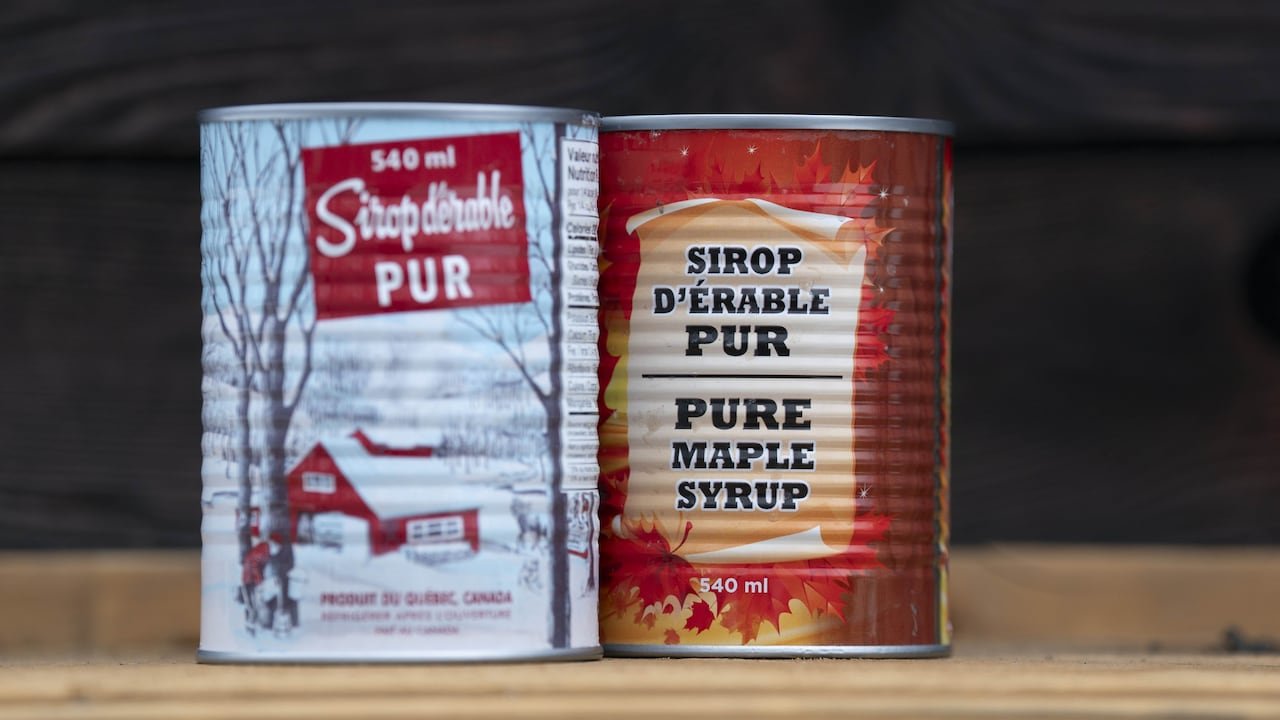

Food Fraud Challenges Within Canada’s Maple Syrup Sector
This case underscores persistent difficulties surrounding food authenticity enforcement where financial incentives tempt some producers into adulterating premium commodities like maple syrup. Canada annually exports over 70 million kilograms valued above $600 million CAD-making it one of the largest global suppliers vulnerable to fraudulent practices affecting both domestic buyers and international markets alike.
- economic consequences: Food fraud erodes consumer trust and inflicts considerable financial harm upon legitimate producers committed to maintaining high-quality standards.
- Consumer safeguards: Regulatory agencies increasingly utilize advanced chromatographic testing methods designed to detect additives such as corn or cane sugars masquerading as natural sweeteners within food products.
- Sustainability implications: Genuine production supports local economies reliant on sustainable forestry management closely linked with traditional sap harvesting techniques unique to regions like Montérégie.
A Call for Increased Awareness Among Consumers and Retailers
This incident serves as a crucial reminder for shoppers aiming for authentic goods: verifying certifications such as “100 % pure” labels supported by traceability systems is essential amid rising global incidents involving counterfeit foods disguised under trusted brands or regional identities.
“Transparency is fundamental; misleading claims not only breach legal standards but also undermine decades-long consumer confidence,” emphasized an expert familiar with Canadian agricultural regulations (paraphrased).