Oklahoma Rejects Proposal to Raise Minimum Wage to $15 by 2029
Understanding the Defeat of State Question 832
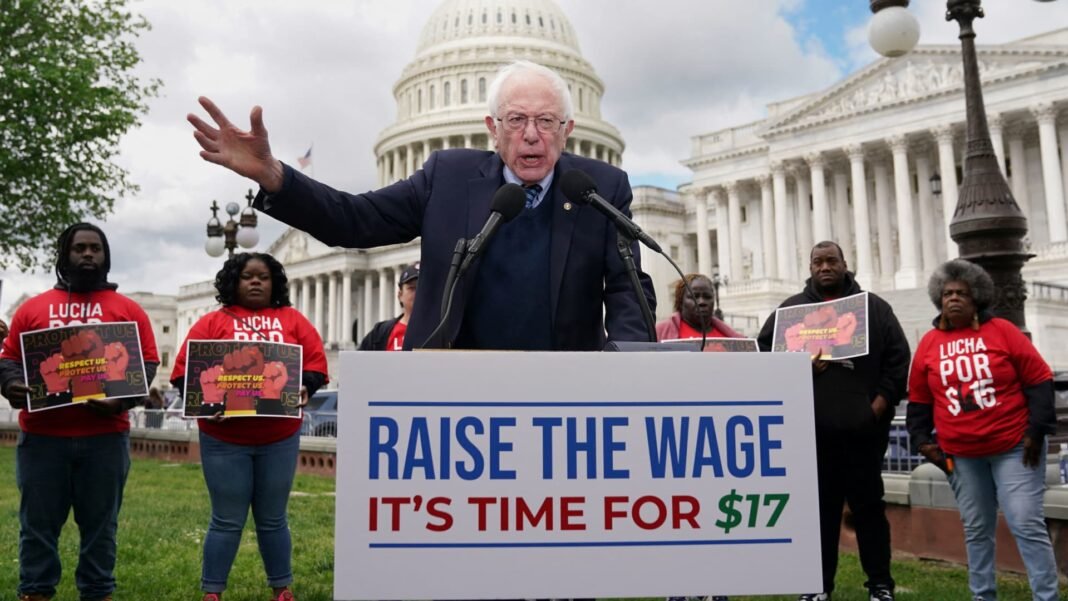
Oklahoma voters recently turned down a ballot measure that sought to increase the state’s minimum wage to $15 per hour by 2029. Known as State Question 832 (SQ 832), this initiative proposed raising the current federal minimum wage of $7.25-unchanged in Oklahoma for nearly two decades-to $12 starting in 2027, followed by annual increments of $1.50 until reaching $15.
Divergent voting Trends Across Oklahoma
The proposal was rejected by roughly 55% of participants,with about 45% voting in favor. Support largely came from metropolitan areas such as Oklahoma County (home to Oklahoma City), Tulsa County, and Cleveland County, all endorsing the increase. Conversely, rural counties overwhelmingly opposed SQ 832, underscoring a clear urban-rural divide rooted in contrasting economic priorities and realities within the state.
Opposition Voices Emphasize Economic Concerns
Critics hailed the vote outcome as a win for small businesses and economic stability across diverse communities. Governor Kevin Stitt voiced apprehensions that elevating wages beyond even California’s levels could strain local enterprises and rural economies alike.
“Government mandates should not interfere with private business decisions,” Stitt stated.
“This measure risked placing Oklahoma’s minimum wage above California’s-potentially devastating our small business landscape.”
The president and CEO of the State Chamber of Oklahoma echoed these concerns:
“Oklahomans opted to maintain affordability-a vital competitive edge-and safeguard our economic momentum without imposing sweeping regulations that could hinder job growth.”
The Economic Arguments Behind Resistance
A key point raised by opponents centered on preserving Oklahoma’s relatively low cost of living-estimated at approximately 14% below the national average. They warned that sharp increases in wages might spark inflationary effects, driving up prices for everyday goods and services statewide.
A Closer Look at Affordability Challenges Faced by Workers
Supporters countered these claims by emphasizing how stagnant wages have failed to keep pace with rising expenses such as groceries, fuel costs, housing rents, and healthcare premiums-all essential expenditures increasingly outstripping earnings among minimum wage workers.
“With gasoline prices fluctuating near historic highs and rent steadily climbing over recent years,” said Labor Commissioner Leslie Osborn,
“many Oklahomans earning minimum wage struggle just to meet basic living costs.”
The Impact of Election Timing on Voter Turnout
Certain critics highlighted strategic factors influencing voter participation: holding this importent vote during primary elections typically results in lower turnout compared with general elections held later in November. Only about 26% of registered voters cast ballots on SQ 832-approximately 630,000 Oklahomans.
“this defeat does not represent all Oklahomans’ views but reflects an election date chosen strategically by politicians aligned with special interests who spent over two million dollars opposing this initiative through undisclosed funding campaigns,” claimed Raise the Wage Oklahoma activists after results were announced.
A shift from Past National Trends on Minimum Wage Increases?
This rejection contrasts sharply with previous nationwide trends where minimum wage hikes passed decisively across many states-from conservative-leaning Missouri and nebraska approving increases near or above $15 per hour-to progressive states like California until recently maintaining strong support.
The last decade witnessed every one of 25 statewide ballot initiatives between 1996-2022 successfully raising minimum wages nationwide.
Lately however,some traditionally liberal states including California and Massachusetts have seen similar measures fail amid growing concerns about inflationary pressures linked directly or indirectly to mandated pay raises.
an Emerging Political Undercurrent?
This result may reflect a broader resistance against expansive progressive policies within deeply conservative regions like Oklahoma-a state which also recently rejected marijuana legalization efforts while narrowly approving Medicaid expansion several years ago-indicating complex political dynamics at play beyond just labor issues.
The Future Landscape for Minimum Wage Campaigns Across America
No new statewide proposals regarding minimum wage adjustments are currently slated for upcoming ballots as mid-2026 approaches; though given their ancient frequency averaging roughly one referendum annually as around 2016 nationwide-the next campaign is highly likely imminent elsewhere across U.S. political arenas.
the forthcoming votes will attract considerable attention nationally because they often serve as indicators reflecting workers’ attitudes toward prevailing economic conditions-including inflation rates lingering near multi-decade highs-and ongoing debates surrounding labor market recovery following global pandemic disruptions affecting employment patterns worldwide.