Intensifying Humanitarian Emergency in Colombia Amid Persistent Armed Strife
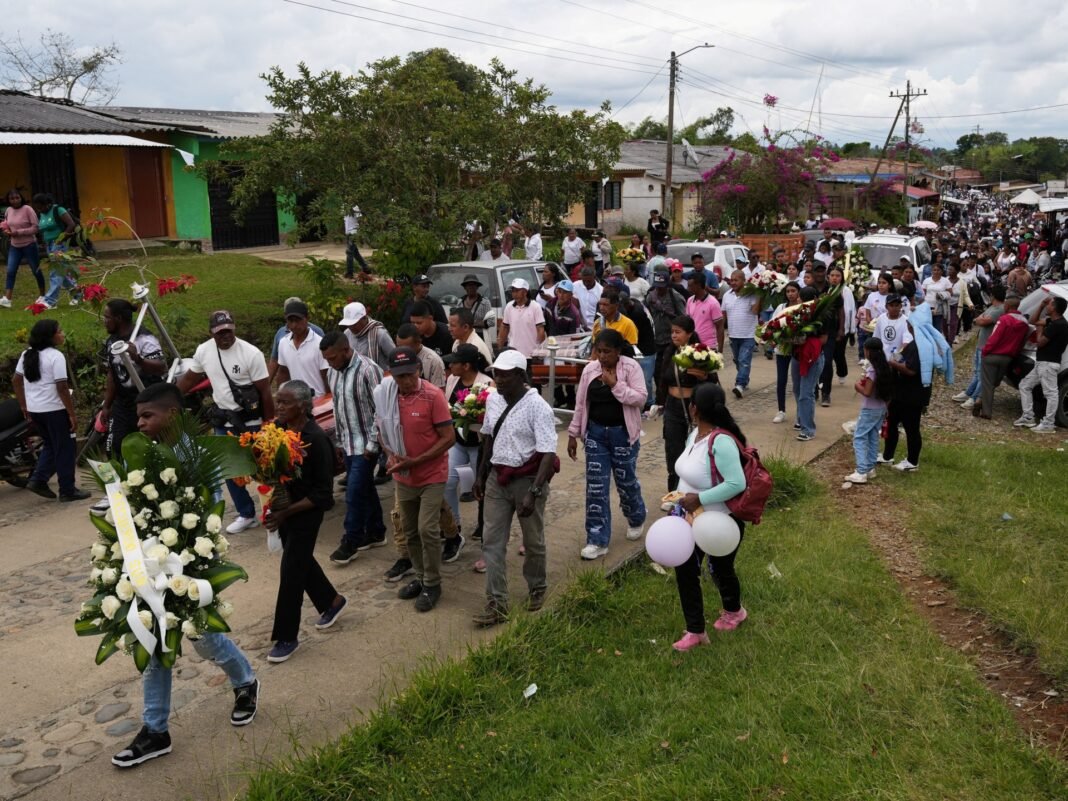
Colombia’s longstanding internal conflict continues to devastate civilian populations,wiht recent statistics revealing a dramatic rise in displacement,disappearances,and injuries caused by explosive devices. The year 2025 has been identified as the most severe humanitarian crisis in over a decade.
Historical Roots and Fragmentation of Armed Groups
The Colombian conflict dates back to 1964 and involves a complex web of actors including leftist guerrillas,right-wing paramilitary forces,criminal syndicates,and government troops. A landmark event occurred in 2016 when the Revolutionary Armed Forces of Colombia (FARC), the largest insurgent faction on the left, signed a peace agreement and laid down arms.
However, this accord failed to secure lasting tranquility. Instead, it triggered splintering within armed groups as dissident factions rejected disarmament. These breakaway cells continue battling for dominance over territories rich in illicit economies such as narcotics trafficking corridors and illegal mining zones.
Civilian Hardships: Rising Displacement and Movement Restrictions
The latest reports indicate an alarming surge in forced displacement during 2025-over 235,000 people were uprooted due to escalating violence-doubling figures from the previous year-with nearly half concentrated solely within Norte de santander.Additionally, mass displacements affected upwards of 87,000 individuals across multiple regions.
Many rural communities have endured near-complete lockdowns amid clashes between rival factions. The number of small villages experiencing restricted mobility has nearly doubled compared to prior years. This severely hampers access to schools, agricultural work vital for food security, healthcare facilities, and other essential services.
The Growing Threat from Explosive Devices
An unsettling increase has been recorded in casualties caused by explosive weapons such as landmines and improvised drones deployed during confrontations between armed groups. Approximately 965 civilians were either killed or injured by these devices last year-a rise exceeding one-third compared with earlier data.
This persistent danger fosters widespread fear among local populations who often remain confined indoors for safety reasons. Such limitations exacerbate economic difficulties by disrupting farming cycles and restricting access to markets where families sell crops or purchase necessities.
Broader Social Impacts Beyond Immediate Violence
“The crisis extends beyond physical attacks; it deeply disrupts social fabric,” explains an ICRC representative.
“Communities face eroded trust due to ongoing insecurity; livelihoods are shattered; scarcity of basic goods intensifies poverty cycles.”
This breakdown of community cohesion threatens long-term recovery efforts as neighbors grow distrustful while critical infrastructure remains damaged or inaccessible across many affected areas.
Divergent Political Approaches: Peace Talks Versus Security Measures
The election of Gustavo Petro-the nation’s first former rebel leader turned president-in 2022 sparked hopes for transformative change through his “total Peace” initiative focused on dialogue with armed actors rather than exclusive reliance on military force.
This strategy aims at enduring violence reduction while addressing root causes like inequality and social exclusion that perpetuate conflict dynamics. Nonetheless critics contend that leniency may embolden violent groups instead of deterring them effectively.
- Conservative opposition: Calls for stricter security policies promising decisive crackdowns against insurgents ahead of elections scheduled for May;
- Liberal supporters: Advocate continued negotiations under Total Peace despite intermittent attacks nationwide;
- Civil society organizations: Emphasize balancing immediate protection needs with long-term reconciliation essential for durable peace;
Elections Amidst security Challenges
The political arena remains sharply divided over how best to restore stability throughout Colombia’s rural regions still plagued by decades-old violence.
candidates like Iván Cepeda promote peaceful engagement strategies while rivals such as Abelardo de la Espriella pledge uncompromising enforcement measures.
De la Espriella stated: “those threatening public order or attacking citizens will face firm consequences.”
Navigating Complex Realities Toward Lasting Resolution
The Colombian conflict exemplifies how protracted warfare evolves beyond conventional battlefields into multifaceted crises impacting millions daily.
Despite formal ceasefires involving major players like FARC years ago,
fragmented armed entities exploit power vacuums leading to intensified civilian suffering.
Addressing this situation demands nuanced approaches combining humanitarian assistance,
security reforms,
and inclusive political dialogue tailored toward rebuilding fractured communities across diverse regions shaped by unique local dynamics.
With new data highlighting worsening trends-such as doubling displacement rates
and rising casualties from explosives-the urgency grows
for comprehensive strategies prioritizing human dignity alongside national stability goals within Colombia’s enduring quest for peace.