Rising Calls to End ICE Amid Growing Controversy
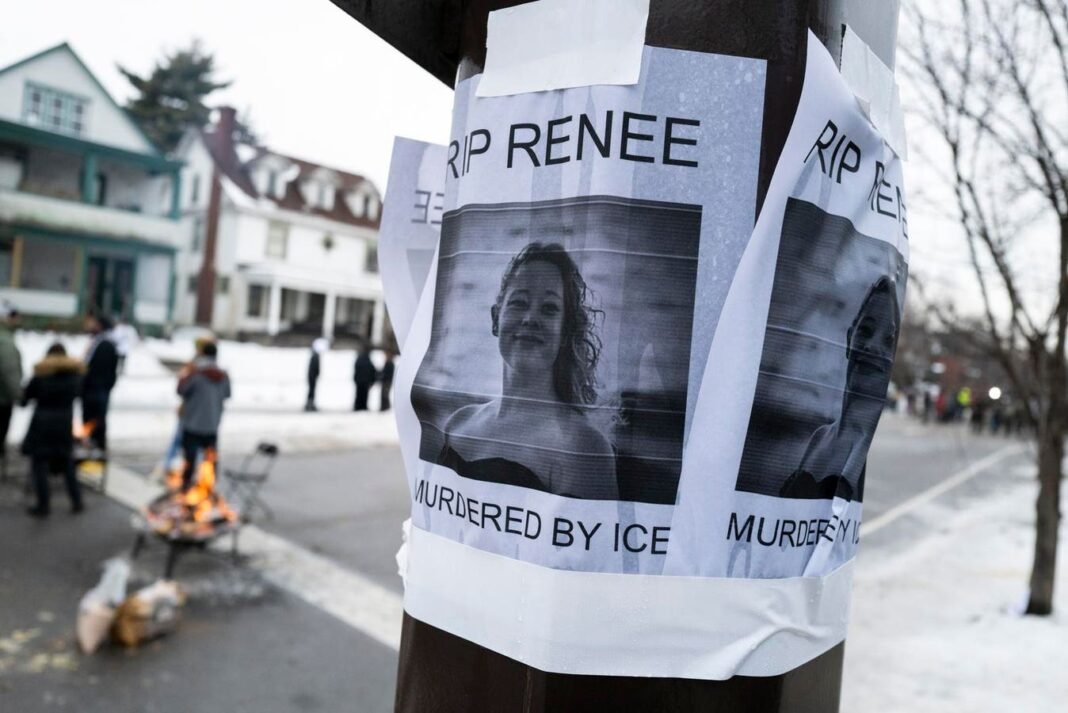
The conversation surrounding Immigration and Customs Enforcement (ICE) has escalated sharply, with an increasing number of Americans urging the agency’s full abolition. This momentum gained traction following the tragic shooting of Renee Nicole Good by an ICE officer, which ignited nationwide protests and intensified scrutiny over federal immigration enforcement methods.
Shifting Public Sentiment Toward ICE
Recent polling data from The Economist and YouGov indicates that 46% of U.S. adults now support dismantling ICE, overtaking the 43% who oppose such measures; 12% remain uncertain. This represents a meaningful jump from mid-2023 when only 27% favored abolishing the agency.
Looking back to 2019, shortly after “Abolish ICE” became a prominent slogan in political discourse, just under one-third (32%) endorsed eliminating the agency despite widespread criticism of its practices. Since then,public backing for abolition has steadily increased.
civiqs polling further highlights this trend: prior to President biden’s inauguration in January 2021, about one-quarter (25%) supported ending ICE.Following Renee Good’s death and subsequent demonstrations-notably large-scale protests in cities like Minneapolis-approval for abolition surged to nearly 42%, reflecting growing dissatisfaction with immigration enforcement tactics at the federal level.
Widespread Criticism Over Enforcement Practices
A YouGov survey conducted soon after Good’s shooting revealed that more than half (52%) of Americans disapprove of how ICE conducts its operations. Additionally, a majority (51%) believe agents frequently resort to excessive force during their activities-a concern echoed by activists and legislators alike.
divergent Congressional Perspectives: Abolition Versus Reform
The response within Congress remains split between advocates pushing for complete elimination of ICE and those favoring reform:
- Representative Shri Thanedar (D-Michigan) is preparing legislation aimed at fully dismantling the agency.
- Representative Scott Peters (D-California),on the other hand,supports enhanced oversight policies designed to reduce unnecessary use-of-force incidents without abolishing ICE entirely.
- Representative Delia Ramirez (D-Illinois) backs efforts to defund parts of ICE as part of broader immigration reform initiatives.
A Congressional Advocate for Ending ICE
“I was among the earliest voices in Congress calling for abolishing ICE,” said Representative Jim McGovern (D-massachusetts). “recent developments have only strengthened my conviction.”
The Spark Behind Nationwide Mobilization: Remembering renee Nicole Good

The fatal encounter involving Renee Nicole Good galvanized grassroots activism across America during what was called “ICE out for good Weekend.” progressive organizations coordinated nearly one thousand rallies nationwide demanding accountability from immigration enforcement agencies. Cities like Minneapolis saw thousands march against what many perceive as violent or unjustified federal law enforcement tactics.
An Expanding National Dialog on Immigration Enforcement
This wave of activism reflects deeper societal concerns about civil liberties violations linked to immigration policing amid ongoing debates over border security policies implemented as Donald Trump assumed office in 2017 through successive administrations today.
The Human Impact Beyond Numbers: Honoring renee Nicole Good’s Legacy
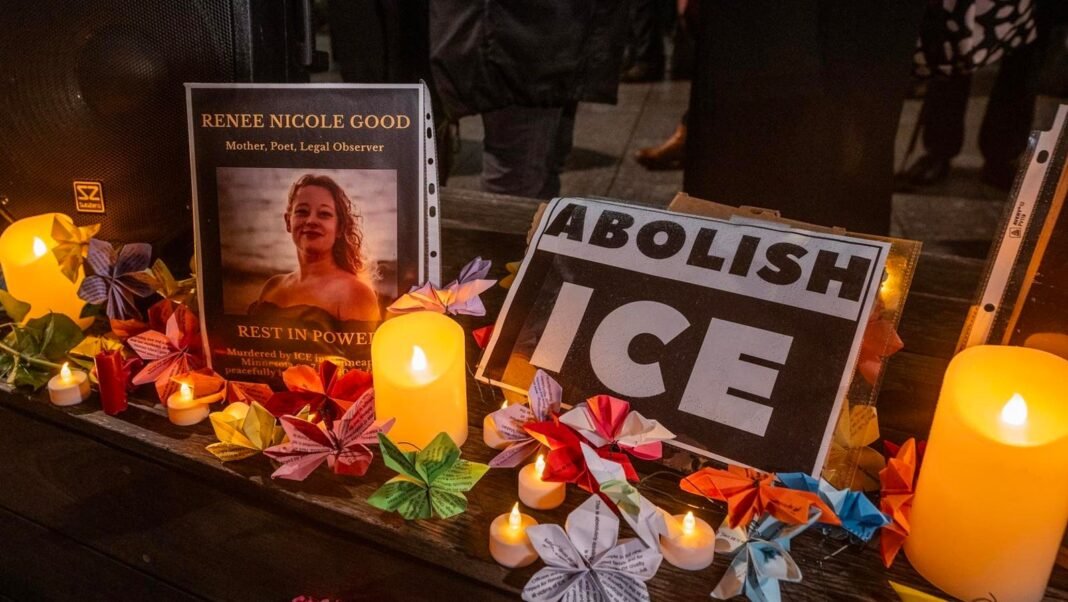
Candles were lit outside numerous U.S embassies worldwide commemorating Renee Nicole Good-a woman whose life ended tragically during an encounter with Immigration and Customs Enforcement agents in Minnesota-bringing personal stories into conversations often dominated by policy discussions and statistics alone.
the Broader Consequences Moving Forward
- This incident raises urgent questions about use-of-force guidelines within federal agencies responsible for immigration control;
- The growing public demand signals possible legislative shifts toward comprehensive reforms or even structural overhaul;
- Lawmaker proposals illustrate contrasting strategies balancing national security priorities against human rights protections;
- Civic engagement continues expanding through coordinated actions emphasizing transparency and justice within government institutions charged with enforcing complex immigration laws.