Reemergence of New World Screwworm Poses Serious Threat to U.S. cattle Sector
Texas Reports New Infections, Raising Cross-Border Transmission Concerns
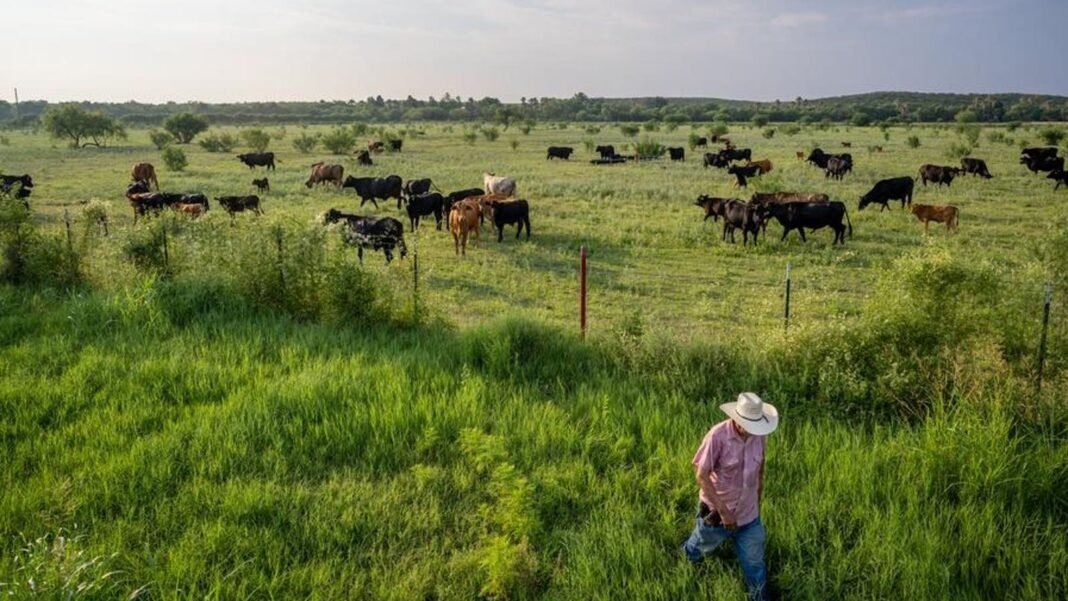
The New world screwworm, a parasitic fly once nearly eradicated from American livestock in the 1960s, has resurfaced in Texas with confirmed infections in four animals, including a dog.This parasite’s larvae invade living tissue of warm-blooded creatures such as cattle, horses, adn deer.Recent cases detected near the U.S.-Mexico border suggest ongoing cross-border transmission routes that experts are closely monitoring.
This resurgence endangers an already vulnerable cattle industry struggling with historically low herd sizes and soaring beef prices.
How the Parasite Operates and Its Effects on Animals
The female screwworm fly lays eggs inside open wounds or natural body openings of animals; even minor skin injuries like insect bites can attract them. After hatching, the larvae consume healthy flesh for about seven days before dropping to soil to pupate into adult flies and continue their reproductive cycle. While primarily targeting livestock and wildlife, recent reports have documented human infestations among travelers returning from endemic areas.
Cross-Border Spread Evident Thru Recent Cases
the first identified infection involved a three-week-old calf near La Pryor, Texas. Subsequent cases appeared in two more cattle and one dog that had recently traveled through Mexico-highlighting concerns over insufficient surveillance allowing unchecked parasite movement across borders.
Economic Impact Amid Declining Herd Numbers
The United States currently holds its smallest cattle population since 1951-approximately 86 million head as of early 2026-with beef production projected to drop nearly 1% next year. Simultaneously occurring, retail beef prices have surged dramatically: ground beef averaged $3.95 per pound at the end of 2020 but climbed to $6.89 by April this year according to Federal Reserve data.
An outbreak could worsen these trends by increasing calf mortality rates and reducing weight gain among mature cattle while damaging hides-all factors that shrink marketable beef supply and push consumer prices higher nationwide.
Historical Lessons From Previous Eradication Efforts
The mid-20th century eradication campaign relied on releasing sterile male flies-a costly initiative equivalent to over $450 million today-that successfully eliminated screwworm infestations throughout southern states. However, isolated outbreaks persisted after eradication; notably one in Texas during 1976 caused economic losses estimated at $1 billion (inflation-adjusted) due to animal deaths and treatment costs.
Challenges in Government Response Heighten Risks
A major setback occurred last year when budget cuts halted surveillance programs targeting screwworm populations across Central America just before resuming Mexican cattle imports without sufficient screening protocols. Industry stakeholders alerted federal agencies about rising infections moving northward but received limited action until domestic cases emerged.
“The USDA’s delayed response depended heavily on partial measures requiring years for full impact,” agricultural officials warned urgently for immediate deployment of all available resources before this escalates into a widespread agricultural crisis.”
current Control Measures Being Implemented
- Cattle quarantines established around infected herds;
- Regional restrictions on livestock movement;
- Sterile male fly releases aimed at interrupting reproduction cycles;
- Baited fly traps deployed along border zones;
- A specialized team exceeding seventy-five personnel managing field operations supported by comprehensive laboratory testing nationwide.
A new sterile insect production facility under construction in Texas is expected to produce up to 300 million sterile flies weekly but will not be operational until at least 2027-meaning current containment efforts rely heavily on traditional methods amid mounting urgency.
International Precautionary Actions Reflect Rising Alarm
- Canada: bans entry of livestock originating from or passing through infected Texan regions within three weeks prior;
- Florida: enacted emergency rules restricting importation of warm-blooded animals from affected areas;
Navigating future Developments: What To Watch For
- The effectiveness of containment strategies employed by USDA and state agencies;
- Status updates regarding expansion or contraction of infection clusters near border regions;
- tightening or easing cross-border livestock trade policies based on outbreak progression;
- The timely completion and activation of advanced sterile insect release facilities enhancing control capabilities;
If left uncontrolled, another large-scale outbreak comparable with past events could inflict economic damages exceeding $1.8 billion nationally-impacting ranchers’ livelihoods while further straining consumer markets already facing record-high beef costs driven partly by global supply shortages linked with climate-related challenges affecting grazing lands worldwide (such as drought conditions reducing Brazil’s export volumes).