Growing Concerns Over Autonomous Vehicles After Duck Fatality in Austin’s Mueller Neighborhood
Safety Questions Emerge Following Incident Involving Self-Driving Car
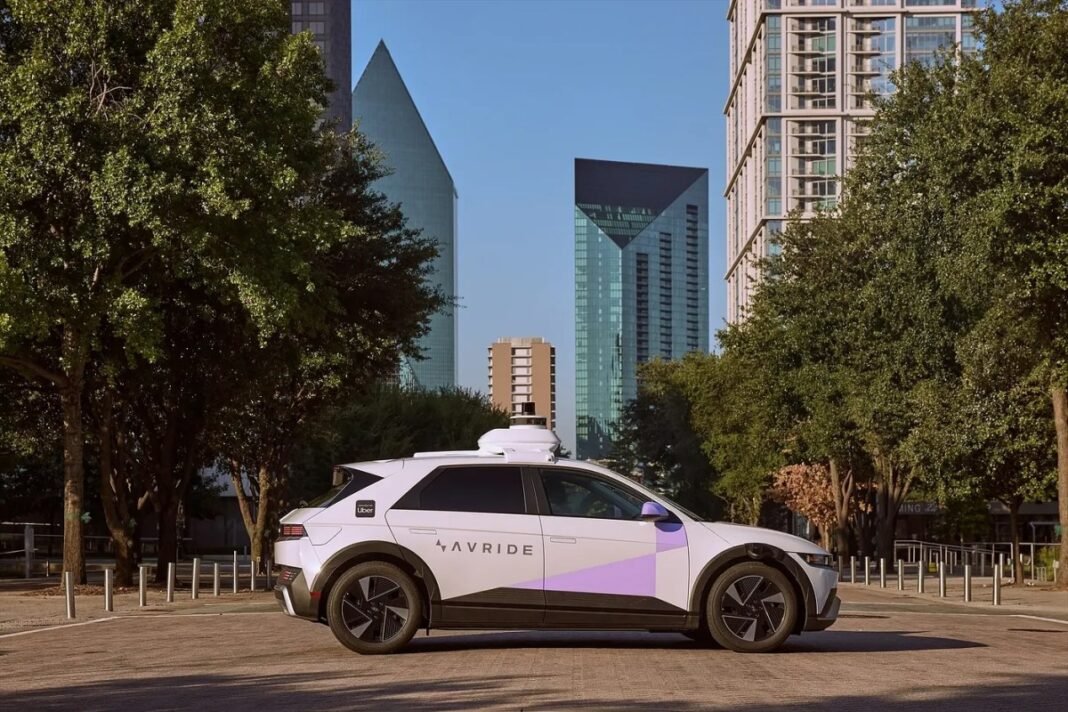
A recent event in Austin’s Mueller neighborhood has sparked intense debate about the safety of autonomous vehicles operating within residential zones. An Avride-operated self-driving car fatally struck a well-known local duck near Mueller Lake, raising alarms among residents who question whether such technology is suitable for navigating areas rich with wildlife and pedestrian activity.
Local Wildlife Connection Amplifies Community Response
the duck involved was a familiar figure to many community members, often seen nesting close to an outdoor dining area of a nearby Italian restaurant. This familiarity heightened public concern after reports surfaced that the vehicle neither slowed down nor stopped upon impact. In response, residents have taken proactive steps by relocating the duck’s eggs into an incubator, demonstrating their dedication to protecting urban wildlife despite challenges posed by emerging technologies.
Disputed Vehicle Compliance Under Inquiry
Allegations also arose claiming the autonomous vehicle ignored a stop sign near the accident site. Avride representatives countered these assertions, stating their data logs confirm all required stops were properly executed and no evidence supports claims of traffic violations. The company conducted extensive reviews using advanced simulation tools to analyze system behavior during the incident.
Operational Changes Implemented by Avride Post-Incident
Although Avride continues testing its autonomous fleet on Austin roads, it has restricted access around specific streets adjacent to Mueller Lake where this collision occured. The company is actively developing software enhancements aimed at preventing similar accidents involving animals or pedestrians while maintaining overall safety standards.
Austin as a Hub for Autonomous Vehicle Trials
Austin remains at the forefront of driverless vehicle innovation beyond just Avride’s efforts.Other industry leaders like Zoox are conducting trials within city limits, while Tesla and waymo-partnered with Uber-offer commercial robotaxi services in select neighborhoods.These deployments illustrate both enthusiasm for technological advancement and ongoing challenges integrating autonomous cars into everyday urban life.
The Broader Challenge: Protecting Urban wildlife Amid Technological progress
this incident highlights wider issues cities face when adapting infrastructure for new technologies while safeguarding local ecosystems. Recent research estimates that over 1 million birds die annually from collisions with vehicles across the United States-a number likely underestimated when considering smaller animals such as ducks or squirrels frequently affected by traffic daily.
“Achieving harmony between technological innovation and environmental conservation demands continuous improvement of AI systems,” experts emphasize as developers integrate more refined object recognition capabilities into self-driving algorithms.”
- Case Study: In Phoenix last year, Waymo updated its software following multiple reports of near-misses involving desert wildlife like coyotes and jackrabbits along suburban routes.
- data Insight: According to 2025 transportation safety statistics, pedestrian-related incidents involving autonomous vehicles remain below 0.01% per mile traveled but continue driving calls for enhanced detection protocols focused on vulnerable road users including animals.
- Civic Initiatives: Nationwide community groups advocate establishing designated “wildlife corridors” intersecting urban areas where AVs operate frequently-aiming to reduce harm through speed limits or sensor-triggered braking systems tailored specifically toward animal movement patterns.
The Road Ahead: Ensuring Safer Integration of Autonomous Vehicles
the future requires rigorous testing combined with transparent interaction between companies deploying driverless cars and communities they affect. Ongoing simulation experiments help verify that improvements do not compromise performance under varied conditions while addressing concerns raised by incidents like those at Mueller Lake.
This evolving conversation reflects society’s commitment to balancing cutting-edge transportation technology with ethical responsibility toward all living creatures sharing our environment-a crucial step as autonomous vehicles become increasingly common fixtures on city streets worldwide.