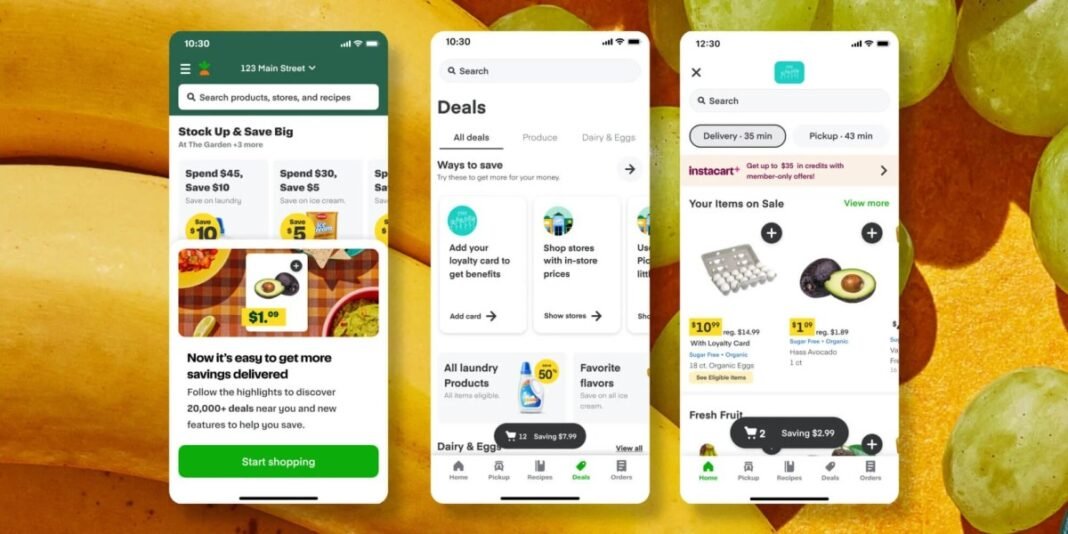
how Instacart’s AI Pricing Trials Are Reshaping Consumer Expectations
The Rise of Artificial Intelligence in Grocery Pricing
Instacart has recently been experimenting with artificial intelligence-driven pricing models that result in varying costs for the same grocery items among different shoppers. These trials have sparked debates about fairness adn transparency within the online grocery marketplace.
Understanding Price Discrepancies Across Retail Partners
These AI-based pricing experiments are being conducted through Instacart’s platform at prominent retailers including Kroger, Albertsons, Costco, and Safeway. Customers have reported encountering price differences as high as 23% for identical products purchased from the same store chain but by different users.
The AI Systems Powering Price Fluctuations
The technology behind these adjustments is powered by Eversight, a software-as-a-service platform designed to help retailers find optimal price points to maximize revenue. While this tool aims to enhance profitability by analyzing multiple variables,it also means some consumers may pay noticeably more than others during these controlled tests.
Instacart’s Clarification on Their Pricing Methodology
Addressing concerns over dynamic pricing allegations, Instacart states that only about ten retail partners nationwide currently participate in Eversight-powered price testing. The company emphasizes that these are randomized experiments rather than continuous real-time dynamic pricing influenced by supply-demand shifts or individual shopper profiles.
Differentiating Experimental Pricing from Dynamic Market-Based Models
Unlike many e-commerce platforms that adjust prices instantly based on market trends or user behavior, Instacart maintains stable prices throughout each test period without personalizing costs per customer. This approach attempts to mitigate fears of discriminatory pricing but does not fully resolve all transparency issues raised by consumers.
The Expanding Role of Algorithmic Pricing in Online Retail
Algorithm-driven price optimization is becoming increasingly common beyond groceries. As an example, automated algorithms on major platforms like Amazon have previously led certain U.S. school districts to pay inflated prices for essential supplies-though such claims remain contested.
Navigating Ethical Concerns and Regulatory Responses
- E-commerce leaders are leveraging AI tools extensively to maintain competitive edges.
- This surge prompts ethical discussions about consumer awareness regarding how prices are set algorithmically.
- Laws and regulations worldwide are beginning to explore frameworks governing obvious use of algorithmic pricing strategies.
“As digital commerce rapidly evolves with sophisticated AI shaping buyer experiences daily,ensuring fairness remains a critical priority.”
A Comparable Scenario: Dynamic Ticket Pricing in Entertainment Markets
A similar phenomenon occurs within ticket sales industries where event ticket costs fluctuate significantly depending on purchase timing or geographic location due to algorithmic demand management-an approach often criticized yet widely accepted under regulated conditions aimed at balancing revenue goals with consumer access.
The Road Ahead: Implications for Online Grocery Shopping Expenses
With over 60% of American households now regularly ordering groceries online-a number expected to rise steadily-the impact of AI-enhanced pricing models will likely attract increased scrutiny from both shoppers demanding fairness and regulators seeking clearer guidelines within digital marketplaces worldwide.