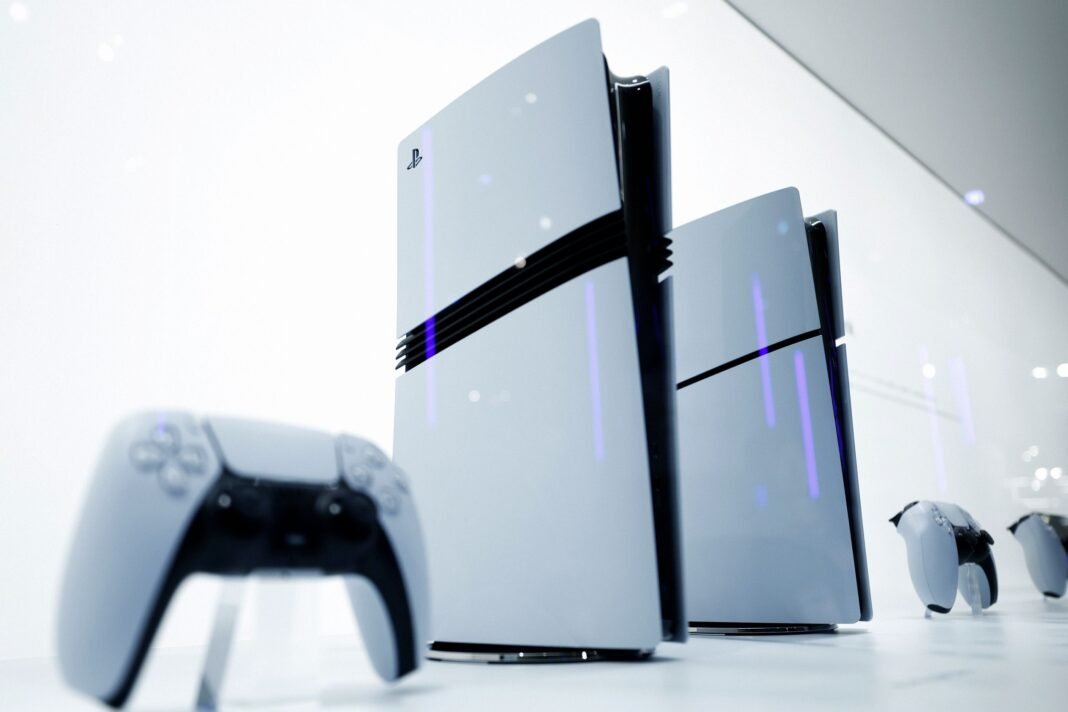
Understanding the Rising PlayStation 5 prices and Their Implications for gamers
Why Console Prices Are Increasing Instead of Dropping
Contrary to expectations, the cost of all PlayStation 5 models has surged rather than declined. This marks a departure from the usual trend where console prices decrease as technology matures and production becomes more efficient.
Historically, gaming consoles become more affordable over time due to advancements in manufacturing and reduced component costs. Such as, when the PlayStation 4 debuted at $400 in 2013, its price dropped by roughly 25% within five years, making it accessible to a broader audience while maintaining profitability through mass production.
the current generation’s pricing pattern suggests an extended lifecycle for these consoles instead of a swift transition to newer hardware.
The Role of Global Supply Chain Disruptions in Price Increases
The rising demand for AI technologies has driven up prices for essential components like RAM and SSDs worldwide. Sony has been directly impacted by these shortages, even pausing memory card production due to limited availability of critical parts.
This scarcity led Sony to raise PS5 prices starting April 2026: the Digital Edition now sells between $600-$700-up nearly $100 from before-and stands about 50% higher than its original $400 launch price in 2020. The standard disc model jumped from $500 to $650 (a roughly 30% increase), while the PS5 Pro reached around $900 despite lacking a built-in disc drive; users must spend an extra $80 if they want physical media support.
Sony’s handheld streaming device, PlayStation Portal, also experienced a price hike from $200 up to $250 amid similar supply constraints.
Price Trends Across Other Gaming Systems
- Xbox: Microsoft increased Xbox Series X prices multiple times during 2025; their premium two-terabyte model now retails near $800 with speculation about further increases ahead.
- Nintendo Switch: While Nintendo initially avoided tariff-related hikes with Switch 2’s launch, ongoing chip shortages linked to AI demand may prompt price adjustments later this year.
- Valve Steam Deck: Price increases have appeared mainly in select Asian markets so far. Valve plans to discontinue their base LCD (256 GB) model once stocks run out due to persistent memory shortages affecting OLED versions as well.
The wider Industry Impact: Delays and Uncertainty looming
The effects extend beyond current consoles into upcoming devices too. Valve’s recently announced Steam Machine lacks confirmed pricing or release dates becuase “limited availability” and rising component costs are forcing manufacturers worldwide to rethink timelines and budgets.
A Silver Lining: How Higher Prices Could Benefit Gamers Long-Term
- An Extended Console Lifecycle Means More Time for Players:
The pandemic-era launches of PS5 and Xbox Series X|S coincided with global lockdowns that disrupted supply chains severely. Despite strong sales-approximately 91 million units sold globally for PS5, 34.5 million Xbox series X|S units, plus around 17 million Switch 2 consoles through early 2026-many gamers have yet to upgrade.
This prolonged period before successors arrive (likely post-2028) offers players ample opportunity to explore existing game libraries without pressure toward costly new systems prematurely.
- Diminishing Returns on Next-Generation Hardware Improvements:
The leap between early generations such as PlayStation One versus Two was revolutionary; however, upgrades from PS4 onward focus mostly on faster storage enabling quicker load times alongside enhanced graphics features like ray tracing.
This means future iterations-rumored under codenames like “Project Helix”, possibly using advanced nanometer-scale chips-may deliver incremental improvements appealing primarily only hardcore enthusiasts rather than broad transformative changes.
- The Limits Imposed by Display Technology on Visual Enhancements:
A practical example is how few consumers own native 8K televisions despite some consoles supporting output at that resolution via upscaling technologies such as “PlayStation Spectral Super Resolution.”
Sony exited this market segment after poor sales since most content isn’t produced natively at ultra-high resolutions-and large screens required for optimal viewing remain uncommon among average households.
This indicates that releasing next-gen devices based solely on raw specs may not align well with actual user experience demands just yet.
Navigating future Pricing Amid Evolving Component Markets
- Toward early-mid 2026 there were signs RAM prices began declining after OpenAI scaled back DRAM purchases amid broader tech funding uncertainties.
- Cancellations or delays impacting nearly half of planned US data center projects eased pressure somewhat on chip supplies needed elsewhere-including gaming hardware manufacturing.
- This easing could eventually lead toward more affordable next-generation consoles compared against initial projections estimating unit costs exceeding $1,200 (notably relevant given Nvidia RTX5090 GPUs alone retail near four thousand dollars).
Caution Advised for PC Gamers Using Windows Systems
If you rely heavily on PC gaming or Windows10-based platforms-which will lose extended support by end-2026-the short-term outlook remains challenging due largely to ongoing component scarcities driving elevated upgrade expenses across CPUs, GPUs & storage devices alike.
Your Best Strategy: Patience Pays Off While Maximizing Current Consoles’ Potential
Sony’s recent decision raising PlayStation 5 pricing reflects widespread industry pressures but also signals this generation will dominate longer than anticipated.
If manufacturers avoid rushing new releases until production costs stabilize again-players stand poised benefit overall through improved affordability down the line while enjoying rich game libraries already available today.
Painful tho these sticker shocks feel across platforms including Xbox & nintendo Switch – staying calm & fully utilizing existing equipment offers smart strategy amidst uncertain market conditions moving forward.