Transforming Vision: The Next Generation of AI smart Glasses
Imagine riding a motorcycle at 160 kilometers per hour when an arrow appears directly on the road ahead, guiding your next turn without any smartphone or dashboard in sight-just your helmet and a discreet lens embedded within it.
This futuristic scenario is rapidly becoming reality, with such technology expected to debut on European roads soon. It offers a glimpse into how smart glasses are evolving from conceptual gadgets into indispensable everyday devices.
The Rapid Expansion of AI Smart Glasses in the Global Market
The adoption of AI-powered smart glasses has surged remarkably. In 2025, worldwide shipments reached nearly 8.7 million units, marking an increase of over 300% compared to the previous year. projections indicate that by the end of this year, sales will exceed 15 million units as consumer demand and technological innovation continue to accelerate.
Leading tech companies are heavily investing in this space: Meta launched it’s AI-enhanced Ray-Ban glasses in 2023; Google is advancing its Android XR platform; Apple is anticipated to unveil its own model shortly; and Samsung plans to introduce AI-enabled smart glasses developed alongside Gentle Monster at an upcoming London event. Meanwhile, Chinese giants such as Huawei, Alibaba, and xiaomi are aggressively entering this competitive market.
Innovations Behind Wearable Optical Technology
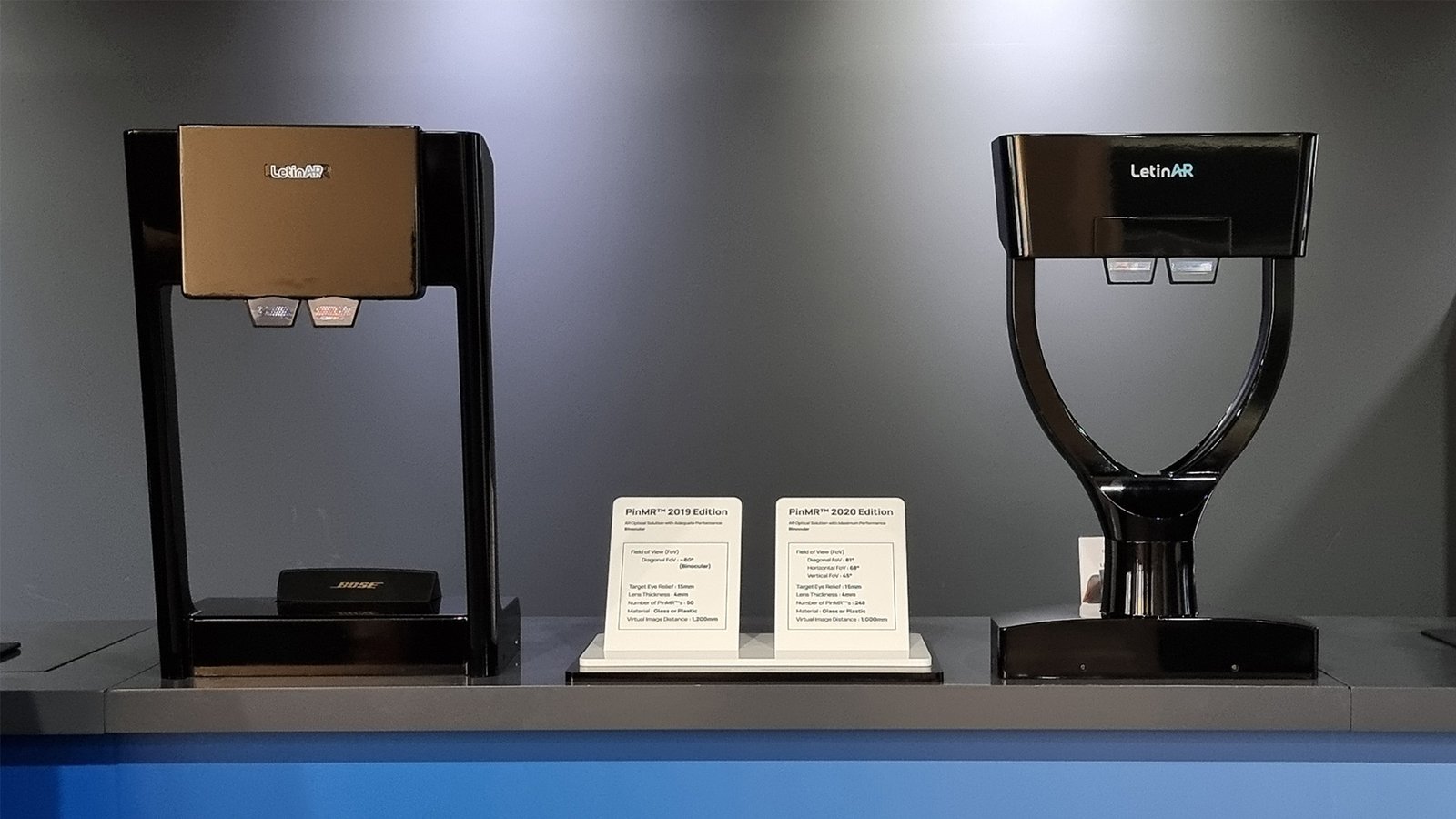
A South Korean startup has emerged as a pioneer by developing essential optical components that make these devices both functional and stylish.LetinAR focuses on creating ultra-compact lenses capable of projecting images directly into users’ fields of vision-technology crucial for transforming bulky headsets into sleek eyewear suitable for daily use.
Recently securing $18.5 million from investors including Korea Growth Bank and Lotte ventures ahead of a planned initial public offering (IPO) by 2027 in South Korea, LetinAR exemplifies how major industry players like LG Electronics-currently developing their own AI smart glasses-are committed to pushing this technology forward.
A Decade Dedicated to Perfecting Optical Precision
Founded in 2016 by lifelong friends Jaehyeok Kim (CEO) and Jeonghun Ha (CTO), LetinAR has spent more than ten years refining their proprietary PinTILT technology-a unique approach that arranges microscopic optical elements inside lenses so light focuses precisely where its needed: straight into the wearer’s eye rather than scattering inefficiently across surfaces.
“we see AI glasses as the next major computing platform,” Kim states.
“The optical module must be thinner, lighter, and more energy-efficient than anything currently available.”
Overcoming Industry Limitations with PinTILT Technology
Conventional waveguide lenses disperse light broadly across surfaces much like how televisions illuminate entire rooms-resulting in significant energy loss before reaching users’ eyes and dimmer displays requiring frequent recharging.
An alternative design called birdbath optics produces brighter images but relies on bulky hardware incompatible with fashionable eyewear frames.
The PinTILT system bypasses these drawbacks by channeling only usable light efficiently through precisely angled micro-elements embedded within ultra-thin lenses. This results in vivid visuals while maintaining lightweight form factors essential for all-day battery life and comfort.
Diverse Use Cases Accelerating Global Adoption
- Navigational Helmets: Swiss deep-tech company Aegis Rider incorporates LetinAR modules inside augmented reality helmets tailored for motorcyclists navigating complex urban environments safely via real-time speed alerts projected onto roads themselves instead of detached floating displays – set for launch across Europe soon.
- Laptop Augmentation: Japanese firms NTT QONOQ Devices together with Dynabook integrate LetinAR optics within AR solutions designed to boost productivity tools.
- Evolving Partnerships: Ongoing discussions between LetinAR and several leading tech corporations aim at pioneering next-generation research collaborations focused on expanding capabilities beyond current limits.
The future Outlook: Scaling Production Amid Rising Demand
Total capital raised now surpasses $41 million as LetinAR prepares to meet growing demand transitioning from niche early adopters toward mass-market availability worldwide during the latter half of this decade. CEO Kim highlights that innovations like these form foundational layers integrating artificial intelligence seamlessly into everyday experiences-from high-speed motorcycle navigation assistance to hands-free information access during work or leisure activities alike.