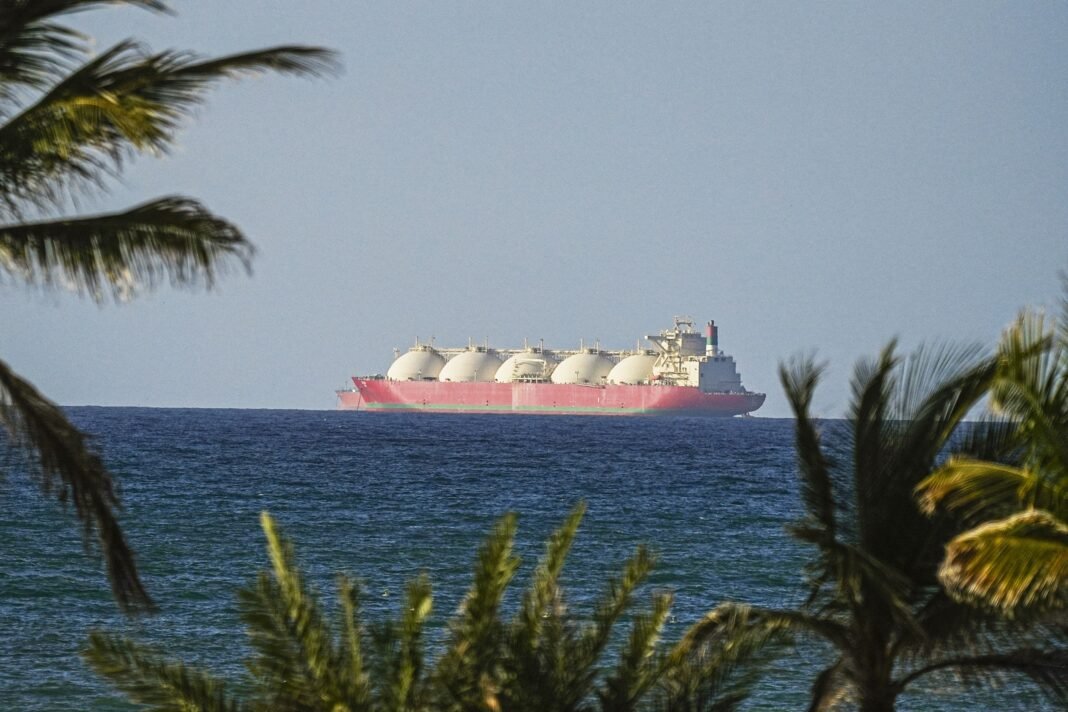
ceasefire in the Strait of Hormuz: Assessing the Impact and Future Obstacles
disruptions in Global Maritime Trade and Energy Markets
The declaration of a ceasefire and the tentative reopening of the Strait of Hormuz brought a wave of global relief. Yet, after more than a month-long suspension of maritime traffic, significant consequences continue to affect international shipping networks and energy markets, with recovery expected to be gradual rather than immediate.
During this shutdown, vessel transit through this strategic waterway dropped by approximately 95 percent.This sharp decline caused notable spikes not only in crude oil prices but also across refined petroleum products such as diesel, aviation fuel, and gas oil. According to industry experts specializing in marine fuel supply chains,these price hikes have varied widely depending on regional demand and supply dynamics.
Nations heavily dependent on Middle Eastern energy imports have experienced pronounced impacts. Such as, India sources nearly 55 percent of its oil from this region; China relies on it for about half its consumption; Japan’s dependence reaches around 93 percent; South Korea imports roughly 67 percent; while Singapore’s figure is close to 70 percent-highlighting how critical uninterrupted access is for these economies.
Massive Vessel Congestion: Overwhelmed Ports and Waiting Ships
An estimated backlog exceeding 1,800 ships-including tankers carrying crude oil and cargo vessels-remains stranded within or near the Persian Gulf due to ongoing restrictions at Hormuz. Under normal conditions, about 150 ships pass through daily.
This unprecedented accumulation presents complex logistical challenges involving careful scheduling for departures alongside ensuring that vessels receive necessary refueling and maintenance before continuing their voyages. Security concerns further complicate efforts to restore smooth operations swiftly in this geopolitically sensitive corridor.
why Immediate Normalization Remains unlikely
The market has partially adjusted with Brent crude prices easing from highs near $110 per barrel down toward $94 recently; though, consumers should not anticipate rapid reductions at fuel stations or storage facilities anytime soon. Existing inventories purchased during peak pricing periods will take weeks or months before being replaced by lower-cost supplies capable of influencing retail prices meaningfully.
Infrastructure damage exacerbates delays significantly: refineries affected by missile strikes or drone attacks require extensive repairs before resuming full output capacity. As an example, QatarEnergy declared force majeure on select LNG contracts following damage at key processing plants; Saudi Aramco temporarily halted operations at its Ras Tanura refinery after fire incidents linked to drone activity; similar disruptions occurred across Bahrain’s BAPCO refinery and also facilities in Kuwait, Iraq, and parts of the UAE.
A Gradual Path Forward Amid Persistent Risks
The restoration process demands thorough inspections coupled with phased reactivation plans for ports and energy infrastructure throughout the region. Despite progress made so far post-ceasefire talks, uncertainty remains elevated due to potential flare-ups that could quickly reverse gains achieved thus far.
Shipping companies along with insurers remain cautious about redeploying fleets until they gain confidence that stability will endure over time without sudden blockades or dialog failures during transit through this vital maritime passageway.
Broad Supply Chain Implications Beyond Regional Waters
- Cargo Transit Delays: Oil shipments bound for Asian or European markets typically require over one month from loading port departure-a timeline now extended further due to congestion within Gulf waters;
- Crew Changes & Maintenance: Manny vessels must replace crews or undergo essential maintenance prior to resuming journeys;
- Sustained Market Volatility: Even if flow resumes steadily post-ceasefire negotiations conclude fully supply-demand imbalances are likely keeping prices elevated above pre-conflict averages (which hovered between $60-$70 per barrel).
A Measured Outlook Amid Lingering Uncertainties
This ceasefire marks an crucial milestone but does not guarantee an immediate return to pre-crisis conditions regarding global energy logistics passing through Hormuz. The intricate interplay between regional infrastructure rehabilitation efforts combined with international shipping schedules means patience remains crucial during this transitional phase.
“Should peace hold steady,” industry analysts caution,“we may witness price stabilization somewhere between recent peaks seen earlier this year versus previous lows-but any renewed conflict risks pushing costs even higher.”
The upcoming weeks will prove pivotal as stakeholders closely monitor developments while managing practical challenges such as vessel readiness alongside geopolitical uncertainties inherent within one of world’s most strategically significant maritime corridors.