Student Protests at Stanford Spotlight Controversy Over Google’s Military Partnerships
Graduation Speech Disrupted by Demonstrations and Walkouts
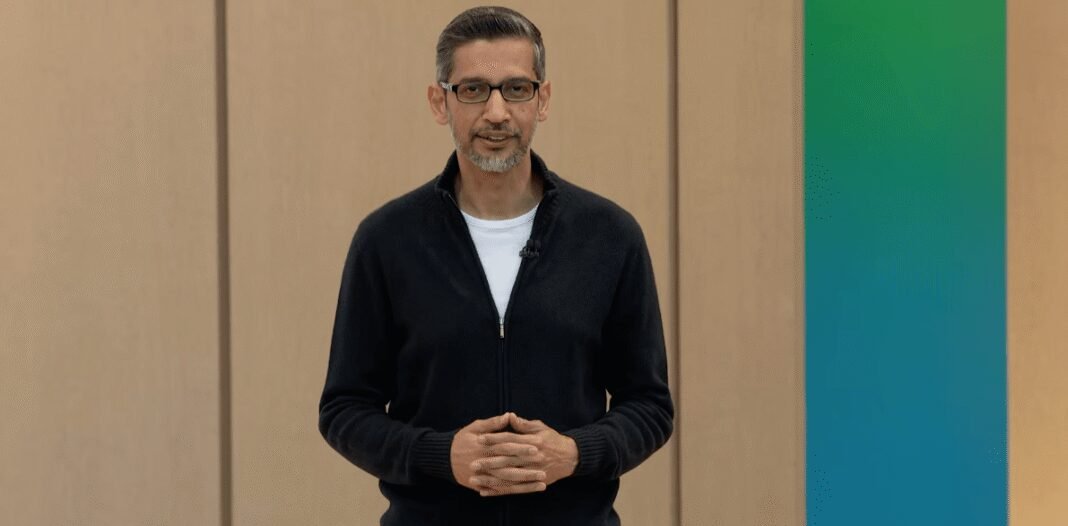
At Stanford University’s commencement ceremony, Sundar Pichai, CEO of Google and an alumnus in materials science and engineering, faced intense opposition from the graduating class. nearly 200 students staged a walkout while many others voiced their dissent loudly, revealing widespread dissatisfaction within the student community.
Google’s Defense contracts Spark Student Outrage
The core issue fueling the protests was Google’s involvement in military projects, particularly Project Nimbus-a $1.2 billion contract shared with Amazon to provide cloud computing and artificial intelligence services to the Israeli military. Additional backlash arose from Google’s collaboration with U.S. Immigration and Customs Enforcement (ICE), which many students viewed as ethically problematic.
Slogans Capturing Protesters’ Messages
- “GOOGLE AI AIDS ICE SURVEILLANCE”
- “TECH FUELS OPPRESSION”
- “JUSTICE FOR PALESTINE NOW”
Demonstrators carried Palestinian flags while chanting calls for freedom, emphasizing their solidarity amid ongoing conflicts in Gaza.
Coordinated Campus Activism Amplifies Opposition
The walkout was organized by groups such as Stanford Students for Justice in Palestine, No Tech for Apartheid, and Tech for Liberation. These organizations highlighted their commitment to opposing corporate involvement in violence as a driving force behind their protest actions.
Internal Resistance Within google Intensifies
The controversy surrounding Project Nimbus has not only sparked external protests but also unrest inside Google itself. In 2024 alone,28 employees were terminated after publicly criticizing the contract; nevertheless,internal dissent continues as workers persistently challenge the company’s ethical decisions regarding its defense collaborations.
“We refuse to endorse corporations that perpetuate violence,” stated one protest declaration reflecting widespread employee concerns about corporate responsibility.
Tech Industry Faces Growing Scrutiny Over military Engagements
Beyond google and Amazon’s role in Project Nimbus, Microsoft has also come under fire for supporting Israeli military operations. Investigations revealed that Microsoft’s cloud infrastructure facilitated mass surveillance of palestinians-prompting the company to restrict government access to certain technologies in a rare move addressing human rights issues directly.
Diverse Opinions Among Silicon Valley Leaders on Protests
The student-led demonstrations have drawn criticism from some influential Silicon valley figures. Vinod Khosla, co-founder of Sun microsystems, dismissed the protests as “narrow-minded” and “biased,” arguing they fail to recognise how AI advancements could benefit billions globally rather than focusing solely on regional geopolitical conflicts.
Younger Generations Express Nuanced views on Artificial Intelligence
Pichai’s experience reflects a broader pattern where college audiences increasingly question tech leaders promoting AI innovations during graduation events nationwide. Unlike common concerns about automation or job losses prevalent among youth populations-the resistance here specifically targeted Google’s strategic choices involving contentious defense contracts rather than AI technology itself.
Navigating Ethical Challenges Amid Rapid Technological Growth
This incident highlights an urgent imperative for technology executives to balance innovation with moral accountability carefully. As artificial intelligence is projected to add over $15 trillion to the global economy by 2030 according to recent estimates-the conversation around responsible advancement remains vital both within companies like Google and across society at large.