Supreme Court Limits Law Enforcement’s Access to Geofence Search Warrants
The U.S. Supreme Court has delivered a pivotal ruling that restricts how law enforcement agencies can obtain and use “geofence” search warrants, marking a meaningful advancement in safeguarding privacy rights across the nation.
Reevaluating privacy Concerns Around Cellphone Location Tracking
The court underscored that individuals hold a reasonable expectation of privacy when it comes to their cellphone location details. This decision confirms that data generated by smartphones and related apps is protected under privacy laws, compelling authorities to honor these protections.
The Necessity of Search Warrants for Accessing Geofence Data
The justices clarified that law enforcement must acquire a valid search warrant before compelling companies such as Google to release users’ historical geolocation records. This requirement arises from the understanding that users do not knowingly relinquish their precise location details in a manner that would waive their privacy rights.
This ruling challenges the conventional third-party doctrine, which previously allowed authorities to access information shared with third parties without warrants. Unlike bank statements or phone logs, geofence data involves sensitive near-real-time tracking directly linked to individuals’ movements.
How Geofence Warrants Work and Why they Are Controversial
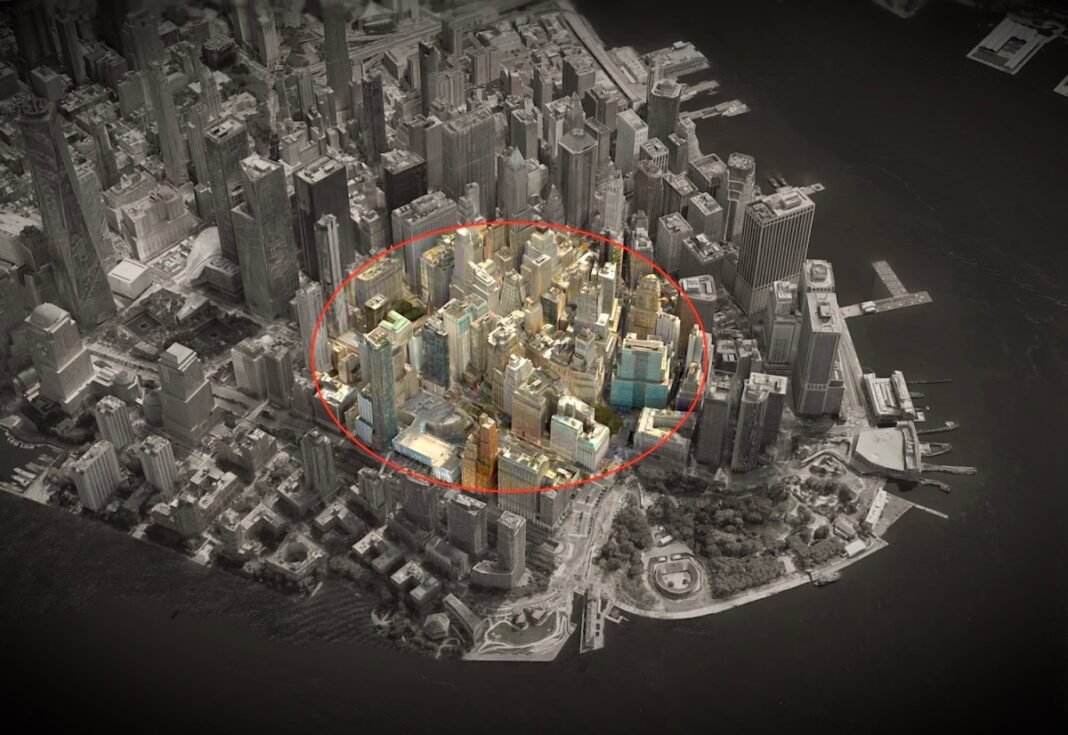
Geofence warrants permit police to request location data for all devices within a specified geographic area during certain time periods. Investigators define an area on digital maps and ask companies for records of all devices present there based on stored location histories.
- This approach often sweeps up information from many innocent bystanders who happened to be nearby but have no connection with any criminal activity.
- Critics argue these “reverse” search warrants violate constitutional safeguards by casting an excessively broad net without individualized suspicion or probable cause directed at specific persons.
The Supreme Court acknowledged these concerns but stopped short of banning geofence warrants outright. Instead,it imposed stricter judicial oversight requiring probable cause before issuing such requests and encouraged more narrowly focused searches by law enforcement officials moving forward.
Fourth Amendment protections Extended Into Digital Location Data
This landmark decision reinforces the Fourth Amendment’s protection against unreasonable searches as explicitly applicable in digital contexts like cellphone tracking. While authorities may still access this data when justified by probable cause, they cannot circumvent constitutional protections simply because the information is held by private companies rather than directly on suspects’ devices.
The Case That Prompted Reform: Chatrie v.United States
The ruling originated from a legal challenge filed by okello Chatrie, accused of bank robbery based on evidence obtained through an allegedly unconstitutional geofence warrant.
“The government essentially conducted ‘search first, develop suspicions later,’ undermining established legal standards for evidence collection,” stated Chatrie’s defense team.
This case exposed inconsistent rulings across various courts regarding geofence warrant legality until this definitive Supreme court judgment provided clarity.
The Appeals Court will now reassess whether probable cause existed under this new standard in Chatrie’s original case.
Implications for Law Enforcement Practices and Technology Providers
- Major tech firms like Apple have begun shifting toward storing some user location data locally on devices instead of centralized servers;
this change complicates direct government access via company requests and pushes investigators toward subpoenaing individual users instead. - Diverse platforms including Lyft, Microsoft, and Twitter regularly recieve similar demands for user location information;
the ruling signals heightened scrutiny over how such requests are processed going forward. - An estimated 298 million Americans own smartphones capable of generating detailed movement patterns daily;
this immense volume highlights why clear legal frameworks governing access to sensitive geolocation data are more critical than ever today.
Navigating Future Challenges in Digital Privacy Protection
This Supreme Court verdict establishes precedent affirming digital privacy as essential while balancing legitimate investigative needs-a delicate balance increasingly vital amid rapid technological advancements shaping modern surveillance worldwide.
Law enforcement must now provide concrete justification grounded in probable cause before accessing mass user-location datasets through geofencing methods rather than relying on broad fishing expeditions.
This shift reflects growing public demand for accountability concerning personal data usage amid escalating concerns about mass surveillance practices documented globally over recent years.
The decision does not prohibit lawful use but insists upon strict adherence to constitutional principles protecting citizens’ digital footprints from unwarranted intrusion.