



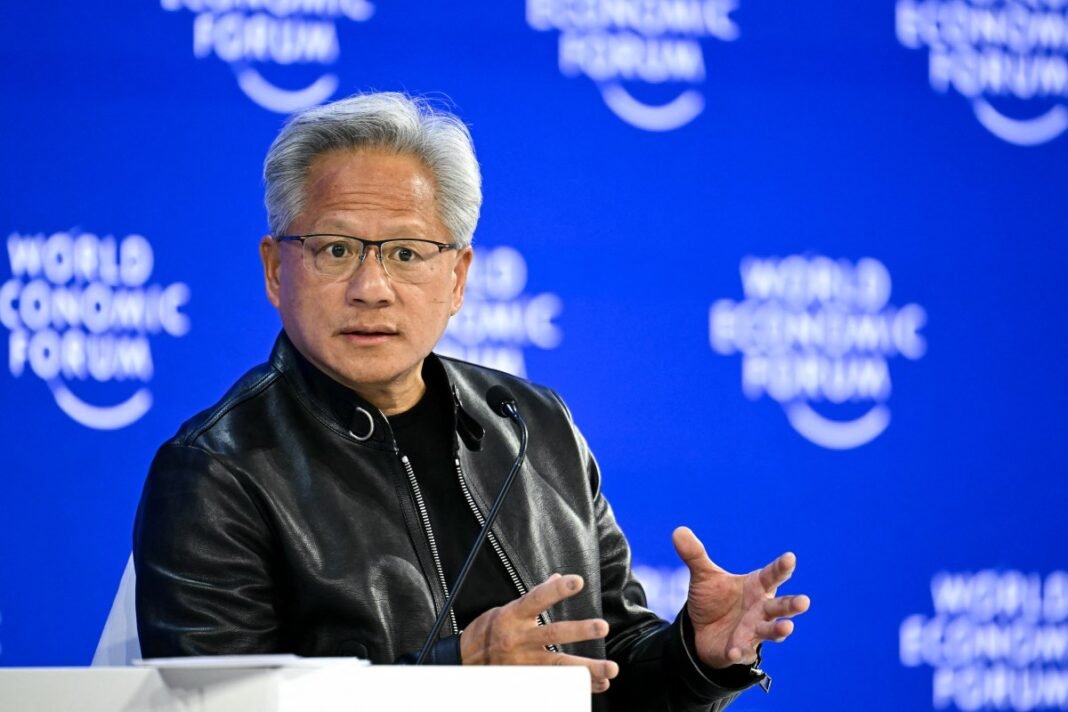
The Transformation of Davos into a Premier AI and Technology Summit
This year’s World Economic Forum in Davos showcased a remarkable shift toward technology, with prominent leaders from the AI and tech industries taking centre stage. Influential figures such as Tesla’s Elon Musk, Nvidia’s Jensen Huang, Anthropic’s Dario Amodei, and Microsoft’s Satya Nadella drove discussions focused on artificial intelligence and its expanding global influence.
Artificial Intelligence Dominates Global Conversations
AI emerged as the focal point throughout the event, with executives sharing ambitious visions for its revolutionary impact across sectors.However, alongside optimism about AI’s potential to reshape economies and societies came candid debates about market overheating risks. The dialogue blended forward-looking ideas with critical assessments from both collaborators and competitors within the industry.
From Environmental Concerns to Technological Priorities
The atmosphere at Davos noticeably evolved compared to previous years. Major tech corporations like Meta, Salesforce, Tata Group, along with representatives from several Middle Eastern countries, occupied prime exhibition spaces along the main avenue.This marked a clear pivot away from customary emphasis on climate change or poverty reduction toward technology-driven economic themes.
This shift was further highlighted by high-profile tech leaders-many of whom had previously avoided Davos-actively participating this year. Elon Musk’s presence exemplified how technology has become integral to shaping global economic policy discussions.
Unveiling Industry Rivalries Amidst Collaboration
The forum revealed an unprecedented level of openness among CEOs who did not shy away from publicly critiquing each other during panels.For instance, Anthropic CEO Dario Amodei openly questioned U.S. government decisions allowing Nvidia to export advanced semiconductor chips to China-a move he warned could empower geopolitical competitors with state-of-the-art AI tools.
“Providing these chips is like equipping an entire nation of prodigies,” Amodei remarked skeptically regarding current export regulations.
This tension is particularly complex given Anthropic’s reliance on Nvidia GPUs for powering its own AI systems-a relationship that intertwines cooperation with competitive friction.
Nvidia’s Vision: Data centers as “Token Factories”
Nvidia CEO Jensen Huang introduced an evocative analogy describing data centers as “token factories,” emphasizing their critical role in processing immense volumes of data essential for training refined AI models. This metaphor underscores how cutting-edge hardware infrastructure forms the backbone supporting rapid software innovation driving today’s technological breakthroughs.
Diverse Perspectives on Expanding AI Access Globally
Leaders expressed contrasting views regarding how widely artificial intelligence should be deployed worldwide. Microsoft CEO Satya Nadella stressed broadening access across varied communities globally to prevent benefits being confined solely to wealthy regions-a strategy aimed at mitigating speculative bubbles through inclusive adoption:
“without widespread usage soon,” Nadella cautioned implicitly, “we risk inflating an unsustainable bubble.”
Nvidia echoed similar concerns about investment urgency; Huang emphasized accelerating funding not only fuels innovation but also generates employment opportunities within emerging sectors tied closely to AI growth-though some experts warn growth may plateau once initial infrastructure build-out stabilizes.
A Rare Window into Live Tech Industry Competition
this edition of Davos offered one of the first occasions where top executives from rival companies shared stages while exchanging pointed critiques openly rather then maintaining polished diplomacy behind closed doors or separate forums. The palpable rivalry reflects fierce competition for leadership amid rapid technological evolution combined with geopolitical complexities influencing trade policies around vital components such as semiconductors.
Intersecting Technology trends With Geopolitical Realities
- Trade Policy Challenges: Export restrictions on advanced chips highlight ongoing tensions between national security priorities and commercial interests embedded within global supply chains.
- Talent Acquisition Pressures: Firms face intense battles over attracting skilled professionals while balancing sustainable spending amid uncertain economic climates affecting hiring strategies worldwide.
- Evolving Market Forces: Efforts promoting mass adoption contrast sharply against fears fueled by hype-driven speculative bubbles lacking solid practical deployment metrics backing them up yet still influencing investor sentiment significantly.
Davos Enters a New Chapter: Technology Shapes Global Dialogue Like Never Before
Davos has historically been recognized for focusing primarily on economics, politics, climate change initiatives, and social challenges-but this year it unmistakably transformed into a platform where artificial intelligence took precedence alongside international relations debates shaped by technological innovation hurdles.The fusion of these elements signals just how deeply integrated technology now is within every dimension of global decision-making moving forward.


