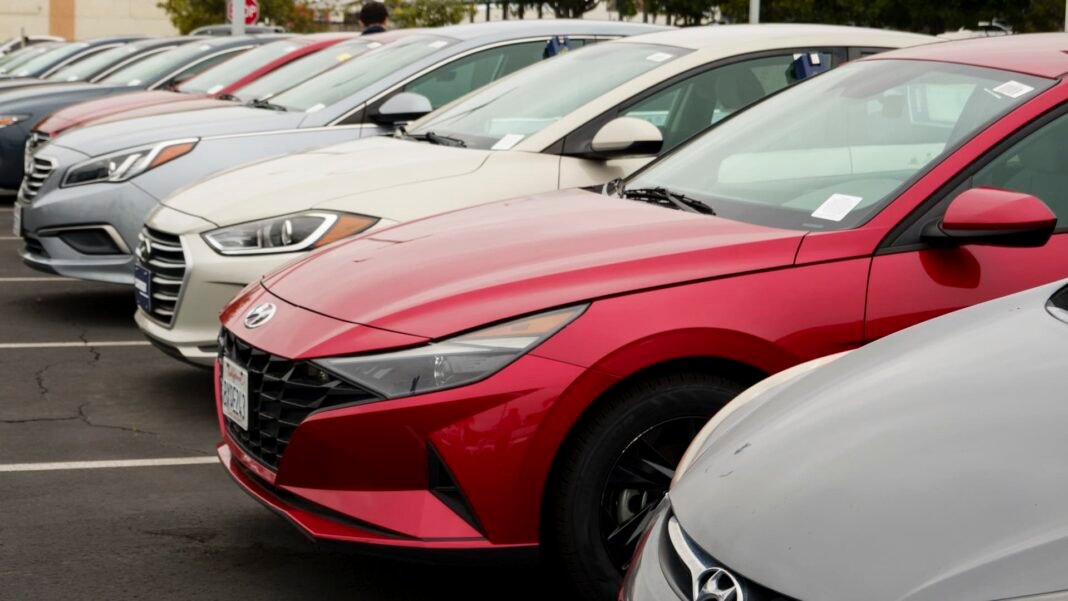
Transforming Trends in the U.S.Automotive Industry: Addressing a Shrinking Consumer Base
Demographic Shifts adn Their influence on Vehicle Demand
The U.S. auto market once celebrated a historic high with 17.6 million vehicles sold in a single year, including cars, trucks, and SUVs. However, current forecasts indicate that this peak is unlikely to be surpassed anytime soon due to evolving demographic and economic factors.
Multiple influences are converging to reduce vehicle sales substantially by 2040-declining birth rates, shifting consumer preferences, rising vehicle prices, and the growing availability of alternative transportation options such as micro-mobility solutions and subscription services.
Population Dynamics Reshaping Car Ownership Patterns
The automotive industry has long depended on steady population growth-around 1% annually-to sustain increasing demand for new vehicles. Yet recent demographic trends reveal slowing or even negative growth rates across many developed regions.
In the United States specifically, fertility rates have dropped to approximately 1.6 births per woman as of mid-2025, falling short of the replacement level of 2.1 needed for population stability.While immigration has historically offset some decline with roughly one million newcomers each year, stricter immigration policies could reduce net migration by up to half over the next fifteen years.
Evolving Driving Habits Among Younger Generations
Younger Americans are demonstrating markedly different attitudes toward driving compared to previous cohorts; nearly half of teenagers aged sixteen currently do not hold driver’s licenses-a important increase from about 30% in the late twentieth century.
This trend may reflect delayed licensing rather than permanent avoidance since most individuals obtain their license by age twenty-five; however, new car registrations among those aged eighteen to thirty-four have declined from roughly twelve percent in early 2021 down below ten percent by mid-2025.
an Aging Customer Base Coupled With Rising Affordability barriers
S&P Global Mobility data reveals that buyers aged fifty-five and older now account for nearly half of all new vehicle purchases-a share consistently maintained over eight consecutive quarters.
The surge in monthly auto loan payments poses a significant obstacle for younger consumers: average monthly installments have increased about thirty percent over four years-with close to twenty percent of newly financed vehicles carrying payments exceeding $1,000 per month-even outside luxury segments.
Projecting Future Sales Amidst Uncertain Market Forces
According to AutoForecast Solutions’ latest outlooks through at least 2033-the longest forecast horizon available-U.S. new car sales are expected to stabilize near sixteen million units annually as demographic changes combine with shifting mobility preferences favoring ride-sharing platforms like Uber or Lyft instead of personal ownership among younger populations.
The Disruptive Potential of Autonomous Vehicles on Ownership Models
If autonomous ride-hailing services become widely accessible within fifteen years-as envisioned by industry analysts-the proportion of licensed drivers could drop further by two or three percentage points from current levels while average vehicles per household might decrease from approximately 1.2 down close to one car per home.
This would translate into an estimated ten-to-twenty percent reduction in multi-car households nationwide-a profound change driven primarily by technological innovation intersecting with demographic realities affecting demand patterns nationwide.
Lifespan Extensions and Deregistration Rates Impact Market Size Over Time
- Deregistration rates-which measure how many vehicles leave active use due either scrapping or exportation abroad-have steadily declined;
- From around six percent annually circa 2000;
- Dipping just below five percent during the early-to-mid-2020s;
- Bain & Company projects this figure may fall further toward approximately four point four percent by mid-century due largely to longer-lasting cars averaging nearly thirteen years on roads today-the longest lifespan recorded globally according S&P Global Mobility data;
Navigating Uncertainties Around Electric Vehicle Durability
The future durability outlook remains uncertain especially concerning electric vehicle (EV) battery longevity alongside ongoing software update support critical for maintaining functionality beyond initial purchase periods amid rapidly advancing technology cycles.
Maintaining Value Despite Escalating Price Tags
“With sticker prices frequently ranging between $50K-$100K across many models today,” experts emphasize automakers must prioritize extended usability well beyond customary five-to-ten-year ownership horizons common decades ago: “Consumers investing such sums expect their vehicles remain relevant and functional for at least ten years.”
A Crowded Marketplace Spurs fierce Competition Among Automakers
The U.S market currently offers consumers access to roughly four hundred fifty distinct automotive nameplates spanning multiple segments-a saturation level increasingly unsustainable given shrinking demand driven primarily by long-term demographic headwinds rather than short-term economic fluctuations alone.
“The competition will intensify sharply,” warn industry strategists; “too many brands chasing fewer customers inevitably leads toward consolidation.”
A New Era Calls for Innovation and Strategic Adaptation