



Unraveling the Truth Behind Hurricane Melissa and HAARP Myths
The True Causes of Hurricane Melissa’s Intensity
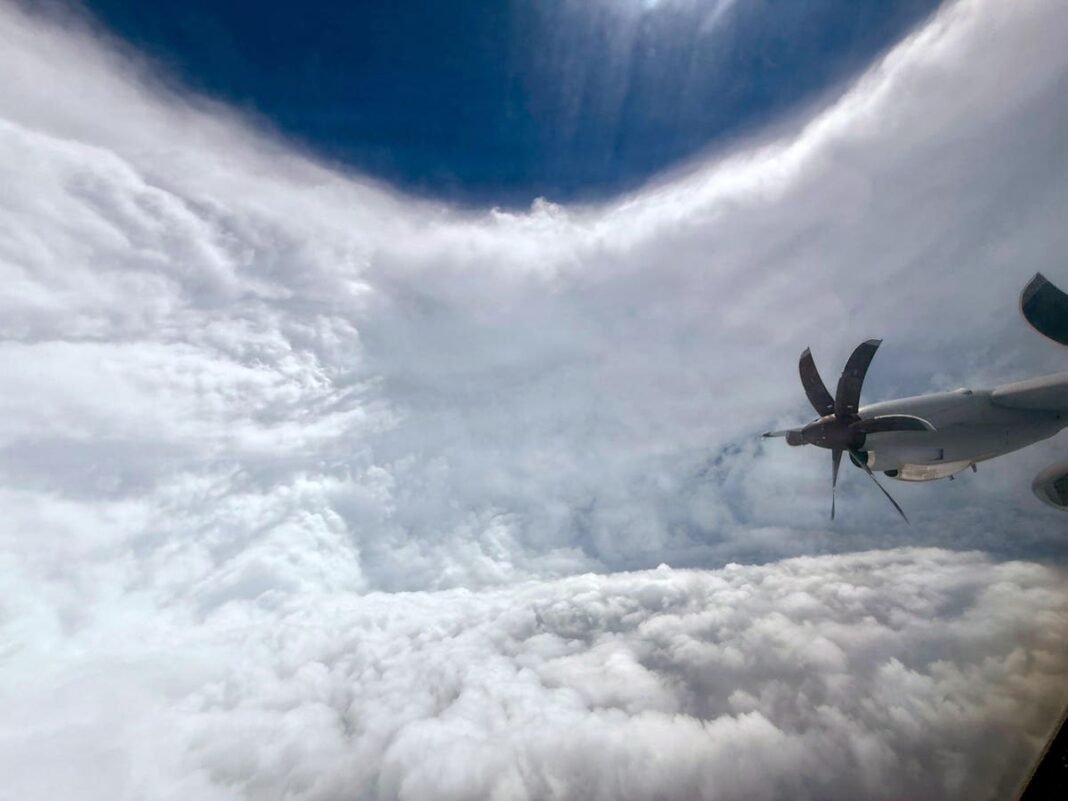
In late October 2025, Hurricane Melissa rapidly escalated into a Category 5 storm as it approached Jamaica, unleashing wind speeds that peaked at an amazing 252 miles per hour-ranking among the strongest ever recorded in the Atlantic. This fierce hurricane inflicted widespread devastation across Jamaica, Haiti, Cuba, and later the Bahamas, dramatically altering landscapes and causing severe casualties and property loss.
The storm’s extraordinary strength was fueled by unusually high sea surface temperatures combined with optimal atmospheric conditions that enabled rapid intensification. During this period, ocean heat content in the central caribbean Sea exceeded past averages by nearly 20%, providing abundant energy to sustain such a powerful cyclone. These meteorological factors align with established scientific models of tropical cyclone formation and are increasingly influenced by ongoing global climate change.
Clarifying HAARP: Scientific Research Versus Misconceptions
The High-frequency Active Auroral Research Program (HAARP) is often misunderstood or mischaracterized in popular discussions. Originally designed to explore ionospheric phenomena-the atmospheric layer responsible for natural auroras-HAARP serves as a legitimate research facility focused on studying how radio waves interact with charged particles high above Earth’s surface rather than manipulating weather patterns.
As its transition from military control to academic stewardship over ten years ago, HAARP has concentrated exclusively on ionospheric science. The spectacular northern lights visible near regions like Alaska or Scandinavia are natural occurrences linked to these upper-atmosphere processes studied by programs like HAARP-not evidence of artificial weather modification.
Why Associating HAARP With Hurricanes Lacks Scientific Basis
Despite its genuine scientific mission, conspiracy theories have falsely attributed hurricane creation or manipulation capabilities to HAARP. Such claims disregard fundamental meteorological principles governing tropical cyclones-including ocean temperature gradients, humidity levels in the atmosphere, and wind shear dynamics-all natural elements unaffected by experiments conducted tens of kilometers above weather systems.
The Psychology Fueling Weather-Related Conspiracy beliefs
Following catastrophic events like Hurricane Melissa that capture global attention, conspiracy theories blaming secret technologies such as HAARP frequently resurface on social media platforms. several psychological drivers explain why people gravitate toward these narratives:
- A Need for Control: facing overwhelming disasters beyond human influence often leads individuals to seek explanations assigning blame rather than accepting complex scientific realities or randomness.
- simplification of Complex Science: Meteorology involves intricate interactions between oceans and atmosphere; conspiracies offer straightforward villains instead of nuanced understanding.
- Misinformation Amplified Through Social Media: Platforms blur distinctions between credible science and unfounded opinions equally presented online; this causes some users to give undue credibility to fringe ideas despite expert consensus against them.
- Dunning-Kruger Effect: Overestimating personal knowledge while undervaluing expert insight fosters confidence in inaccurate beliefs about hurricane formation or climate science.
- Skepticism Rooted in Historical Distrust: Past abuses in various fields understandably generate mistrust toward authorities; however reasonable skepticism must be balanced with critical thinking grounded in current evidence-based research.
- The Role of AI-Generated Fake Media: Advances in artificial intelligence have made creating realistic but fabricated images and videos easier than ever; during Hurricane Melissa’s aftermath numerous doctored visuals circulated online depicting implausible scenes such as dolphins swimming through flooded urban streets-further fueling misinformation cycles around the disaster event.
A Contemporary case Study: Disinformation Spread Amidst Hurricane melissa
Soon after landfall across affected Caribbean islands, a surge of AI-manipulated photos exaggerating flood severity appeared online. These falsified images were widely shared alongside baseless assertions linking government projects like HAARP directly with extreme weather events-a pattern reminiscent of previous storms but intensified now due to technological advances enabling rapid fabrication and dissemination worldwide within hours.
“the rise of synthetic imagery not only confuses public perception but also undermines trust when accurate information is crucial for effective disaster response,” experts observe regarding recent disinformation campaigns surrounding hurricanes similar to Melissa’s impact.”
Cultivating Critical Thinking To Combat False Narratives
An essential step toward counteracting misleading stories tied to hurricanes involves educating communities about scientifically validated hurricane formation processes while highlighting common cognitive biases influencing belief systems. Promoting transparent interaction based on verified data from trusted meteorological organizations helps reduce vulnerability toward unfounded conspiracies while building resilience against future misinformation waves amplified by emerging technologies such as AI-generated media tools.
The Bottom Line: Natural Forces Drive Hurricanes-not Fictional Technologies
No credible scientific evidence supports claims that government technology programs caused hurricane Melissa’s destruction across Jamaica or other Caribbean nations-it remains firmly rooted within natural climatic variability exacerbated by warming oceans closely linked with global climate change trends documented extensively worldwide today.This reality underscores why prioritizing preparedness grounded in sound science offers communities their best defense against future storms-not chasing baseless conspiracies detached from empirical facts.*


