
U.S. Announces Significant Tariff Hikes on EU and Mexico: Implications for Global Trade Stability
The United States government has declared a 30% increase in tariffs on imports from the European Union and Mexico, scheduled to commence on August 1. This development represents a notable intensification of trade disputes with two of America’s key economic partners, potentially altering the landscape of international commerce.
Understanding the Motivation Behind the New Tariffs
This tariff escalation is part of a broader U.S. strategy aimed at addressing persistent trade imbalances that have long been viewed as detrimental to domestic industries. The administration intends these measures to shield American manufacturing sectors and curb deficits by penalizing countries it accuses of engaging in unfair trading practices.
In formal communications sent directly to leaders in both Mexico and the EU, concerns were raised about national security risks linked to ongoing trade deficits. The message highlighted Mexico’s role in combating illegal migration and drug trafficking but criticized current efforts as inadequate, warning that North America could become increasingly vulnerable to narcotics trafficking networks.
Trade Imbalance Issues with Europe
The correspondence addressed to European Union officials expressed frustration over what was described as one-sided trading relationships exacerbated by tariffs, regulatory hurdles, and other barriers imposed by EU member states. these factors are seen as major contributors to America’s ample trade deficit with Europe.
International Responses: Calls for Dialog Amid Heightened Tensions
The President of the European Commission responded firmly yet diplomatically,reaffirming commitment toward constructive negotiations while signaling readiness for retaliatory actions if necessary. Ongoing talks aim at resolving disputes before the August deadline approaches.
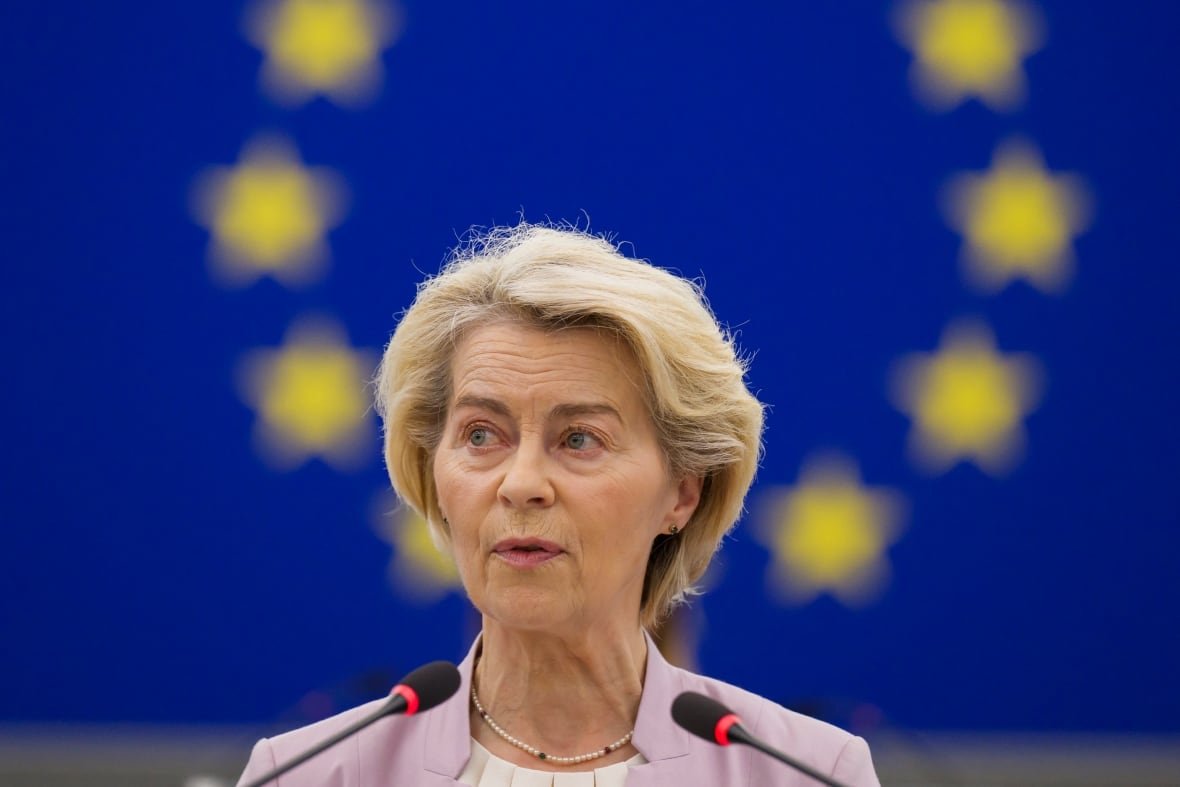
Leaders across EU nations echoed this stance; French President Emmanuel Macron emphasized solidarity within Europe when defending economic interests against unilateral U.S. policies.
- Italy’s Prime Minister Giorgia Meloni: Cautioned against triggering an Atlantic-wide trade conflict that would damage all parties involved.
- Danish Foreign Minister Lars Løkke Rasmussen: Criticized these measures as short-sighted and likely counterproductive over time.
- Swedish Prime Minister Ulf Kristersson: Pointed out that American consumers might ultimately bear most costs resulting from escalating tariffs.
A Mexican Viewpoint on Rising Trade Restrictions
The Mexican government voiced strong disapproval following high-level discussions where they were informed about impending tariff increases shortly before public announcements were made. officials condemned these actions as “unfair treatment” amid ongoing cooperation on border security issues such as fentanyl control efforts.

México’s leadership urged calm negotiation tactics rather than confrontational rhetoric or retaliatory policies-highlighting diplomacy amid global economic uncertainty shaped by inflation rates nearing historic highs worldwide (with recent IMF data indicating global inflation averaging approximately 6% in early 2025).
The Wider Impact: effects on Global Markets and Trade Norms
This latest wave follows earlier tariff implementations this year targeting multiple countries including Canada, Japan, South Korea, Brazil among others-part of an assertive campaign closely tied with political objectives ahead of upcoming elections worldwide.
“These reciprocal tariffs mark a significant departure from decades-old international agreements established under frameworks like GATT’s Uruguay Round,” analysts monitoring global commerce trends observe.
- The longstanding “most favored nation” principle-which prevents discriminatory tariff rates among trading partners-is being challenged through these unilateral moves.
- If fully applied against Mexico beyond existing provisions under CUSMA (Canada-U.S.-Mexico Agreement), new complexities will arise regarding exemptions currently protecting certain goods.
- A similar threat looms over Canadian imports where proposed hikes could reach up to 35%, further straining north American supply chains already disrupted post-pandemic.
- This growing uncertainty risks slowing cross-border investments estimated at $600 billion annually between US-Mexico-Canada alone according to recent economic analyses.
.
Evolving Energy Market Trends Amidst Trade Uncertainty

An unexpected development during this turbulent period is relative stability within oil markets despite geopolitical conflicts abroad combined with disruptive tariff policies domestically.This contrasts sharply with past crises spanning decades when energy prices fluctuated wildly-severely impacting economies worldwide more than current conditions suggest.
Recent studies attribute this steadiness partly due to diversified energy sources globally alongside strategic petroleum reserves effectively cushioning shocks.This trend has persisted into mid-2025 even amidst rising protectionism affecting major economies together.
(Photo credit: The Canadian Press).
Cautious Optimism Prevails Ahead Of Critical Deadline
Tensions remain high but both sides appear cautiously hopeful about reaching common ground through continued dialogue aimed at preventing full-scale escalation which could disrupt sectors ranging from automotive manufacturing-with supply chains spanning continents-to agricultural exports vital for global food security.
EU trade ministers are convening soon specifically focused on crafting unified responses not only toward Washington but also considering challenges posed by China’s expanding influence within world markets.
Meanwhile diplomatic channels continue working behind closed doors seeking compromises balancing national interests without triggering damaging cycles detrimental for long-term growth prospects internationally.
Ultimately,the unfolding situation highlights how deeply interconnected modern economies have become-and how swiftly policy shifts can ripple far beyond initial borders affecting millions daily through price fluctuations,inflationary pressures,and employment opportunities alike.