U.S. department of defense to Reclaim Historic Title “Department of War”
The United States Department of Defense is preparing to revert to its original designation, the Department of War, a title it held prior to 1949. This shift reflects a purposeful effort by military leadership to emphasize a more assertive posture in national defense and strategic communication.
Formal Changes and Organizational Updates
An executive order confirming this renaming is anticipated soon, marking an official transformation from the Pentagon’s current identity. Alongside this, the Pentagon’s main briefing room will be renamed the “pentagon war Annex,” underscoring an intensified focus on wartime preparedness and operational strategy.
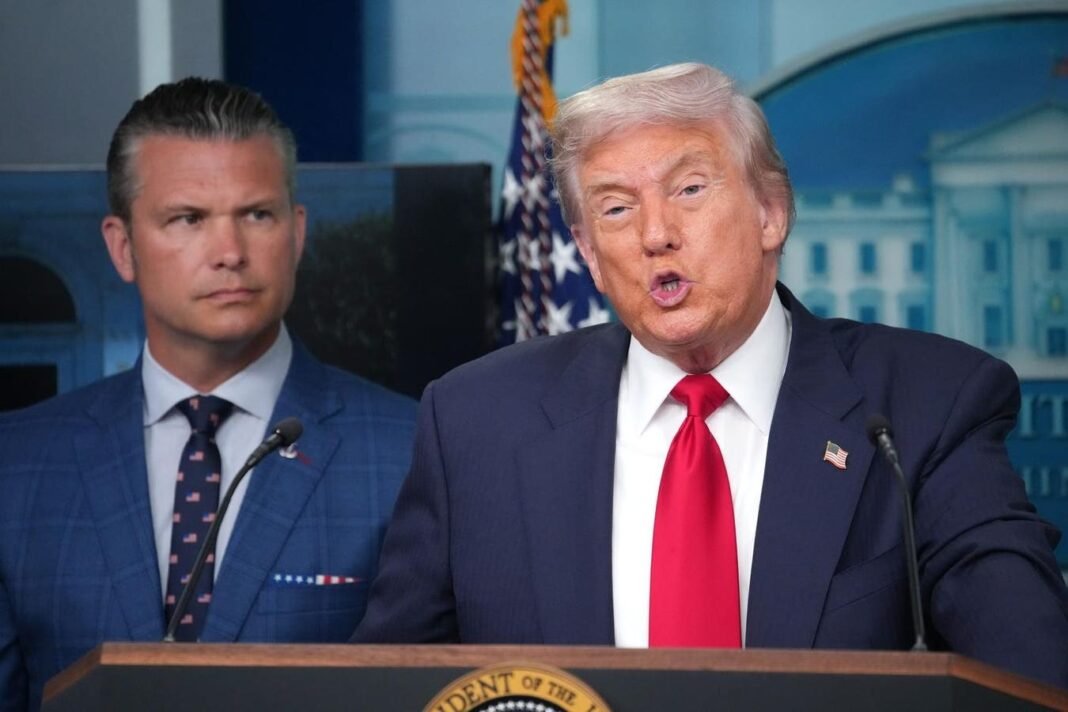
Pete Hegseth, who currently serves as secretary of Defense, will also assume the additional title “Secretary of War.” He has been charged with drafting legislative proposals aimed at permanently embedding this name change into federal law.
The Motivation Behind Restoring “Department of war”
This initiative follows recent statements by former President Donald Trump criticizing the term “Defense” as overly passive. He advocated for terminology that more clearly conveys America’s military strength and determination. Historically, during both World Wars I and II, U.S. victories were achieved under the banner of a Department explicitly named for war rather than defense.
“Major global conflicts were resolved not under ‘Defense’ but through decisive leadership from what was then called the Department of War,” emphasized Secretary Hegseth in a recent interview.
A Broader Movement in Military Naming Practices
This renaming aligns with wider efforts led by Secretary hegseth to revisit names across military installations nationwide. Earlier in 2025, Fort Liberty reverted back to its original name Fort Bragg-honoring Private First Class Roland L. Bragg-and reversing previous changes tied to addressing Confederate associations.
Similarly, Fort Moore was renamed back to fort Benning after reevaluation concerning its Confederate-linked namesake. These decisions highlight ongoing tensions between preserving tradition and embracing contemporary values within military culture and policy debates.
Addressing controversial Policies Within Armed Forces
Secretary Hegseth has also moved against diversity programs labeled as “woke” initiatives within military institutions-calling for their elimination along with personnel who supported them-demonstrating his commitment toward reshaping military identity according to his vision for stronger cohesion based on traditional principles.
The Strategic Importance of Language in National Security Messaging
This rebranding underscores how terminology influences public perception about defense priorities amid rising global threats. With worldwide defense expenditures surpassing $850 billion in 2024-the highest ever recorded-the symbolic resonance behind naming conventions carries importance beyond mere words or branding exercises.
- Name restoration: Reviving historic titles evokes legacy strength while signaling renewed strategic intent;
- Cultural implications: Reflects broader societal debates over history’s role shaping armed forces’ identity;
- tactical symbolism: Renamed sites like “Pentagon War Annex” reinforce readiness postures;
- Linguistic precision: Shifting away from ambiguous terms toward explicit war-related language may boost internal morale and external perceptions;
- Lawmaking impact: Legislative efforts aim at institutionalizing these changes permanently within goverment frameworks.
NATO’s Recent Strategic Overhaul: A Comparative Insight
NATO recently revised its strategic concept document emphasizing deterrence against emerging challenges such as cyber warfare-a reminder that while names do not define capabilities alone, they serve as rallying points for collective security efforts worldwide. Similarly, America’s renaming signals intent alongside practical adjustments within its own command structure amid evolving threats like hybrid warfare tactics observed recently across Eastern Europe.
The Path Forward: Meaningful Reform or symbolic Gesture?
This progress invites analysis on whether restoring historic nomenclature will lead to substantive policy shifts or remain largely symbolic amidst complex security environments marked by cyberattacks increasing over 30% annually worldwide and multifaceted geopolitical tensions globally.
“Language plays a critical role when forging national identity around security priorities,” remarked one senior analyst familiar with Pentagon affairs.
The Evolving Role of Terminology in Military Strategy
This decision highlights how governments strategically employ language-not only internally among service members but externally toward allies and adversaries-to project power narratives aligned with modern geopolitical realities while simultaneously honoring past foundations that shaped past successes.