Tulsi Gabbard Resigns as Director of National Intelligence Amid Family Health Crisis
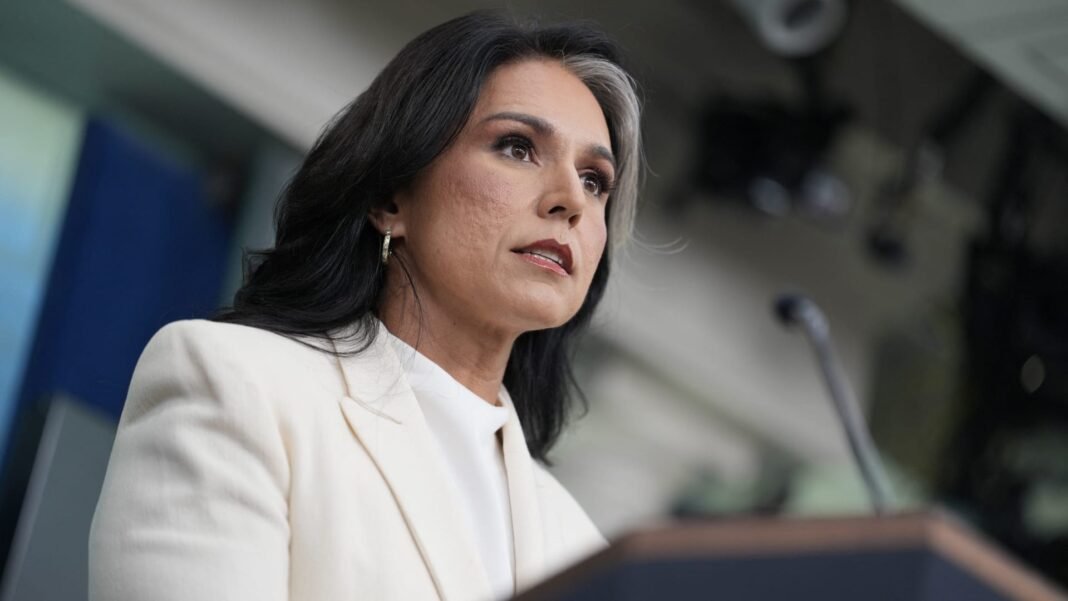
Tulsi Gabbard has officially stepped down from her position as Director of National Intelligence (DNI) during President Donald Trump’s administration. this decision follows her choice to focus on supporting her husband, Abraham williams, who is currently battling a rare and aggressive bone cancer.
Prioritizing Family Over Public Service
In a sincere letter addressed to President Trump, Gabbard expressed that maintaining the demanding responsibilities of DNI while facing such a personal crisis would be unsustainable.She highlighted the importance of being present for her husband during this difficult time rather than managing the extensive duties involved in leading America’s intelligence community.
The resignation is scheduled to take effect on June 30, ensuring an orderly handover within the intelligence leadership structure.
Leadership Transition and Interim Appointment
Following Gabbard’s announcement, President Trump confirmed that Aaron Lukas, Principal Deputy Director of National Intelligence, will serve as acting DNI. The president acknowledged Gabbard’s contributions and expressed regret at losing an official with such expertise and dedication.
A Period Marked by Cabinet Changes
This resignation adds to several notable departures within Trump’s cabinet this year. For instance:
- Lori Chavez-DeRemer, who recently resigned as Secretary of labour after less than two years for private sector opportunities;
- Pam Bondi, dismissed amid controversies surrounding high-profile legal cases;
- Kristi Noem, removed from homeland Security following disputes over immigration enforcement policies;
- Tulsi Gabbard, stepping down due to family health concerns but leaving behind a distinctive legacy in national security debates.
Tulsi gabbard’s Distinctive Role in Politics and Intelligence Leadership
A former Democratic congresswoman from Hawaii who later adopted Republican-aligned views, Tulsi brought an unconventional approach when she was appointed DNI shortly after Trump’s second term began. She oversaw 18 agencies forming one of the largest intelligence networks globally.
Her military service included deployments in Middle Eastern operations that shaped her cautious outlook on foreign interventions-a stance reflected consistently throughout her tenure.
An Advocate Against Escalating Military Conflicts
During heightened tensions with Iran last summer-when discussions about potential strikes against Iranian nuclear sites intensified-Gabbard publicly warned against reckless provocations between nuclear-armed states. In a rare video message, she criticized “warmongers” stoking fear unnecessarily. This position reportedly caused friction with President Trump at the time.
“I don’t care what she said,” he remarked regarding her Senate testimony disputing Iran’s nuclear ambitions.
“she’s wrong,” he added emphatically later on.
Controversy Surrounding Election Investigations Participation
Tulsi also drew attention by attending an FBI raid targeting election records at a Georgia county office linked to investigations into alleged irregularities during the 2020 presidential election-a race where claims of widespread fraud were repeatedly dismissed by courts despite persistent allegations from former President Trump supporters.
The Broader landscape: Cabinet Turnover Under trump’s Administration
The recent wave of resignations highlights ongoing instability within key government positions amid evolving political pressures. With nearly 150,000 personnel spread across agencies like CIA, NSA, FBI intelligence branches under DNI oversight-and global threats intensifying-the need for consistent leadership remains critical moving forward into late 2026 and beyond.
The Future Implications for U.S. Intelligence Strategy
The departure raises questions about continuity in coordinating America’s vast intelligence apparatus amid rapidly changing challenges-from cyberattacks increasing approximately 30% annually according to cybersecurity reports-to escalating geopolitical tensions involving china-Taiwan relations and other hotspots worldwide requiring vigilant monitoring and strategic foresight.
Evolving Policy Perspectives Shaped by Tulsi Gabbard
The role of DNI extends beyond operational command; it involves shaping how America anticipates emerging threats including terrorism resurgence post-Afghanistan withdrawal alongside risks posed by artificial intelligence weaponization-issues gaining prominence among global security experts today. Her anti-interventionist philosophy contrasted sharply with more hawkish voices inside government but resonated deeply among voters fatigued by decades-long overseas conflicts costing trillions without clear victories or lasting peace dividends-estimated defense expenditures since early 2000s wars exceed $8 trillion according to recent analyses.