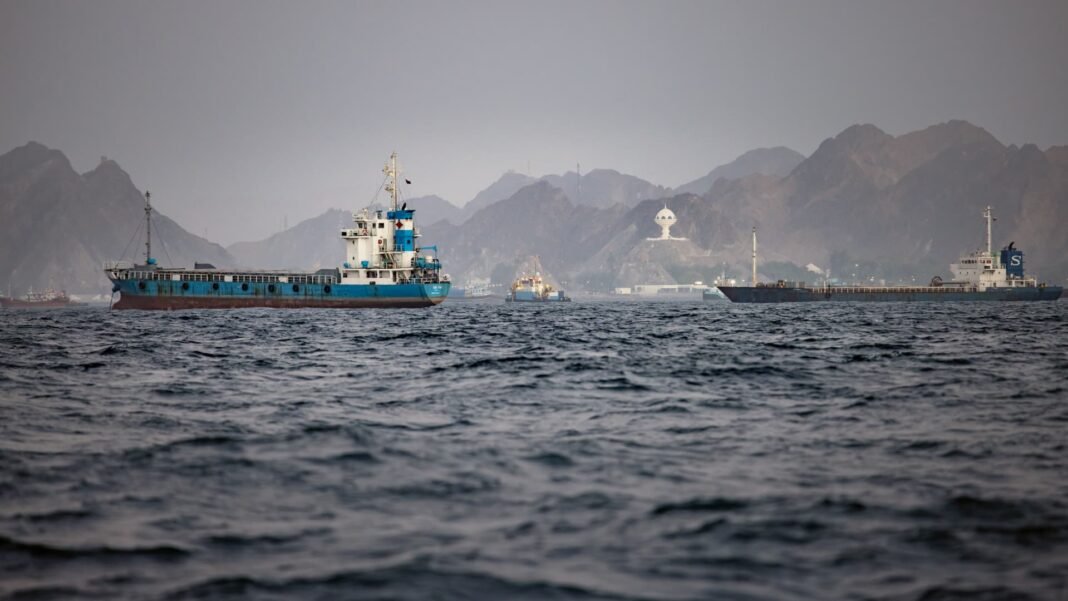
Declining Oil Prices Amid Evolving Conditions in the Strait of Hormuz
In mid-2026, oil prices have experienced a notable decline, largely driven by reduced tanker traffic congestion near the strategically vital Strait of Hormuz. Despite a recent attack on a cargo vessel in the Gulf of Oman, fears surrounding potential supply interruptions have diminished as more ships reroute to avoid this critical maritime corridor.
Recent Trends in Oil Pricing and Market Reactions
The global crude oil benchmarks reflect this shift: Brent crude futures for August delivery dropped roughly 3.2%, closing at about $72.83 per barrel, while U.S. West Texas Intermediate (WTI) contracts mirrored this fall to approximately $69.62 per barrel. These price movements indicate investor recalibration amid changing geopolitical tensions and logistical developments affecting key oil transit routes.
Maritime Security Concerns Amid Regional tensions
the Middle East continues to be under close scrutiny due to ongoing disputes that threaten energy market stability. A Singapore-flagged cargo ship was recently targeted off OmanS coast within the Strait of Hormuz-a passage responsible for nearly one-fifth of daily global petroleum shipments-raising alarms over possible escalation risks.
Fortunately, authorities confirmed no injuries or environmental damage resulted from this incident, alleviating immediate concerns about broader disruptions in maritime trade security.
Global Measures Ensuring Safe Passage Through High-risk Zones
The International Maritime association had previously activated evacuation protocols designed to protect vessels navigating through volatile areas around the strait; though, these measures are currently on hold as officials reassess threat levels and adjust safety strategies accordingly.
Diplomatic Disputes Affecting Oil Supply Stability
Tensions between Iran and the United States persist regarding frozen Iranian assets tied to agreements aimed at mitigating sanctions impacts while fostering economic cooperation. Iranian lawmakers have publicly refuted claims that any released funds would be used for purchasing American agricultural products-a key humanitarian component emphasized by U.S officials involved in asset unfreezing negotiations.
Meanwhile, U.S representatives maintain stringent oversight over any potential fund disbursements, underscoring commitments that such resources would support Iranian civilians through food imports sourced from American farms if released at all.
Expert Perspectives on Diplomatic Agreement Prospects
- Cautious Optimism: Analysts point out lingering uncertainties regarding enforcement mechanisms embedded within current diplomatic frameworks governing asset releases and regional security guarantees.
- Strategic Influence: Some experts argue Iran wields significant leverage over global energy markets due to its control over chokepoints like the Strait of Hormuz-capable theoretically of disrupting worldwide supply chains should hostilities intensify further.
Evolving Dynamics Within OPEC: Production Quotas and membership changes
The Organization of Petroleum Exporting Countries faces internal pressures following recent developments such as Iraq’s push for higher production quotas amid subdued exports and shifts like the United Arab Emirates’ unprecedented departure earlier this year-the first since OPEC’s inception decades ago.
Iraq has hinted it might exit OPEC if its demands remain unmet, potentially altering cartel dynamics just as global energy consumption patterns evolve post-pandemic with renewable sources expanding rapidly-renewables accounted for nearly 30% growth in new power capacity additions worldwide last year according to latest industry data trends.
An Energy Sector Transforming Under Geopolitical Strains
“The complex interaction between geopolitical risks and basic market forces continues driving volatility in oil prices,” noted an industry strategist closely monitoring Middle Eastern affairs.
“As choice energy gains traction alongside shifting alliances among producers within OPEC+, traditional constraints on supply may become increasingly unpredictable.”

The Road Ahead: Navigating Volatility in Global Oil Markets
The easing congestion near crucial shipping lanes combined with ongoing political frictions highlights how delicate current balances remain across international energy markets. Stakeholders must stay alert to unfolding events both at sea and within diplomatic arenas influencing supply reliability throughout late 2026 and beyond.