India’s Role in the Russian Oil Market Amid Global Sanctions
Profiting from Discounted Russian Crude
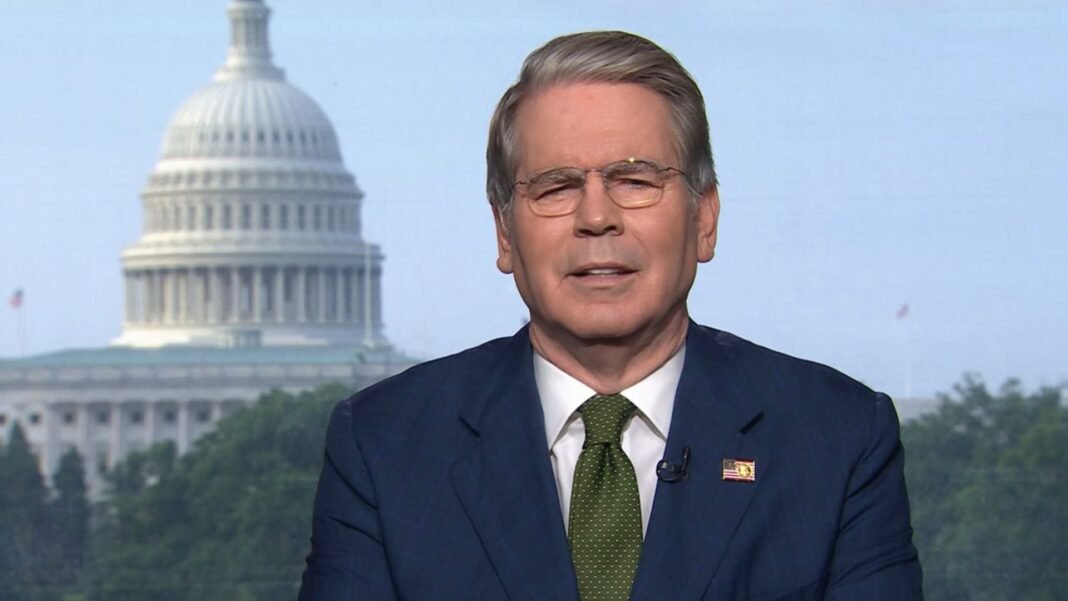
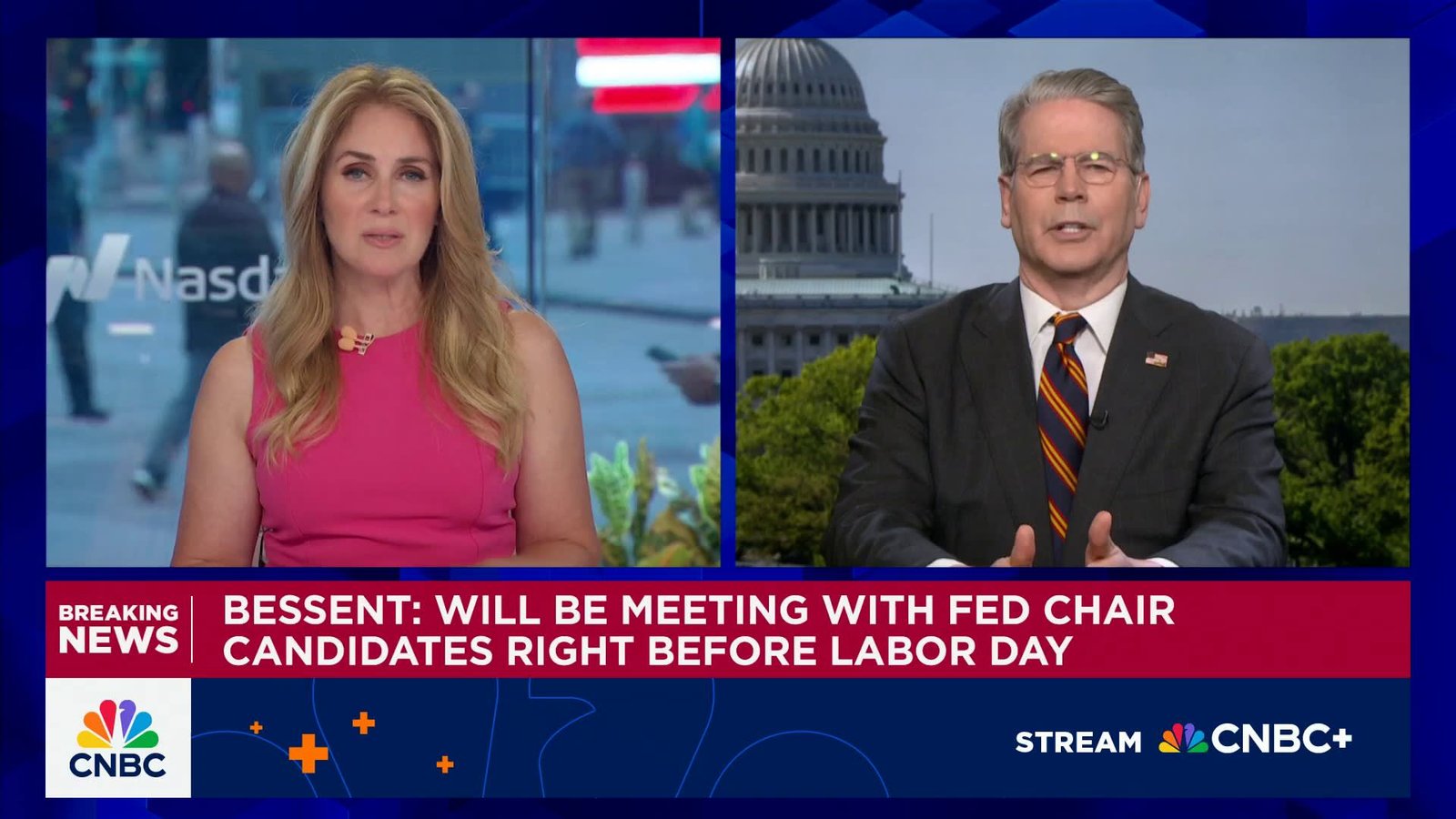
Treasury secretary Scott Bessent recently criticized India for capitalizing on the opportunity to purchase discounted Russian oil during the ongoing conflict in Ukraine. He described this activity as a form of “arbitrage,” highlighting concerns over India’s resale of refined products derived from cheap crude.
Bessent emphasized that Indian entities have reportedly earned approximately $16 billion in excess profits by buying low-cost Russian oil, refining it into gasoline and diesel, and then selling these fuels internationally. This practice has drawn scrutiny due to its implications amid global sanctions targeting Moscow.
Surge in India’s Imports Since the Ukraine Conflict
Since Russia’s full-scale invasion of Ukraine began in February 2022, India’s imports of Russian crude have skyrocketed. prior to the conflict, india’s purchases were minimal; however, recent data shows that India imported around 1.5 million barrels per day (bpd) as of July 2025, making it Russia’s largest oil customer globally.
China follows as the second-largest importer with about 1 million bpd last month.This shift reflects a meaningful realignment in global energy trade flows driven by geopolitical tensions and sanctions regimes.
The U.S. Response: Tariffs Targeting Indian Exports
In response to India’s increased reliance on Russian oil, former President donald Trump imposed an additional 25% tariff on Indian goods exported to the United States starting next week.These tariffs aim to penalize New Delhi for undermining Western sanctions against Moscow.
This move is part of broader efforts labeled as “secondary tariffs,” designed to pressure countries purchasing sanctioned Russian energy into reconsidering their trade relationships with Russia until a diplomatic resolution is reached regarding Ukraine.
Differentiating Between China and India
Bessent noted that China has not faced similar secondary tariffs despite being a major buyer of Russian crude because its import levels were already substantial before hostilities escalated-unlike India’s more recent surge prompted partly by international requests.
The Strategic Role Played by India According to Energy Experts
Bob McNally, president of Rapidan Energy and former advisor within U.S. administrations, explained that India’s increased imports were initially encouraged by Washington. The Biden administration sought India’s cooperation to absorb some volumes of sanctioned Russian crude after other nations imposed bans-aiming primarily at stabilizing global fuel prices and preventing sharp spikes affecting consumers worldwide.
“India was instrumental within the price cap sanction framework developed by Western allies,” McNally stated, “helping maintain controlled flows while limiting revenue streams available to Moscow.”
A Complex Balancing Act Amid Global Energy Security Concerns
This nuanced approach underscores how geopolitical strategy intersects with economic realities: balancing punitive measures against Russia while avoiding severe disruptions in energy markets that could exacerbate inflation or supply shortages globally.
The Broader Impact on International Trade Dynamics
- India’s growing role: Emerging as a key player reshaping conventional energy supply chains amid shifting alliances and sanctions enforcement;
- Evolving U.S.-India relations: Navigating tensions caused by conflicting interests over sanction compliance versus economic growth;
- Moscow’s adaptation: Redirecting exports toward receptive markets like India and China despite Western restrictions;
- The future outlook: Monitoring how these developments influence long-term global energy security policies and diplomatic negotiations surrounding Ukraine’s conflict resolution efforts.
A New Chapter for Global Oil Trade Patterns?
The situation exemplifies how international conflicts can rapidly alter commodity flows-prompting countries like India not only to adjust their import strategies but also inadvertently become central figures within complex sanction frameworks aimed at curbing aggression without triggering widespread market instability or humanitarian fallout worldwide.