Rising Tensions in the Strait of Hormuz: U.S. and Iran Engage in Military Clashes Amid Ceasefire Strains
Strategic Significance of the Strait and Recent Confrontations
The Strait of Hormuz, a vital maritime corridor responsible for transporting nearly 20% of the world’s oil as of 2024, has once again become a hotspot for military conflict. This narrow passageway is crucial to global energy security,with disruptions here having far-reaching economic consequences.
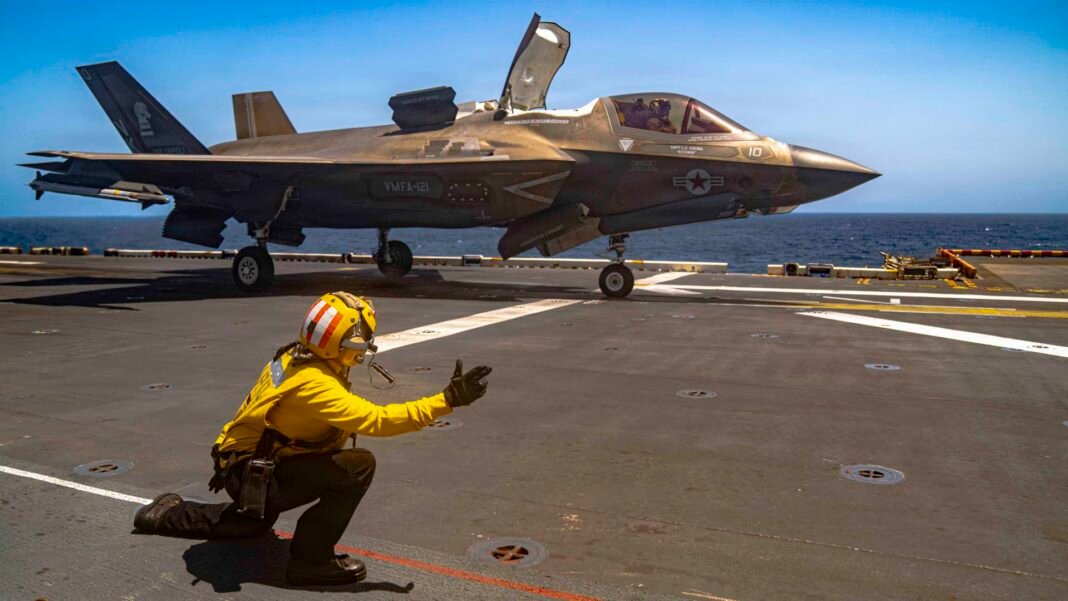
Recently, an F-35B Lightning II jet from Marine Fighter Attack Squadron (VMFA) 121 took off from the USS Tripoli, an America-class amphibious assault ship, showcasing advanced U.S. military presence aimed at safeguarding navigation through this critical waterway.
Escalation Following Drone Assaults on Commercial Vessels
Tensions escalated after Iranian forces deployed unmanned aerial vehicles targeting commercial ships transiting the strait. One notable incident involved a one-way drone strike against the Singapore-flagged cargo ship Ever Lovely near Oman’s coastline. Despite sustaining damage, the vessel managed to continue its voyage through this essential trade route.
In response, U.S. Central Command executed precise strikes on Iranian missile storage sites, drone depots, and coastal radar systems to diminish further threats posed by these attacks.
Defensive Actions and Persistent Threats
- The U.S.military successfully intercepted three additional drones launched toward commercial shipping lanes during these confrontations.
- Bahrain condemned Iran’s drone attack as a blatant violation of its sovereignty and international laws protecting civilian maritime traffic.
- A tanker operating within the strait reported bridge damage caused by an unidentified projectile; fortunately, no crew members where injured in this incident.
Diplomatic efforts Struggle Amid Rising Hostilities
This surge in violence occured shortly after both countries signed a memorandum aimed at fostering lasting peace and ending ongoing conflicts between them. Vice President JD Vance recently met with Iranian officials in Switzerland to advance diplomatic negotiations focused on de-escalation.
Despite public calls for dialog over aggression voiced by Vance during these talks emphasizing adherence to ceasefire agreements, Iranian authorities justified their retaliatory strikes as responses to alleged violations by U.S. forces near their coastline.
Iran’s Stance on Sovereignty Over Maritime Passage
“Clause 5 of the Islamabad Memorandum clearly states that control over passage through the Strait belongs solely to Iran,” declared representatives from Iran’s Islamic Revolutionary Guard Corps (IRGC).”U.S provocations undermine this agreement and will be met with appropriate countermeasures.”
Regional Responses Reflect Growing Instability Concerns
Bahrain publicly denounced recent Iranian actions as direct threats not only against its national security but also against civilians living nearby-a sentiment echoed across Gulf Cooperation Council nations worried about escalating tensions disrupting regional stability and commerce alike.
Divergent Perspectives Complicate Peace Prospects
- The IRGC warned that any further aggression would trigger even stronger retaliation beyond current measures taken so far.
- Iranian parliamentary security officials criticized washington for undermining negotiation efforts through unilateral military operations amid ongoing peace talks designed to resolve conflicts peacefully.
The Critical Role of ensuring Freedom of Navigation Through Hormuz
the Strait remains indispensable for global energy markets; interruptions here can cause significant ripple effects worldwide-impacting oil prices and supply chains dramatically-as seen during past crises when temporary closures pushed crude prices above $150 per barrel in early 2020.
An Urgent Appeal for De-escalation Amid Heightened Risks
This recent exchange highlights how fragile ceasefires are when underlying disputes remain unresolved despite formal agreements.If diplomatic efforts falter or provocations continue unchecked-whether via sea or airspace incursions-the risk intensifies that localized incidents could escalate into broader conflicts involving multiple regional actors within this geopolitically sensitive area.