
UK Inflation Patterns and Economic Prospects
Current Trends in UK Inflation Rates
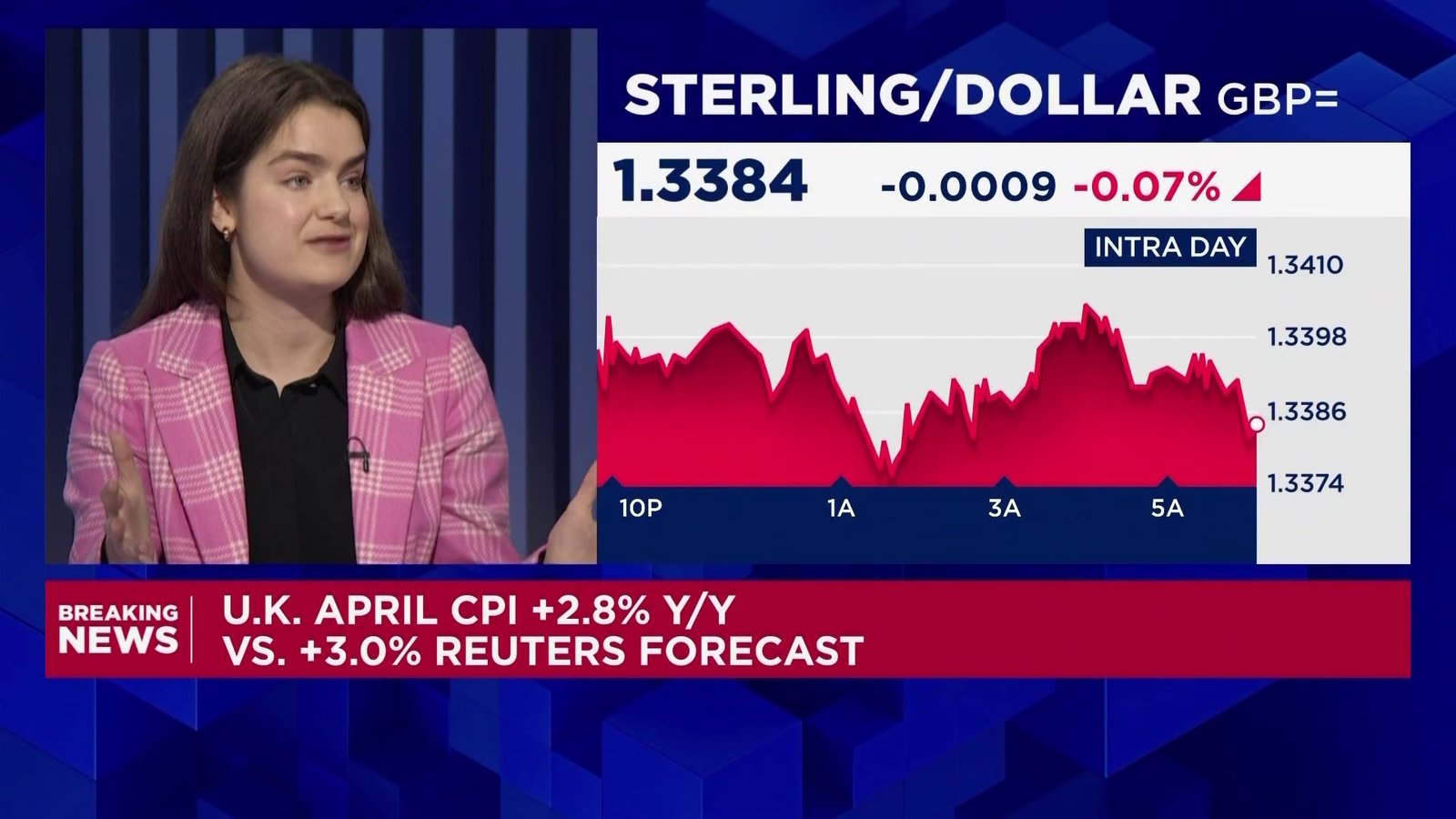
The United Kingdom has witnessed a moderation in inflation, wiht the rate falling to 2.8% in April, slightly outperforming economists’ expectations of around 3%, down from 3.3% recorded in March. This easing reflects a combination of policy measures and market factors influencing consumer prices.
A notable contributor to this slowdown was the energy price cap introduced by ofgem at the start of April,which helped alleviate household energy costs.Nevertheless,inflationary pressures persist due to ongoing geopolitical tensions disrupting global oil and gas supplies.
Energy Prices: A key Driver Behind Consumer Cost Changes
The decline in electricity and gas tariffs played a crucial role in softening inflation last month. Government interventions such as targeted subsidies on energy bills, alongside reduced wholesale prices prior to recent Middle East conflicts, were instrumental in this development.
Beyond energy expenses, smaller increases were noted for water charges and vehicle taxes compared with last year’s steeper rises. Additionally, food prices-particularly fresh produce like vegetables and dairy-and travel package costs contributed to easing overall inflationary pressure.
conversely, petrol station fuel prices continued their upward trend while modest hikes occurred in clothing and footwear sectors, partially offsetting some gains made elsewhere.
The Bank of England’s Monetary Policy challenge
The Bank of England (BOE) remains alert to evolving inflation dynamics including potential “second-round” effects where wage demands escalate or businesses pass higher input costs onto consumers. market sentiment currently anticipates a possible interest rate increase by 25 basis points during the BOE’s July meeting-possibly raising the benchmark Bank Rate to 4%.
This cautious stance is influenced by signs of economic fragility: recent labor market data showed unemployment edging up from 4.9% to approximately 5%, indicating softness amid subdued growth prospects.
MPC’s Strategy Amid Mixed Economic Signals
The Monetary Policy Committee appears divided between immediate tightening or waiting for clearer economic trends before acting decisively. Many analysts expect rates may remain steady during June’s review as policymakers seek to avoid premature moves that could hinder recovery or exacerbate vulnerabilities within key sectors.
Forecasts Point Toward Rising Inflation risks Later This year
“Despite April’s temporary dip in inflation figures, projections suggest an increase beyond 4% later this year driven primarily by surging energy costs,” explained a senior economist.
“The critical issue now is whether these cost pressures will translate into broader wage hikes or price increases across industries less directly affected by fuel expenses.”
Wage Growth and Price Pass-Through: Potential Inflation Amplifiers
If workers begin pushing for higher wages amid persistent living cost challenges-and service sectors not heavily exposed to energy bills raise their prices-the BOE might be compelled toward earlier monetary tightening than currently anticipated.
this scenario highlights why central bankers remain vigilant; years marked by repeated supply chain disruptions globally have left limited room for complacency when managing inflation risks while supporting economic stability simultaneously.
Scrutiny Over UK Government Energy Policies
The government faces criticism regarding its management of soaring household energy bills despite being a net importer reliant on underutilized North sea reserves relative to their potential output capacity. Recent policy announcements indicate forthcoming reforms aimed at enhancing parliamentary oversight over major energy projects-a move designed to improve openness and strategic decision-making within this vital sector.
An Evolving Economic Environment Requires Close Observation
“Key indicators include wage negotiations across various industries alongside consumer price adjustments outside direct utility impacts,” noted an economist specializing in European markets.
“Should sustained upward pressure emerge here, monetary tightening measures are likely sooner rather than later.”
Navigating Inflation Amid global Uncertainties: What Lies Ahead?
- Volatile Inflation Trends: Current data shows easing partly due to regulatory caps combined with government support;
- Sustained External Shocks: Ongoing geopolitical conflicts continue shaping commodity markets worldwide;
- Cautious Central Banking: The BOE balances efforts between controlling rising prices without undermining fragile economic growth;
- looming Uncertainties: Wage developments coupled with shifting consumer behavior will influence future monetary decisions;
This intricate interplay underscores how UK authorities must continuously adapt policies throughout the year-striving both for stable household purchasing power and resilience within broader economic frameworks amidst evolving global challenges.