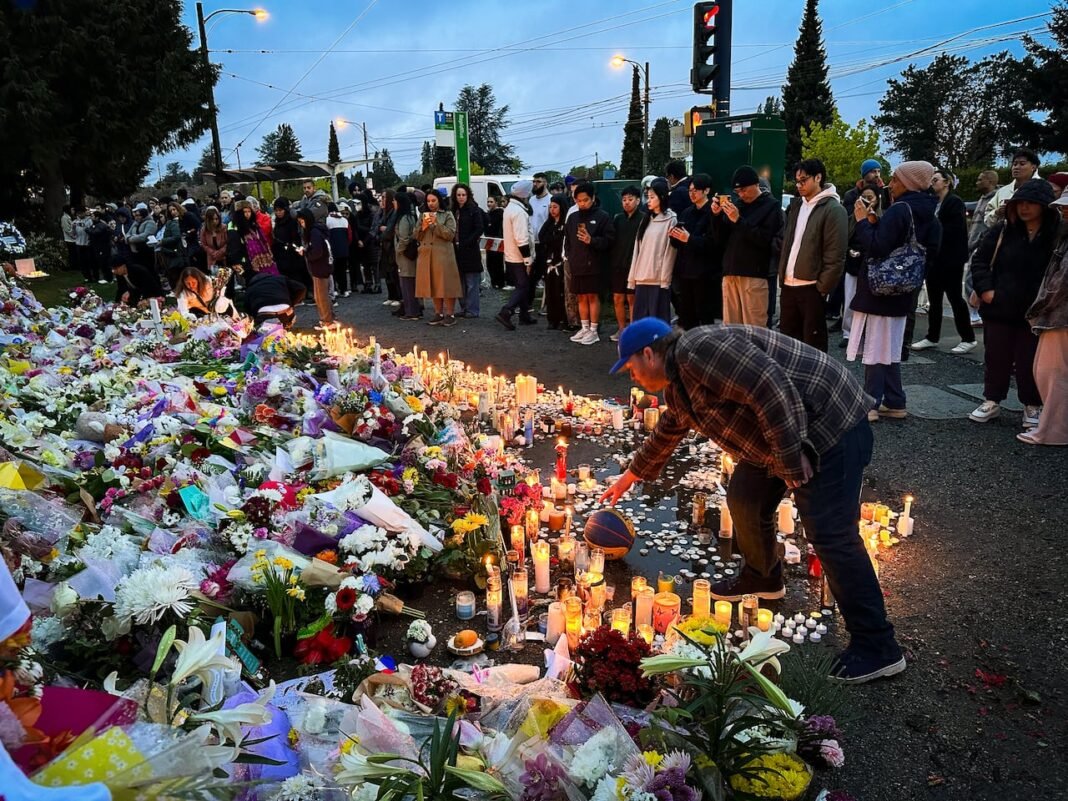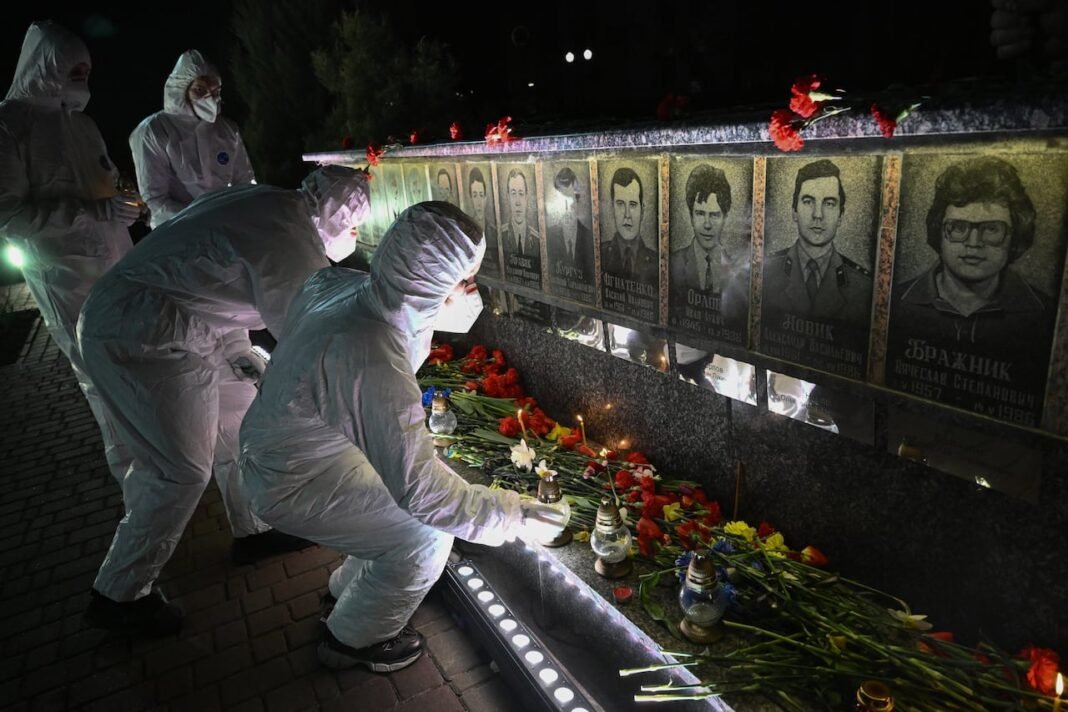
Four Decades After the Chornobyl Disaster: A Sobering Reflection
Marking 40 years since the catastrophic nuclear accident at Chornobyl, Ukraine reflects on one of the most severe nuclear crises in history. The event unleashed massive quantities of radioactive substances across Europe, causing thousands of deaths and leaving a legacy of environmental devastation that endures today. Current conflicts in the region raise fears about repeating such a disaster.
Heightened Nuclear Risks Amid Regional Conflict
The ongoing war has intensified concerns over nuclear safety, especially with Russian military operations near key Ukrainian nuclear facilities. Of particular alarm is russia’s control and repeated shelling around Ukraine’s Zaporizhzhia nuclear power plant-the largest in Europe-sparking fears reminiscent of Chornobyl’s tragedy.
Since March 2022, russian forces have held Zaporizhzhia, with Kyiv reporting over 20 temporary power outages at the site caused by combat activities as of early 2024. These interruptions threaten not only Ukraine’s energy supply but also pose grave risks to regional security due to potential radioactive exposure.
Global Attention and Protective Measures
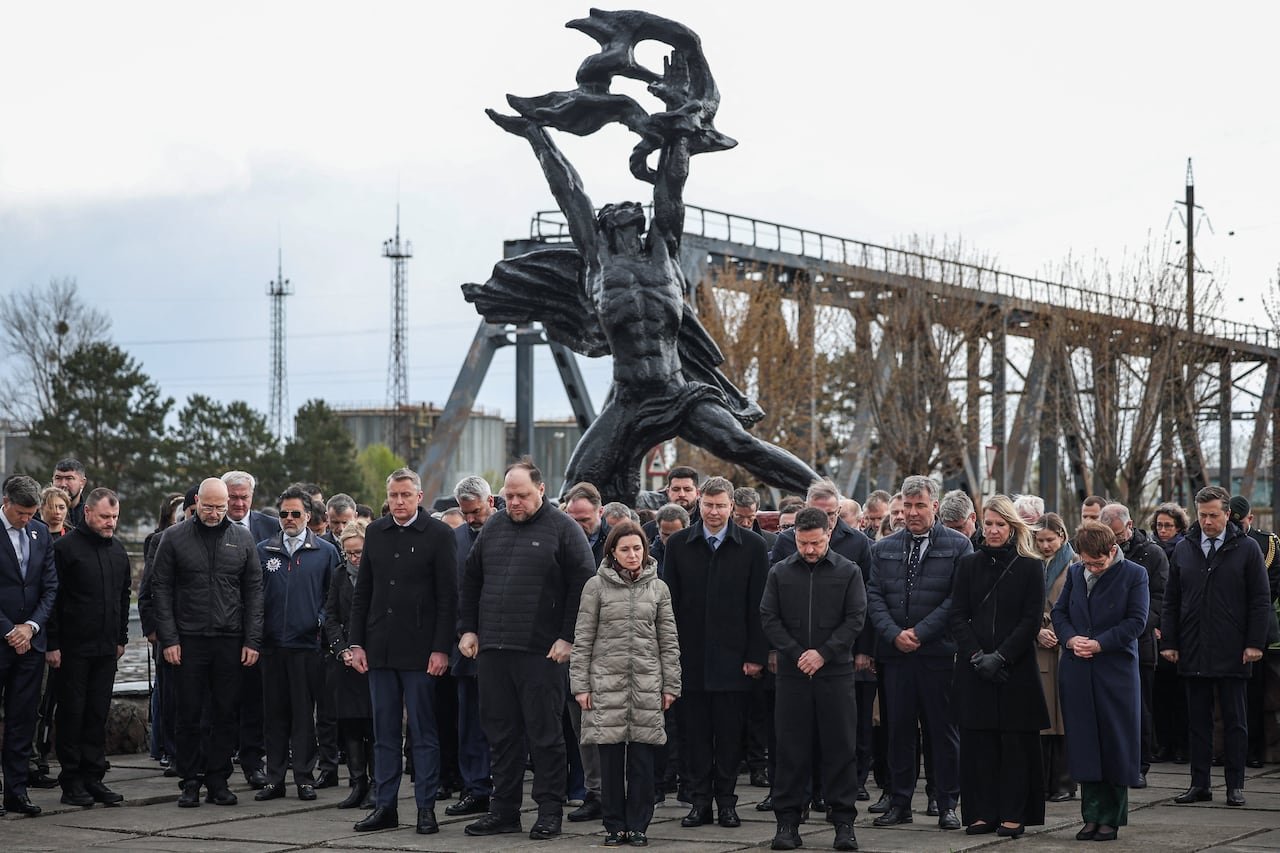
This milestone anniversary attracted visits from international energy officials who gathered in kyiv to honor victims and emphasize global commitment toward protecting Ukraine’s critical energy infrastructure amid persistent attacks targeting power plants.
The Fragility of Nuclear Safety Infrastructure Today
A drone attack by russian forces in early 2025 inflicted damage on the New Safe Confinement arch covering reactor four at Chornobyl-a structure engineered to contain radioactive debris since its meltdown in April 1986. Although radiation levels remained stable post-attack,experts warn urgent repairs exceeding €500 million are essential to prevent irreversible contamination risks.
The European Bank for Reconstruction and Development is spearheading fundraising efforts for these critical restorations while International Atomic Energy Agency officials call for immediate intervention before further structural degradation occurs.
Rising Drone Threats Near Nuclear Facilities
Ukrainian defense sources report detecting upwards of ninety Russian drones operating within five kilometers of vital nuclear sites during mid-2024 alone-an unprecedented surge highlighting escalating aerial threats against sensitive infrastructure amid wartime conditions.
Nuclear Power: Backbone Amidst Warfare Challenges
Nuclear energy now accounts for nearly 70 percent of Ukraine’s electricity production-a sharp rise from pre-conflict figures-as customary generation methods have been compromised due to ongoing hostilities damaging conventional power plants. This shift underscores both strategic reliance on and vulnerability within facilities like Zaporizhzhia under current geopolitical strains.
The Contentious Battle Over Control
The status quo surrounding Zaporizhzhia remains a major sticking point during peace negotiations mediated internationally between Moscow and Kyiv; though, progress remains stalled as both parties assert firm claims over this crucial asset vital for national stability and regional safety alike.
The Lasting Impact: Health Consequences & Environmental Recovery Efforts
The initial explosion at reactor four forced mass evacuations affecting hundreds of thousands while exposing millions across Europe to dangerous radiation levels. Though estimates vary regarding total casualties linked directly or indirectly with radiation exposure-including elevated cancer incidences-the disaster continues influencing public health frameworks globally today.
“Chornobyl’s enduring wounds remind us that atomic technology must always prioritize safeguarding human life,” emphasized recent commemorative reflections advocating peaceful applications for nuclear science.”
Tales From Cleanup Veterans Reveal Historical Suppression
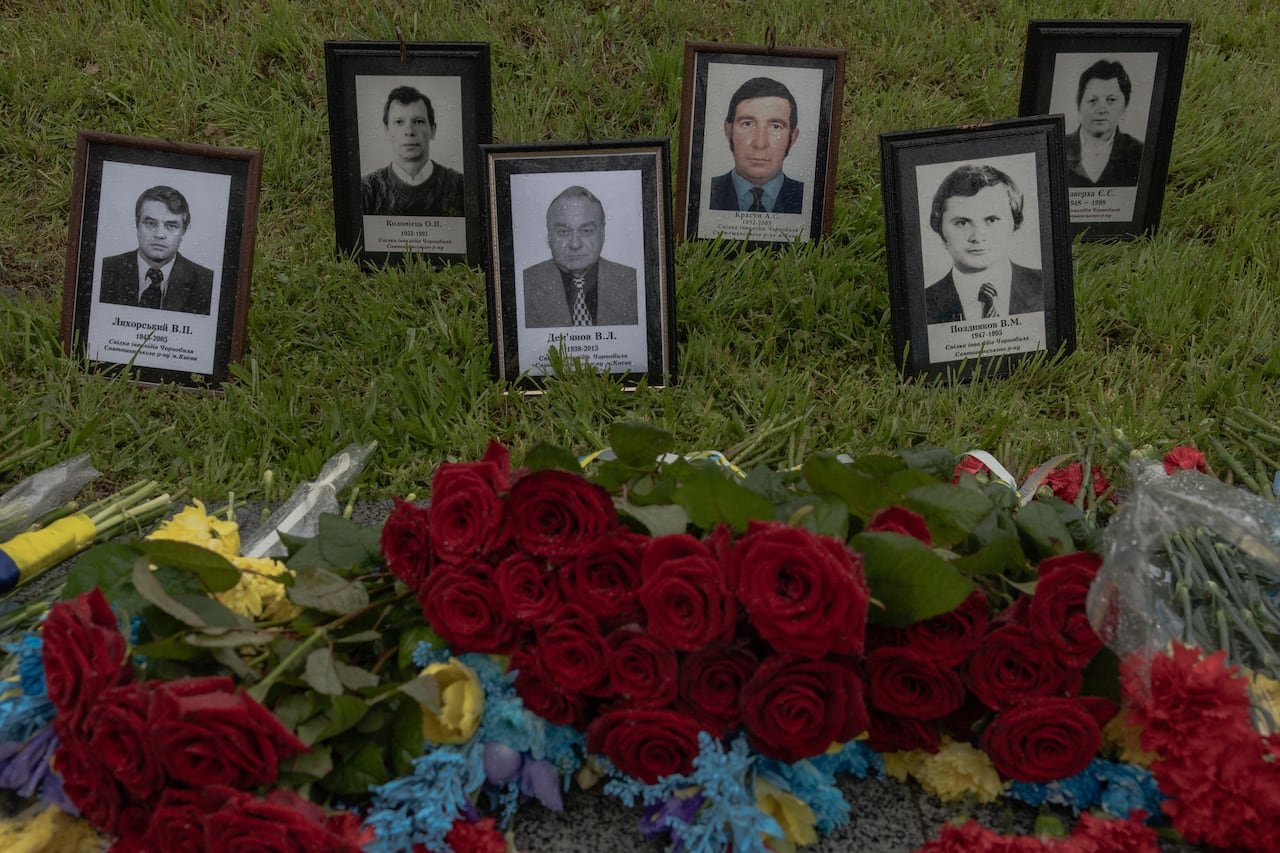
Chernobyl cleanup workers recount how Soviet authorities systematically minimized health repercussions suffered by personnel exposed during containment operations-denying connections between their illnesses and hazardous working conditions despite mounting evidence emerging decades later revealing long-term consequences endured onsite.
An Eerie Silence Envelops Today’s Exclusion Zone Landscape
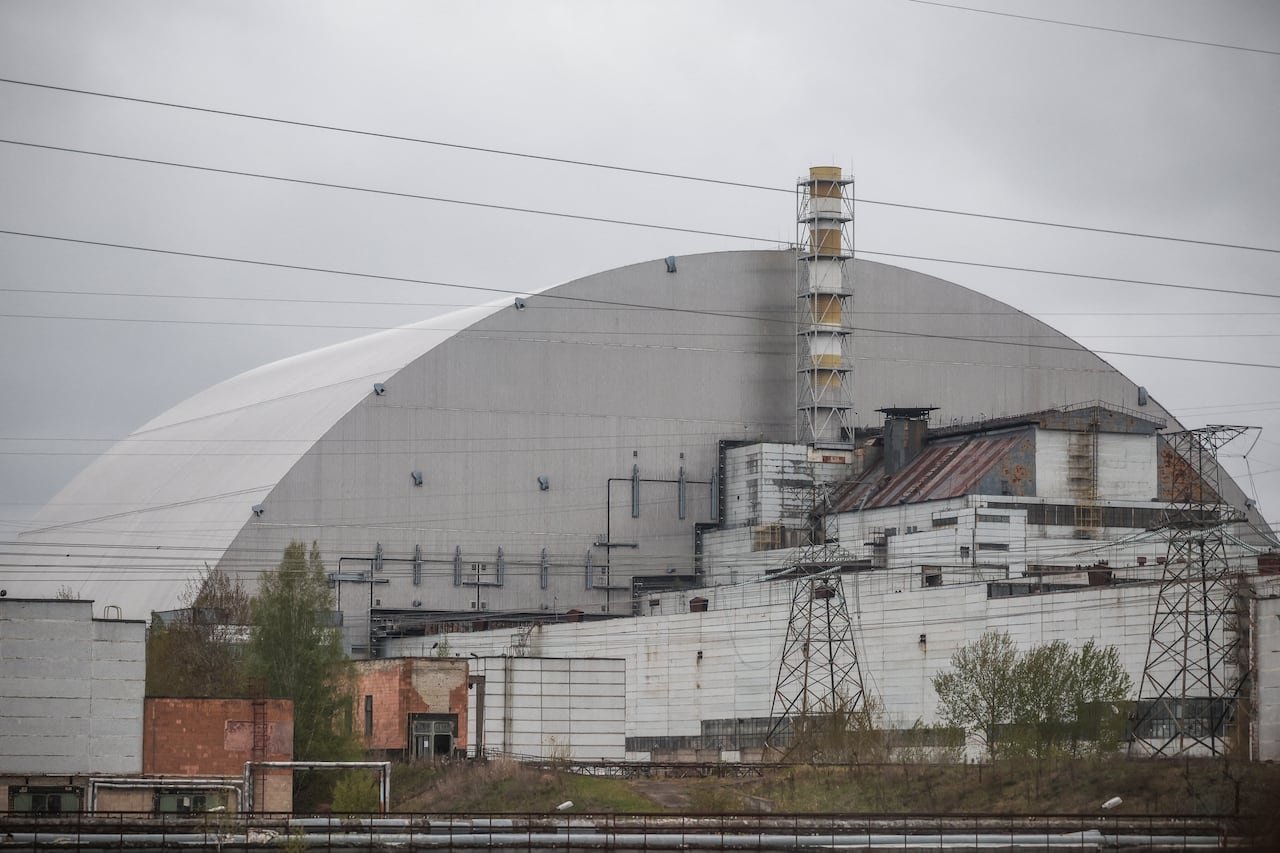)
Around two thousand specialists work rotating shifts managing gradual shutdown procedures within heavily secured zones encompassing former reactors inside an exclusion area spanning approximately 2600 square kilometers northward from Kyiv. Nature has reclaimed much territory here; wild horses roam freely alongside elk populations where once bustling urban centers like Pripyat stood-now silent monuments frozen after evacuation decades ago due to persistent contamination risks despite ecological resurgence nearby.