



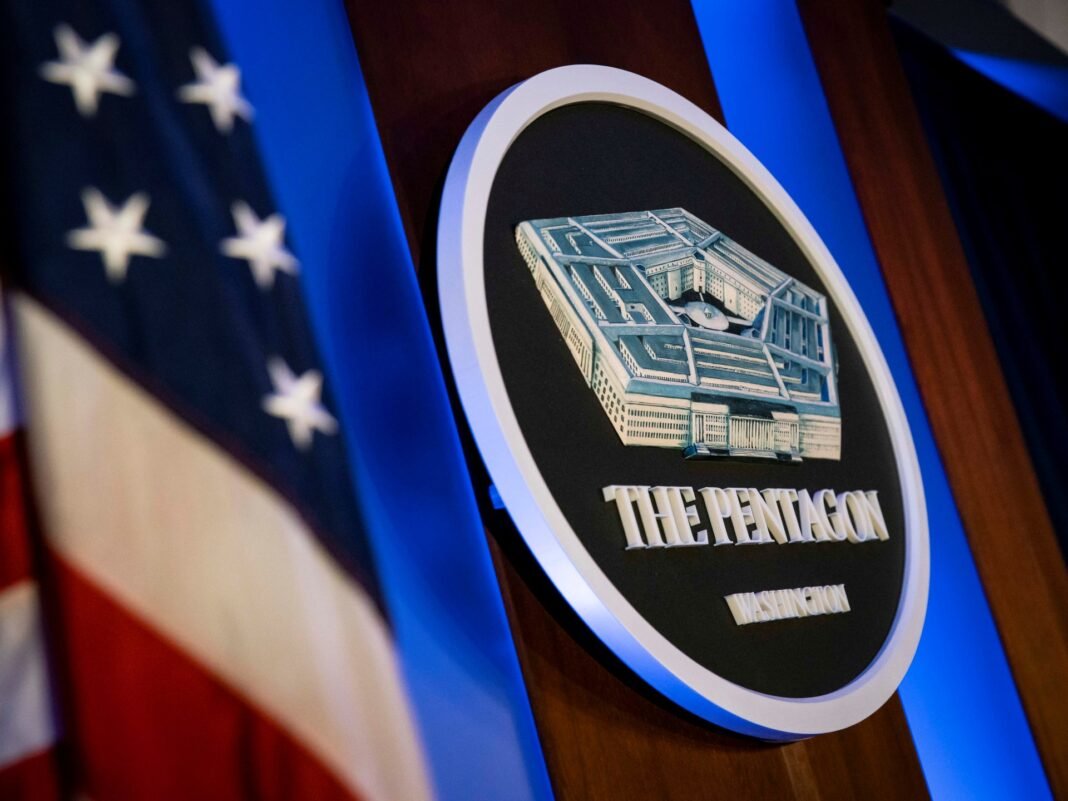
US Defense Strategy Evolves to Address Emerging Global Challenges
The Pentagon’s newest defense blueprint marks a decisive shift toward prioritizing the protection of the American homeland and countering China’s expanding global influence. simultaneously,it signals a reduction in direct military involvement with traditional allies in Europe and other regions,representing a significant departure from past defense doctrines.
Refocusing Military Commitments on Core Regions
The 2026 National defense Strategy (NDS) highlights an intensified focus on safeguarding US territory and managing threats primarily within the Indo-Pacific theater. This recalibration expects allied countries to take greater ownership of their own security needs, with Washington providing essential but scaled-back support outside these key areas.
This approach reflects shifting geopolitical realities where partners such as NATO members in Europe are encouraged to independently strengthen their defense capabilities rather than relying predominantly on American military presence. For example, Germany recently announced plans to increase its defense budget by over 40% through 2030, underscoring this trend toward self-reliance among allies.
A More Nuanced Diplomatic Approach Toward Strategic Competitors
departing from previous editions that labeled China as the primary adversary and Russia as an acute threat, the updated strategy adopts a more measured tone. It advocates for maintaining “respectful relations” with Beijing while acknowledging Russia’s ongoing but manageable challenges-notably regarding NATO’s eastern flank.
Notably absent is any mention of Taiwan-a critical US partner claimed by China-marking a strategic omission compared to earlier documents that explicitly affirmed support for Taiwan’s security amid rising tensions in the region.
Border Security Elevated as Central National Concern
The strategy places renewed emphasis on securing America’s borders as fundamental to national safety. It commits to intensifying efforts aimed at curbing illegal crossings and disrupting narcotics trafficking along southern frontiers-a response aligned with recent surges in unauthorized migration numbers exceeding 200,000 apprehensions monthly at peak periods.
The Pentagon also pledges stronger enforcement measures including expedited deportations for immigration violations, reflecting a stringent stance consistent with broader federal immigration policies focused on border integrity and law enforcement effectiveness.
Climate Change Excluded From Current Threat Prioritization
A striking omission from this version of the NDS is any reference to climate change or its potential impact on national security. This contrasts sharply with prior strategies that recognized environmental shifts as critical factors influencing military readiness and global stability amid increasing natural disasters worldwide.
Renewed Strategic Focus on Latin America Under New Doctrine
The document elevates Latin America within US strategic priorities more prominently than before, signaling intentions to reassert American military influence across the Western Hemisphere. The goal is twofold: protect domestic interests while securing vital regional terrain against external interference or destabilizing forces.
This renewed attention invokes what it terms the “Trump Corollary” – an updated interpretation of historic Monroe Doctrine principles designed nearly two centuries ago-to deter foreign powers from gaining footholds in Latin America through assertive US presence and policy initiatives.
Recent Operations Illustrate Assertive Regional posture
- A high-profile mission led by US forces resulted in detaining Venezuelan leader nicolás Maduro alongside his spouse-an unprecedented intervention signaling heightened willingness for direct action within neighboring nations’ affairs under this doctrine framework.
- A coordinated campaign targeted over thirty vessels suspected of drug trafficking across Eastern pacific routes; reports indicate these strikes caused upwards of 100 casualties among those aboard these boats involved in illicit activities disrupting regional stability.
Civil rights groups alongside international legal experts have voiced serious concerns about potential extrajudicial actions due to insufficient publicly available evidence linking all targeted vessels directly with criminal operations or posing immediate threats against US interests. Official authorities have yet to release thorough proof substantiating these claims fully.


