



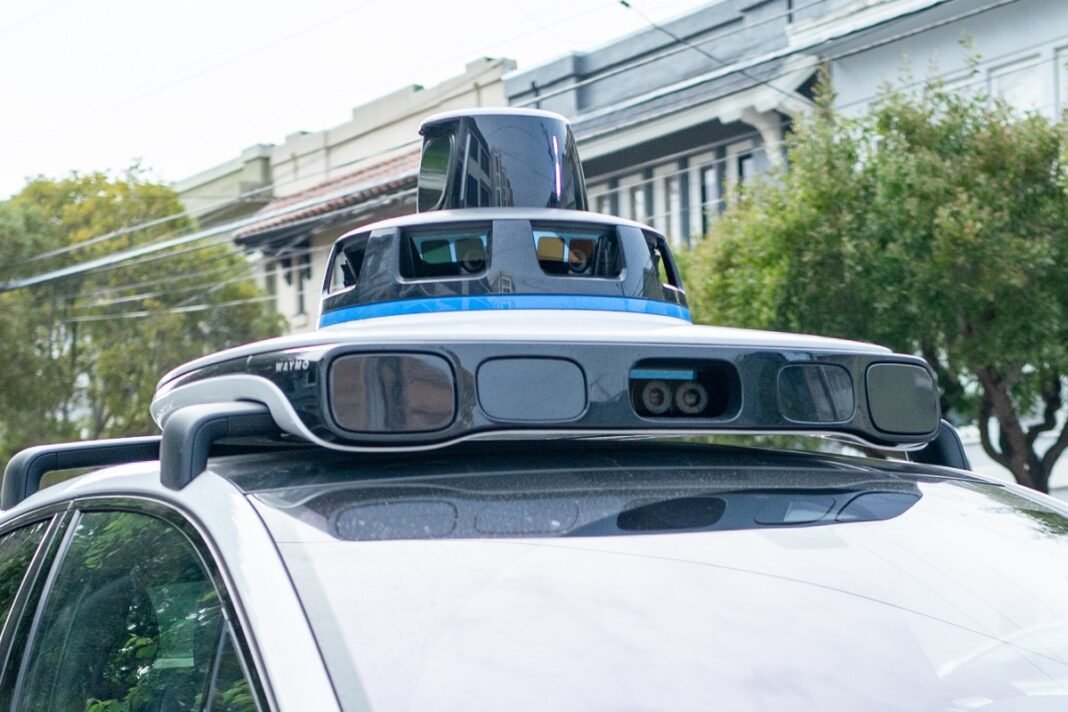
Waymo Launches Robotaxi Service in Dallas through Partnership wiht Avis
Strategic Expansion into a New Urban Market
Waymo, the autonomous vehicle division of Alphabet, is preparing to roll out its robotaxi service in Dallas next year, expanding its footprint beyond established hubs like Los Angeles and San Francisco.This launch marks a significant step in Waymo’s ongoing effort to bring self-driving technology to more metropolitan areas across the United States.
the company has formed a strategic alliance with Avis budget Group to manage its fleet of fully electric Jaguar I-Pace vehicles. Avis will handle critical operational tasks such as vehicle charging and maintenance at their depots, while riders will summon these driverless cars through the Waymo app for convenient on-demand transportation.
Innovative Fleet Management Collaboration
This partnership is Waymo’s first collaboration with a rental car company for autonomous fleet management. Previously, Waymo integrated robotaxis into Uber’s platform in cities like Austin and Atlanta and worked with Moove for fleet operations in Phoenix. The new relationship with Avis reflects an ambition to optimize scaling processes as Waymo expands into additional urban centers.
A representative from Waymo highlighted that leveraging Avis Budget Group’s expertise accelerates deployment timelines while reducing operational costs,enabling broader geographic coverage over time.
Avis Budget Group’s Role Beyond Traditional Rentals
The CEO of Avis Budget Group described this venture as a pivotal move toward transforming their business model from conventional car rentals into an integral part of the evolving mobility landscape by offering extensive fleet management services tailored specifically for autonomous vehicles.
Preparation and Testing Prior to Service debut
The decision to enter the Dallas market follows months of preparatory work earlier this year involving detailed mapping using sensor-equipped vehicles throughout key city areas. Subsequent public road trials have been conducted under human supervision following stringent safety protocols consistent with previous city launches. As confidence builds through extensive validation on Dallas streets, fully driverless rides are expected to be introduced gradually.
While specific launch dates and initial fleet sizes remain confidential,plans indicate that hundreds of vehicles managed by Avis could eventually operate within the city limits.
Current Operations and Future Growth Trajectory
- Cities Served Today: Austin; Atlanta; los Angeles; Phoenix; San Francisco Bay Area (including Silicon Valley)
- Soon-to-Launch markets: Washington D.C.; Miami (scheduled for next year)
- Total Active Locations: Five cities currently plus two imminent expansions highlight rapid growth amid rising demand for autonomous ride-hailing services nationwide.
The Expanding Influence of Autonomous Ride-Hailing Services Worldwide
The global robotaxi market is forecasted to surpass $60 billion by 2030 due largely to breakthroughs in electric vehicle technology combined with AI-driven navigation systems. Such as, Baidu’s Apollo Go service has rapidly scaled across multiple Chinese megacities through partnerships focused on operational efficiency-demonstrating how tech collaborations can accelerate adoption internationally.
“Incorporating seasoned rental car operators into our self-driving fleets not only enhances operational performance but also provides scalable solutions aligned with growing urban transit demands,” noted an expert specializing in smart mobility trends.
User Interaction: Accessing Robotaxis Made Simple
The rider experience remains intuitive: customers request trips via Waymo’s dedicated mobile request designed for ease-of-use without compromising safety standards throughout every phase-from booking through trip completion-building trust among diverse user groups as adoption spreads within new markets like Dallas.
Sustainability Advantages Embedded Within Electric Fleets
The exclusive deployment of all-electric Jaguar I-Pace models supports environmental objectives aimed at cutting carbon emissions linked to traditional gasoline-powered taxis or ride-hailing cars. Cities embracing such fleets contribute meaningfully toward improved air quality goals while promoting innovative transportation alternatives favored increasingly by eco-conscious consumers amid heightened global climate awareness today compared to previous years.


