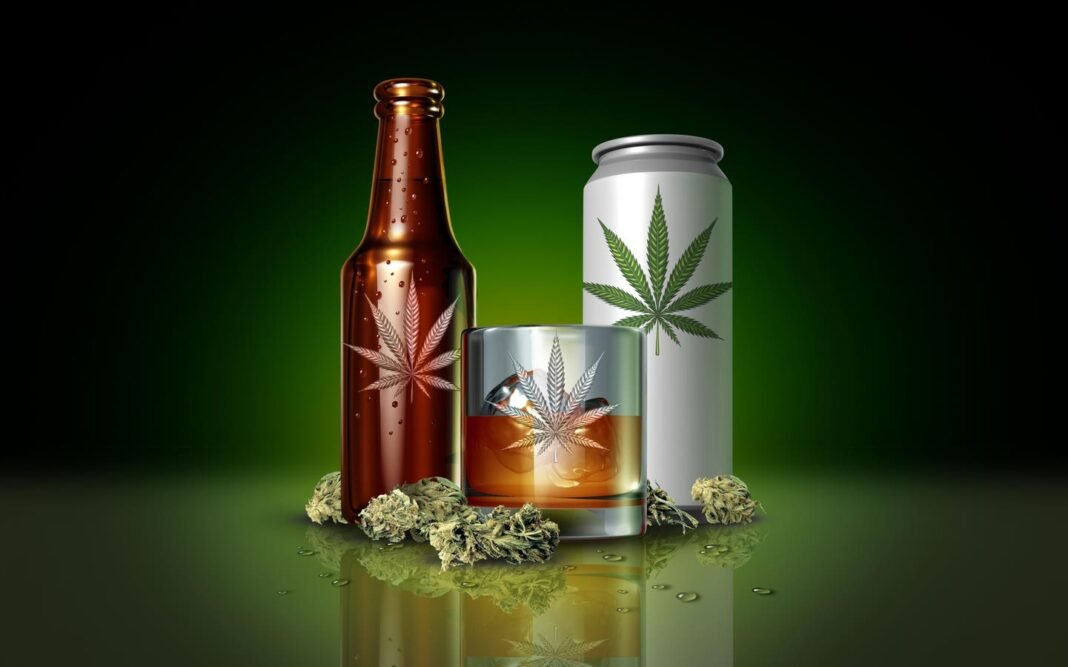
Federal Hemp THC Restrictions Jeopardize Expanding Market and Retail Presence
A recent amendment within the federal spending bill threatens to remove hemp-derived THC products from major retail outlets such as target, Circle K, and Total Wine. This legislative shift targets the burgeoning sector of intoxicating hemp goods, including popular edibles and beverages.
The Emergence of Hemp-Derived THC Products in the U.S. Market
The 2018 Farm Bill legalized hemp federally, defining it as cannabis varieties containing less than 0.3% delta-9 THC by dry weight. This legal distinction has enabled manufacturers to produce psychoactive products derived from hemp that mimic marijuana’s effects but remain lawful due to their plant origin.
This regulatory gap has allowed a thriving industry to develop outside traditional marijuana laws, with many states permitting sales where recreational cannabis remains prohibited. Notably, the market for THC-infused beverages alone surpassed $1.5 billion in 2023 as consumers increasingly seek alternatives to alcohol and conventional cannabis options.
Redefining “hemp”: A Legal Shift that Could End Intoxicating Products
The new amendment narrows the definition of “hemp” by banning synthetic cannabinoids-many intoxicating items are created by chemically converting CBD into delta-9 THC or other variants like Delta-8. It also caps total allowable THC per package at a mere 0.4 milligrams, whereas current products often contain anywhere from 5 mg up to over 1,000 mg per package; state-regulated dispensaries typically limit packages between 100 mg and 200 mg of THC.
This severe limitation would effectively outlaw most existing hemp-derived intoxicants nationwide after a one-year transition period expires.
Industry reactions: Insights From Leading Entrepreneurs and Executives
- Kentucky’s Cornbread Hemp: Co-founder Jim Higdon reports that his Louisville-based company specializing in CBD and THC gummies, tinctures, and seltzers grew revenue from $25 million last year to nearly $40 million this year. He warns that if these restrictions pass unchanged, it could spell disaster for many businesses dependent on these products.
“Nearly every product we offer risks classification as Schedule I narcotics,” Higdon states.
“We are mobilizing lobbying efforts focused on influential lawmakers such as House Energy & Commerce Committee Chair Brett Guthrie.” - Boris Jordan, CEO of Curaleaf: Leading one of America’s largest cannabis corporations with over $1.3 billion in annual sales across more than 150 dispensaries nationwide sees minimal impact on his business since their hemp segment generates under $5 million annually.
“While not endorsing the ban outright,” Jordan notes enforcement challenges against unregulated potent products flooding convenience stores disguised as legal hemp.
“Big Alcohol interests have pushed for restrictions aiming at squeezing out startups.” - Mitch McConnell’s Position: The senator who originally championed the Farm Bill now supports closing what he describes as a hazardous loophole enabling widespread intoxicating hemp sales amid rising poison control calls involving children under twelve in kentucky doubling over five years.
Navigating Regulatory Uncertainty: Industry Adaptations & Strategies
- justin Journay (Founder of 3Chi): This major cannabinoid producer offers diverse infused goods including gummies featuring delta-8-THC through HHC variants; projected revenues near $100 million this year but face potential shutdown if new rules take effect.
“Less than ten percent of our portfolio would comply,” Journay admits while considering pivoting toward fully regulated marijuana markets if necessary. - Angus Rittenburg (CEO/Co-founder Wynk & BestBev): The companies behind brands like cann and Brēz have seen revenues almost double-from $45 million last year to an expected $80 million this year.
“We’re capitalizing during this final window while advocating strongly for sensible legislation protecting adult-only retail channels.”
“The national focus on hemp during government debates provides hope that regulatory frameworks may evolve favorably before permanent bans take hold.”
Cultural Icons Embrace hemp Market Potential Amid Risks

Cautious Optimism Persists Despite regulatory Headwinds
Samantha lee , EVP at California-based Edible Innovations-a pioneer creating festive edible treats infused with legal cannabinoids-expresses guarded optimism:
“This isn’t merely a countdown clock; it represents an opportunity window for improved policy progress.”
“Setbacks don’t equate defeat-we’re intensifying advocacy efforts moving forward.”
Looming Enforcement Challenges And Intensified Lobbying Efforts
If enforcement proves inconsistent-as past experience suggests-the new restrictions may amount more to symbolic gestures rather than effective safeguards.
Boris Jordan emphasizes,
“without strong enforcement mechanisms backing these laws they risk becoming ineffective.”
Affected companies are spearheading lobbying campaigns aimed not only at repealing harsh provisions but also establishing clear regulations balancing consumer safety with innovation freedom across both traditional marijuana dispensaries alongside emerging industrial-scale Cannabis sativa L.-derived cannabinoid markets.
The High Stakes For Consumers And An Evolving industry landscape
- Tens of thousands of jobs linked directly or indirectly throughout production, distribution, and retail sectors face jeopardy-from small enterprises up through large corporations;
- Younger generations increasingly gravitate toward option recreational options beyond alcohol highlighting economic significance;
- Tightening definitions blur distinctions between federally protected agricultural crops versus controlled substances complicating compliance requirements;
- An estimated pre-ban annual growth rate exceeding two-thirds signals significant lost tax revenues impacting local/state budgets reliant on emerging cannabis economies;
- cultural shifts embracing wellness-focused cannabinoid consumption risk abrupt disruption potentially driving consumers back underground markets lacking quality controls or age verification safeguards;
THC-infused beverages , federal spending bill , Delta-8 , Cannabis sativa L., Total Wine , Circle K , Target