US-Supported Peace Plan Reflects Many Russian Demands in Ukraine Conflict
A newly surfaced 28-point peace proposal, crafted with significant US involvement, closely aligns with Russia’s conditions for resolving the ongoing conflict in Ukraine. This initiative calls for substantial concessions from Kyiv on territorial control and military capabilities, indicating a challenging diplomatic road ahead.
Core Provisions of the Peace proposal
The draft framework, reportedly developed with input from Russian representatives, suggests that Ukraine cede control over the remaining areas of eastern Donbas still under its authority. It also proposes reducing Ukraine’s armed forces by approximately 50% and restricting specific categories of weaponry. Additionally,the plan envisions a decrease in US military assistance to Kyiv.
Other notable points include granting official state language status to Russian within Ukraine and recognizing the Ukrainian branch of the Russian Orthodox Church as an authorized religious institution.
Diplomatic Interactions and Official Reactions
The peace outline was presented by a US envoy during talks held in Miami with Rustem Umerov, secretary of Ukraine’s National Security and Defense Council. Ukrainian officials privy to these discussions have criticized the proposal as heavily favoring Moscow’s interests and unacceptable without significant amendments.
Moscow has publicly denied any new peace initiatives despite ongoing interaction channels with Washington. A spokesperson for Russia’s Foreign Ministry emphasized that credible updates should come through formal diplomatic routes rather than media speculation.
“There are established mechanisms between our countries for discussing these matters,” stated the spokesperson,“and no new information has been received from American counterparts.”
The Situation on the Ground Amid Continued Fighting
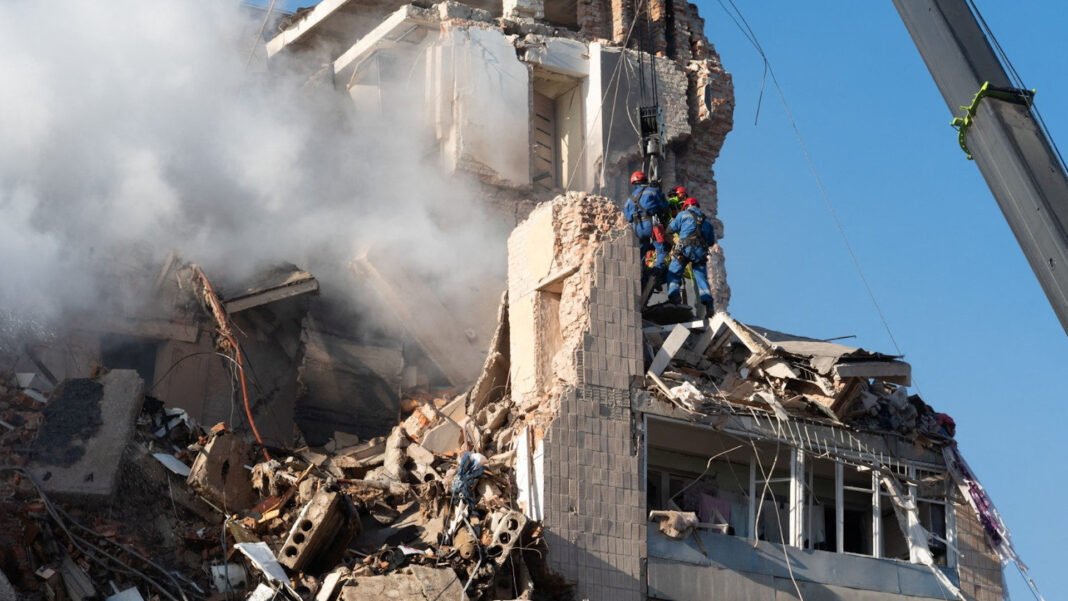
This development coincides with intensified clashes across eastern Ukraine where government forces face setbacks amid persistent drone attacks and missile strikes. Recent assaults have caused at least 25 deaths along with numerous injuries across multiple urban centers despite widespread international condemnation.

Zelenskyy Emphasizes Need for Unified Global Leadership
President Volodymyr Zelenskyy highlighted that coordinated international efforts are crucial to ending hostilities and achieving sustainable peace. He stressed that continued strong leadership from the United States remains indispensable throughout this process:
“Ending violence depends on united action among all allies while preserving robust US leadership.”
Prisoner Exchanges Mark Limited Diplomatic Progress
No direct negotiations between Moscow and Kyiv have taken place since their unsuccessful talks in Istanbul last July; however, prisoner-of-war exchanges continue via third-party mediation involving Turkiye and the United Arab Emirates.
Zelenskyy recently expressed cautious optimism about resuming such swaps following consultations led by Rustem Umerov:
“We remain hopeful about restarting prisoner exchanges soon,” Zelenskyy said after meetings facilitated by Turkiye’s President Recep Tayyip erdogan.
The Mediating Role of Turkiye in Dialog Efforts
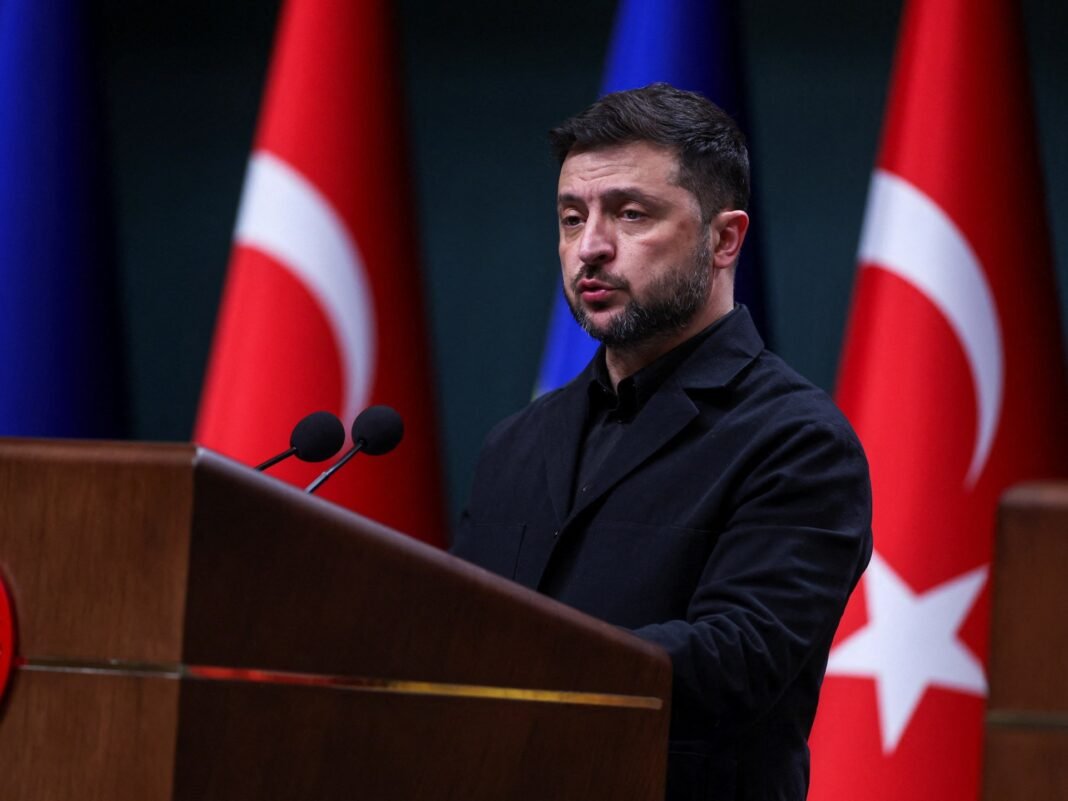
Zelenskyy’s visit to Ankara included discussions focused on renewing commitment toward pragmatic negotiations under what is known as “the Istanbul process.” President Erdogan called upon both parties-and global stakeholders-to adopt constructive approaches aimed at ending regional violence:
“We expect all parties invested in peace to support ongoing dialogue through Istanbul,” Erdogan declared during joint remarks alongside Zelenskyy.
Navigating a Tough road Toward Lasting Peace
- The proposed terms demand major compromises from Ukraine concerning territorial sovereignty and military downsizing;
- Moscow denies any fresh peace proposals beyond existing diplomatic channels;
- Diplomatic progress continues mainly through indirect means such as prisoner swaps mediated by neutral nations;
- The conflict persists unabated despite repeated calls for ceasefire-underscoring urgent need for effective negotiation frameworks aligned with realities on ground;
- Sustained international cooperation remains essential if durable resolution is ever achieved amid shifting geopolitical dynamics worldwide-including recent escalations seen elsewhere like tensions over Taiwan or Middle East conflicts impacting global stability;
- According to recent data from conflict monitoring organizations, civilian casualties have increased by nearly 15% over six months highlighting urgency behind peaceful solutions supported by extensive diplomacy efforts worldwide.