Blue Jeans: A Timeless symbol from Hard Labor to Worldwide Fashion Phenomenon
The Birth of Denim Innovation in the American Frontier
In the waning days of the California Gold Rush, a miner’s wife faced a recurring problem: her husband’s denim pants kept tearing under pressure. To address this, tailor Jacob Davis devised a clever solution by reinforcing vulnerable areas like pocket corners and fly bases with copper rivets, considerably strengthening the fabric against wear and tear.
This straightforward yet groundbreaking enhancement ignited a transformation in apparel. Davis’ riveted trousers rapidly gained traction, setting the stage for blue jeans-a garment that not only revolutionized clothing but also became an enduring emblem of American identity worldwide.
“Denim has democratized fashion across America,” notes Shawn Grain Carter from New York’s Fashion Institute of Technology. “Regardless of social standing or political views, denim is universally embraced as an icon rooted in Western heritage.”
The Collaboration That Launched Mass Production
Jacob Davis’ innovation required broader distribution beyond his local reach. Facing surging demand for his “waist overalls,” he partnered with Levi Strauss, a Bavarian immigrant who supplied him with denim fabric through his wholesale dry goods business.
Together on May 20, 1873, they secured a patent for their riveted workwear design and soon opened their first manufacturing facility near present-day San Francisco’s financial district. This partnership marked Levi Strauss & Co.’s shift from wholesaling to producing some of the moast durable jeans tailored for miners, ranchers, farmers, and laborers nationwide.
Transitioning From Durable Workwear to Casual Apparel
Originally crafted solely for physically demanding jobs requiring tough garments, jeans began evolving during the early 1900s into more varied styles. competitors introduced designs such as spring-bottom pants-more fitted options aimed at supervisors rather than manual workers.
A pivotal moment arrived in 1934 when Levi’s debuted its first women’s jean collection. around this period denim also gained popularity among vacationers frequenting dude ranches or engaging in outdoor pursuits like horseback riding and hiking-transforming blue jeans into casual resort attire beyond mere utility wear.
Dude Ranch Tourism Boosts Denim’s Leisure Appeal
The expansion of automobile travel allowed Americans greater access to domestic leisure destinations during times when international travel was limited by global conflicts. Marketing campaigns promoted denim as authentic western riding gear ideal for dude ranch holidays-helping cement its dual identity as both practical workwear and stylish casual clothing.
The Postwar Era: Denim Becomes Everyday Wear
After World War II rationing restricted materials such as rubber and sugar-and citizens were encouraged to economize-the postwar economic boom unleashed widespread consumer spending across industries including fashion.
“With more disposable income came increased demand for pleasant clothes suited to backyard gatherings or weekend excursions,” explains fashion historian Sonya Abrego. Jeans evolved into versatile staples embraced by men and women far beyond traditional labor settings.
Cultural Shifts Propel Jeans Into Schools and Pop Culture
A strategic push by manufacturers helped normalize wearing jeans even within academic environments-a move designed to expand their appeal across all age groups.
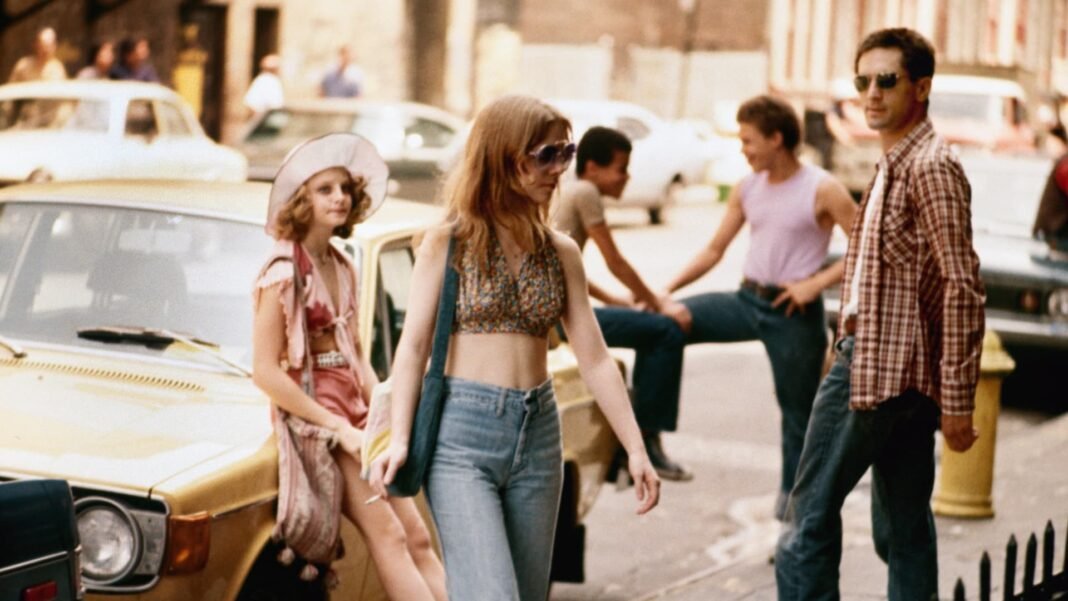
By the 1960s diverse cuts-from slim fits to flared legs-and colors flooded retail shelves while blue jeans became synonymous with countercultural movements like hippies; they also featured prominently on Hollywood screens.
The following decade saw iconic bell bottoms rise alongside designer brands such as Calvin Klein redefining denim aesthetics far removed from rugged origins.
A $101 Billion Global Industry Driving Modern Style Trends
The worldwide market value of denim recently soared past $101 billion-a striking 28% growth as 2020-demonstrating its resilience amid shifting economic landscapes.
Leading companies including American Eagle Outfitters and Levi Strauss fiercely compete using celebrity endorsements from figures like Sydney Sweeney and Beyoncé to attract consumers seeking both style flexibility and cultural significance through their wardrobe choices today.
An Enduring Design Legacy Over One-and-a-Half Centuries Old
“Few garments have maintained relevance so consistently over nearly 150 years,” says Abrego reflecting on how despite evolving washes, fits,and finishes,blue jeans remain instantly recognizable around the globe-even after all these decades.”