New York pioneers AI Safety wiht landmark Legislation
New York has emerged as the second U.S. state to implement comprehensive AI safety regulations by enacting the RAISE Act, a law aimed at boosting openness and accountability among leading artificial intelligence developers.
Core Elements of the RAISE Act
this legislation requires major AI companies to disclose extensive information about their safety protocols and mandates reporting any safety incidents within 72 hours to designated state authorities. to ensure compliance, New York will create a specialized office within its Department of Financial services dedicated to overseeing AI development and regulatory adherence.
Organizations failing to meet these reporting standards or submitting false data face steep penalties: initial violations can incur fines up to $1 million, escalating to $3 million for repeated offenses.
The Rise of State-Level AI Regulation
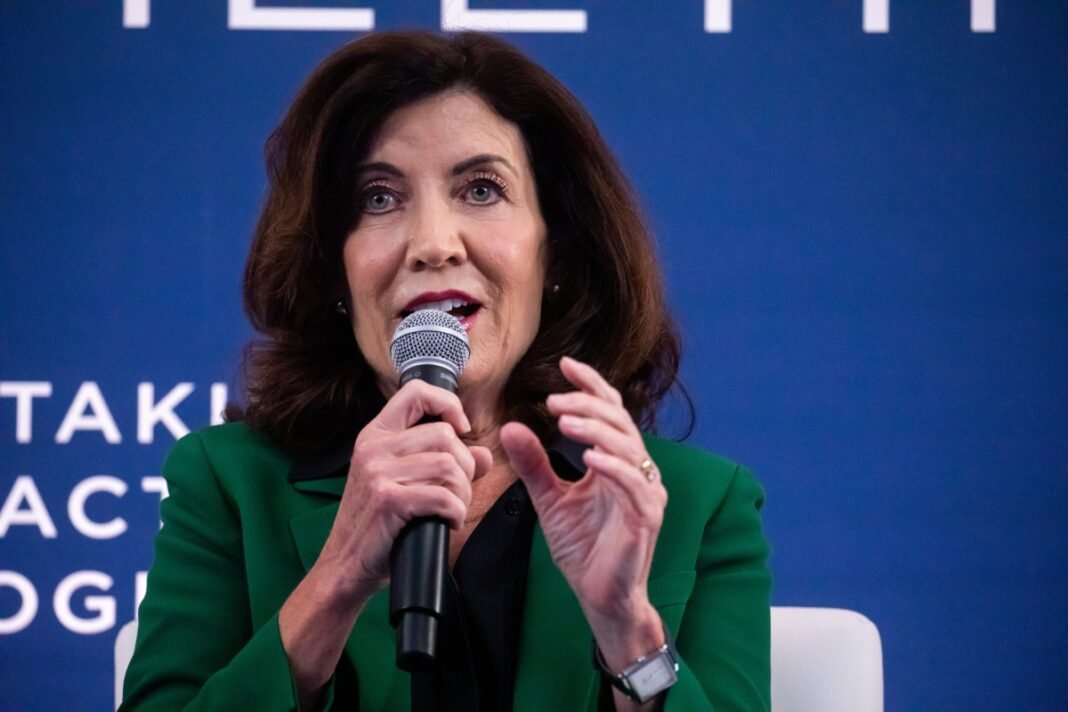
The RAISE Act follows California’s earlier introduction of similar rules this year. Governor Kathy Hochul emphasized that New York’s approach complements California’s framework, fostering consistent standards across key technology hubs amid limited federal regulation.
“By building on California’s recent framework,this legislation sets a national benchmark for responsible AI governance while Washington lags behind,” Hochul declared during the bill signing.
Perspectives from Legislators and Industry Leaders
State Senator Andrew Gounardes, a chief advocate for the bill, highlighted resistance from tech giants: “Despite attempts by Big Tech to block our progress, we succeeded in passing America’s strongest AI safety law.”
The measure also received guarded endorsement from prominent firms like OpenAI and Anthropic. Sarah Heck of Anthropic noted that having two influential states adopt transparency mandates underscores an urgent need for cohesive federal regulation nationwide.
Tensions Between State Initiatives and Federal Policies
The surge in state-level laws such as New York’s has sparked opposition. A super PAC backed by Andreessen Horowitz partners alongside OpenAI executives is actively campaigning against lawmakers supporting these regulations.Assemblyman alex Bores reported facing direct political pressure but remains steadfast in promoting safe AI policies.
this conflict intensifies amid federal actions initiated under former President Donald Trump’s management. A recent executive order directs agencies to challenge state-imposed restrictions on artificial intelligence technologies-an effort championed by Trump-appointed “AI czar” David Sacks-which critics warn could create legal confusion for startups navigating conflicting jurisdictional rules.
The National Debate Over Uniform Regulation
- The executive order seeks regulatory uniformity but risks hindering innovation due to potential legal disputes over authority between states and federal government;
- Industry experts caution that inconsistent policies may weaken U.S. competitiveness as other nations accelerate their own frameworks around emerging technologies like generative AI;
- A growing consensus calls for balanced laws that protect public interests without stifling technological advancement or entrepreneurial flexibility;
anticipating future Trends in Artificial Intelligence Governance
Laws like new York’s RAISE Act signal an evolving era where states proactively shape ethical guidelines governing artificial intelligence deployment worldwide. With global investments in generative AI expected to surge over 65% annually through 2026 according to market forecasts, responsible innovation is more vital than ever before.
“The push toward transparent reporting reflects society’s demand that advanced technologies operate safely while delivering tangible benefits,” says an self-reliant policy analyst specializing in digital ethics.

A Broadening Conversation Among Stakeholders
- Civic leaders urge greater public involvement regarding algorithmic impacts-from machine learning models improving healthcare diagnostics affecting millions annually,to autonomous vehicle trials expanding rapidly across metropolitan areas nationwide;
- Technology companies advocate collaboration with regulators yet warn against overly restrictive measures limiting innovation;
- lawsuits challenging jurisdictional boundaries between state sovereignty versus federal oversight are anticipated soon following enforcement under new statutes;
- This dynamic habitat highlights why coordinated policymaking remains crucial amid accelerating technological change globally;
Navigating Innovation While Ensuring Safety
A sustainable path forward demands balancing incentives for creativity alongside stringent safeguards addressing risks inherent in complex systems such as advanced neural networks powering today’s most complex applications.
“Effective regulation must neither suppress ingenuity nor overlook dangers; it should build trust through openness,” a renowned expert on technology ethics explains.

Synthesizing Progress: Shaping Tomorrow’s Technological Landscape
The adoption of New York’s RAISE Act marks a critical milestone reflecting widespread acknowledgment that protecting society from potential harms posed by unchecked artificial intelligence development requires decisive legislative action now rather than later.
This groundbreaking statute not only imposes clear responsibilities on developers but also encourages other jurisdictions-including Congress-to pursue unified national standards ensuring safe advancement across sectors transformed by digital innovations.
If implemented effectively alongside complementary efforts elsewhere,these initiatives promise enhanced protections without undermining America’s leadership at technology frontiers-ultimately benefiting consumers, innovators, and policymakers alike..