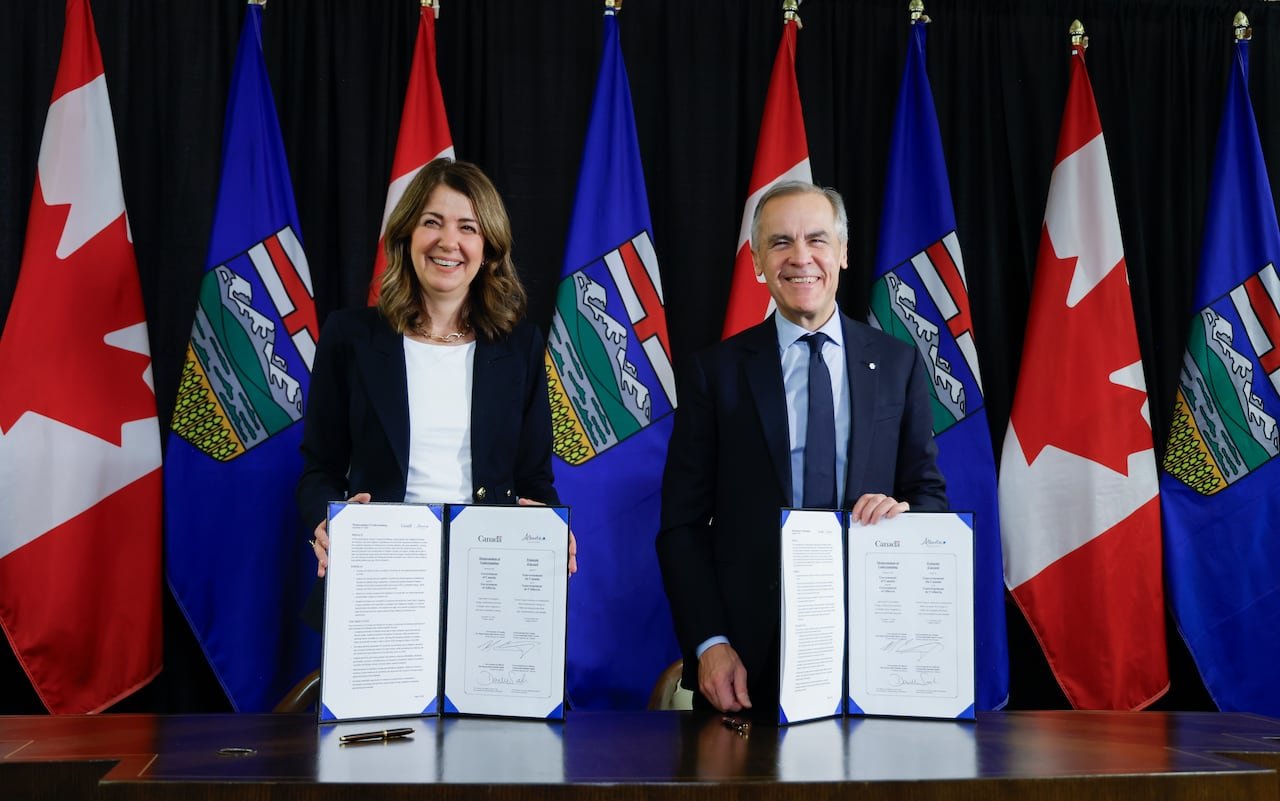
Albertans Express Doubt Over New Pipeline Despite Government Agreement
In the wake of a widely publicized memorandum of understanding (MOU) signed between Prime Minister Mark Carney and Alberta Premier Danielle Smith, public trust in the pipeline project’s success remains notably low. A recent survey conducted by Janet Brown Opinion Research for CBC News indicates that a majority of Albertans are skeptical about whether this agreement will actually lead to the construction of a new pipeline.
Widespread Skepticism Clouds Public Outlook
The poll, which surveyed 1,200 Albertans from April 7 to April 22, found that 57% of participants have little or no confidence that the MOU will culminate in an operational pipeline. only 37% expressed moderate to strong confidence in its future, while 6% were undecided.The margin of error for this survey stands at ±2.8 percentage points.
This prevailing doubt is understandable given Alberta’s history with pipeline projects encountering repeated obstacles over recent decades. Projects such as Northern Gateway and Energy East were canceled after prolonged delays, while Keystone XL has faced ongoing uncertainty amid shifting political landscapes.
Challenges Embedded Within Pipeline advancement Efforts
Industry analysts point out several hurdles embedded within the MOU’s framework. Jackie Forrest, executive director at ARC energy Research Institute, explains that “the agreement includes numerous stringent conditions necessary for advancing a west coast bitumen pipeline.” The initial deadline to finalize key arrangements passed on April 1 without resolution; attention now shifts toward July 1 when Alberta must submit its formal submission to Ottawa’s Major Projects Office.
The continuous postponements have contributed to what Al Salazar from Enverus describes as “pipeline optimism fatigue,” reflecting widespread frustration after years marked by failed proposals and political roadblocks.
Economic Factors Bolster Buisness Case Amid Uncertainty
Despite lingering doubts among many residents, rising global fuel prices combined with tightening oil supplies have enhanced economic incentives for investing in such infrastructure projects. Salazar highlights significant financial opportunities alongside potential political leverage if stakeholders can successfully navigate regulatory complexities and environmental concerns.
diverse Opinions Across Alberta’s Demographics
The poll also reveals how demographic factors shape attitudes toward both the MOU and Premier Smith’s approach toward federal relations:
- Optimism Among Nationalists: Respondents who identify strongly with Canadian national identity or admire Carney tend to show greater confidence in pipeline prospects;
- Skepticism Within Smith supporters: Even some loyalists remain doubtful about whether her confrontational stance with Ottawa will produce tangible results regarding pipelines;
- Cynicism Linked To Separatist Sentiments: A portion appears resigned-or even hopeful-that failure might validate arguments favoring Alberta’s separation from canada due to perceived federal obstructionism;
The Political Divide deepens Opinion Gaps
John Santos from Janet Brown Opinion Research notes sharp partisan splits: supporters of United Conservative Party policies are more inclined both to back smith’s efforts at resetting provincial-federal relations and maintain hope about pipelines; simultaneously occurring opposition groups remain largely skeptical or critical across thes issues alike.
Evolving Attitudes Toward Provincial-Federal Relations Reset Attempts
A slim majority (56%) approve premier Danielle Smith’s attempts at repairing ties with Ottawa-a figure consistent with previous years-while roughly one-third disapprove. however, enthusiasm has softened somewhat: strong approval ratings dropped nine percentage points compared with last year whereas moderate approval increased by eleven points correspondingly.
“the mixed reactions surrounding this MOU mirror broader frustrations but also cautious optimism closely tied into political identities,” explains Santos.
Navigating Upcoming Milestones Amid lingering Uncertainty
- The July 1 Deadline: Alberta must file its official application for the proposed bitumen pipeline project-a pivotal step determining whether momentum can shift beyond rhetoric into concrete progress;
- Tackling regulatory Complexities: Federal approvals remain challenging due partly to environmental concerns and Indigenous consultations essential under current legislation;
- Dynamics Of Global Energy Markets: geopolitical tensions continue reshaping oil supply chains worldwide-impacting market conditions relevant for infrastructure investments;
- Cultivating Public Trust And Engagement: Rebuilding faith requires clear communication addressing past disappointments while setting realistic expectations moving forward;
A global Perspective: Lessons From International Pipeline Projects
Pipelines around the world face similar challenges balancing economic benefits against environmental protection and community interests-for example, Norway recently expanded Arctic gas export facilities following extensive stakeholder engagement despite initial opposition; simultaneously occurring Australia continues navigating Indigenous land rights disputes affecting resource transport initiatives along its eastern seaboard.
“Prosperous infrastructure development increasingly depends not only on engineering expertise but also securing social license,” industry experts observe.